





Sheet Metal Brackets
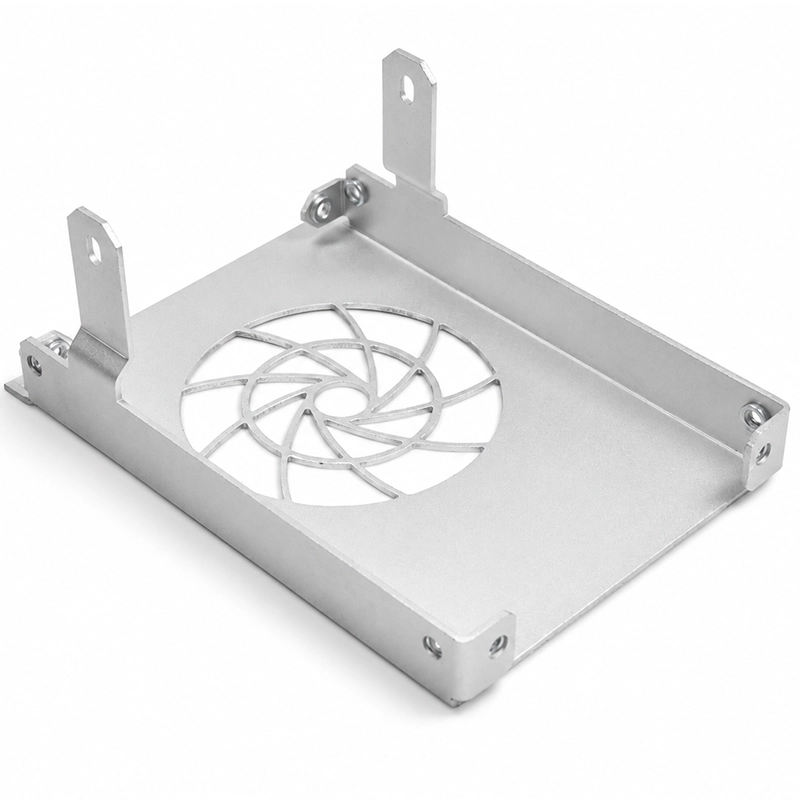
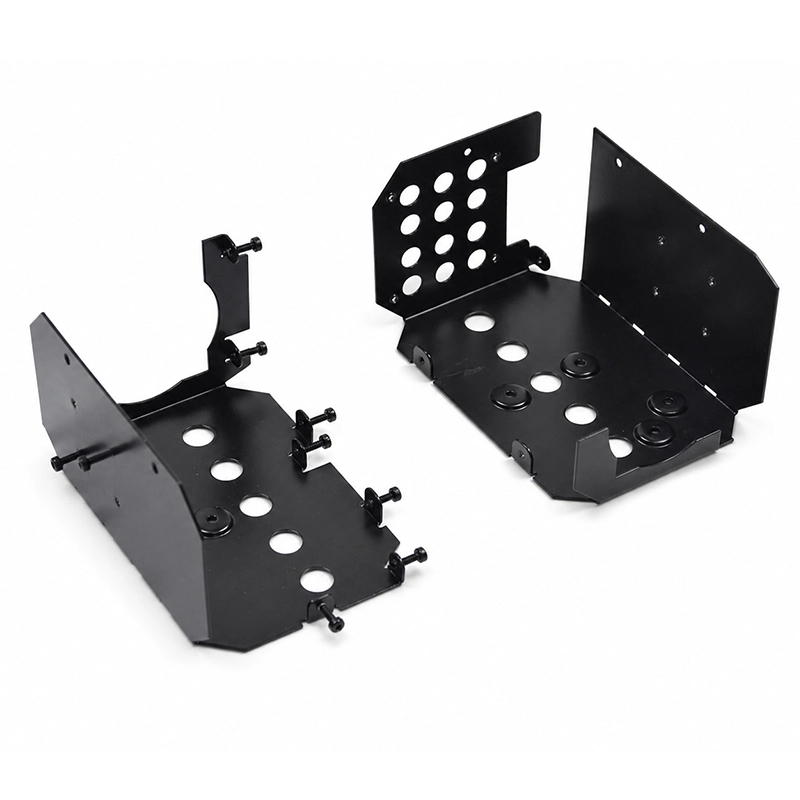
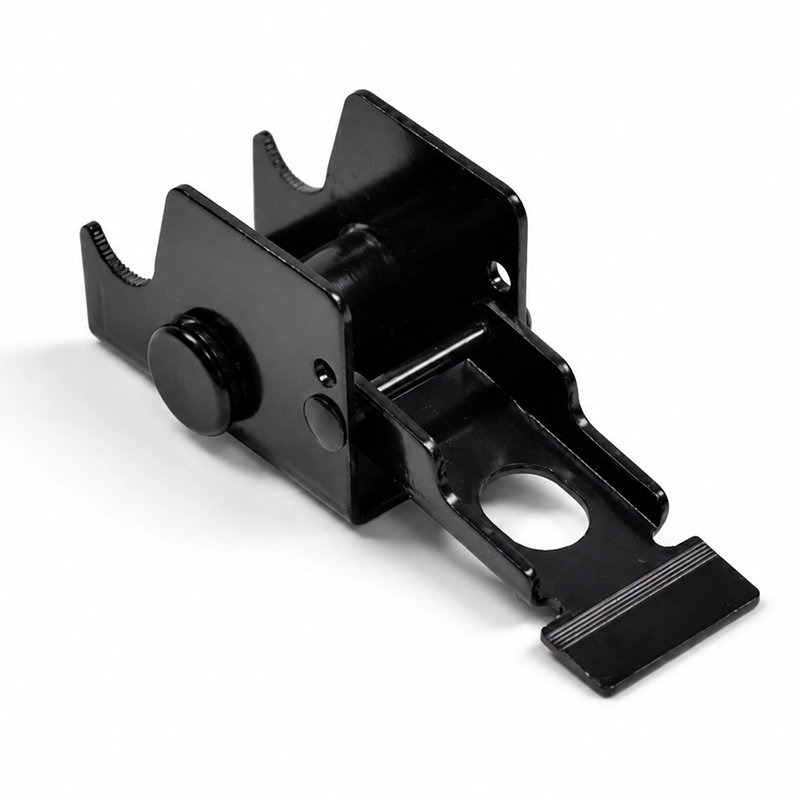
Custom brackets may use L-shaped, U-shaped, Z-shaped, or more involved profiles, with cutouts and fastening holes positioned around the assembly. Laser cutting, punching, bending, tapping, and joining operations provide ways to develop the necessary details. These components are relevant to machinery, electronic equipment, and industrial structures where the bracket must bridge surfaces or support hardware at designated locations.
Quick Info:
- Sheet Thickness: 1.0–5.0 mm
- Processing Tolerance: ±0.20 mm
- Lead Time: 7–15 working days
- Processing Technology: Laser Cutting, CNC Punching, CNC Bending, Drilling, Tapping, Welding
- Material: SPCC Carbon Steel, Q235 Steel, SUS304 Stainless Steel, Aluminum 5052
- Custom Size: 20–500 mm typical part size
- Production Scale: Prototype / small batch / mass production up to 50,000 pcs
- Bend Radius: Typically 1.0T–2.0T depending on material

Get Free Quote


Detailed Description
Offset mounting planes create practical challenges around motors, sensors and control cabinets. Custom sheet metal brackets bridge those planes through bends that establish the required height and orientation while retaining accessible fastening points. L-shaped pieces support perpendicular connections; U-shaped channels surround an attachment area; Z-shaped forms accommodate a stepped offset.
Slots allow small positional adjustments during equipment installation, while countersunk holes keep selected fastener heads below the face. Additional bends can stiffen the support arm or create a locating lip for neighbouring hardware. Sheet fabrication gives the bracket its three-dimensional layout without a machined solid block.
Available Surface Finishes
- Black Powder Coating: Durable corrosion-resistant surface commonly used for machinery and equipment mounting brackets.
- Zinc Plating: Provides corrosion resistance for steel brackets while maintaining dimensional stability.
- Anodizing: Suitable for lightweight aluminum brackets requiring corrosion and appearance improvement.
- Electropolishing / Brushing: Available for stainless steel brackets requiring improved surface cleanliness or appearance.
Finish appearance becomes more noticeable on brackets installed beside exposed equipment panels. Coated steel and anodized aluminum provide different visual and surface characteristics while retaining the same formed connection layout.
Structural & Functional Breakdown
- L/U/Z-shaped Mounting Structure: Standard bracket geometries provide efficient connection between perpendicular or offset components.
- Reinforced Rib Structure: Embossed ribs and formed sections increase stiffness without significantly increasing material thickness.
- Precision Mounting Hole Structure: Round holes, slots and threaded mounting positions can be accurately located for assembly.
- Multi-flange Support Structure: Multiple bending surfaces provide increased rigidity and improved load distribution.
Folded edges and ribs support load paths between attachment faces. Carefully located holes keep installation tools accessible even where the bracket occupies a narrow cabinet corner.
Key Machining Highlights
- Wide Thickness Processing Range: Supports approximately 1.0–5.0 mm sheet thickness for light mounting to stronger structural brackets.
- Controlled Bend Geometry: Typical ±1° bend angle tolerance helps maintain installation alignment.
- Secondary Machining Integration: Drilling, tapping, countersinking, riveting and welding can be completed within one fabrication workflow.
- Custom Mounting Design: Hole spacing, slot length, bend angle and bracket dimensions can be manufactured directly from customer drawings.
Multi-flange profiles combine support and mounting in one piece, avoiding a stack of small angle brackets. Riveted or welded joints remain available for larger assembled supports.
Application Fields
- Industrial Equipment Mounting Brackets
- Electronic Component Supports
- Machine Frame Connection Parts
- Automotive Mounting Hardware
- Control Cabinet Internal Brackets
Control cabinets use compact brackets to carry relays, cable guides and electronics away from the enclosure wall. Machine frames use stronger formed arms for sensors or actuator accessories positioned beside moving assemblies.
Custom sheet metal brackets can present both a fixed mounting face and an adjustable slotted face. That combination makes the part useful wherever nearby equipment requires a consistent connection but limited installation clearance.

Frequently Asked Questions
-
What is the difference between L, U and Z brackets?

-
L forms join perpendicular surfaces, U profiles create channel-like support, and Z bends connect planes at different offsets.
-
Can mounting slots be included beside round holes?
-
Elongated and round openings can share the same bracket and serve adjustment or fixed fastening positions.
-
How do formed ribs affect thin brackets?
-
Embossed ribs add local stiffness across selected spans without using a separate reinforcing plate.
-
Can bends and threaded features appear on one component?
-
CNC bending and subsequent tapping or insertion operations can create both formed supports and threaded fixing points.
-
What finishes suit visible equipment brackets?
-
Black powder coating, zinc plating, anodizing and brushed or electropolished finishes are represented.
-
Where are sheet metal brackets used in electronics?
-
Control cabinets, electronic component supports and equipment frames often use thin formed mounting hardware.
-
What makes a sheet-metal bracket different from a milled bracket?
-
Formed sheet creates support through bends and flanges, while a milled bracket starts from thicker stock with machined surfaces and pockets.


