



Sheet Metal Fabrication Services
Precision Sheet Metal Fabrication for Prototypes and Production Parts
Custom sheet metal fabrication services for functional prototypes, low-volume production, and end-use components. TOP Prototype helps engineers convert CAD designs into accurately cut, formed, welded, and finished metal parts ready for testing, assembly, and real-world use.
Key Capabilities
- Precision Fabrication: Selected features can be controlled to tight tolerances after material, thickness, geometry, and process review.
- Integrated Manufacturing: Laser cutting, punching, bending, rolling, welding, finishing, and secondary machining can be coordinated within one project.
- Flexible Production: Support for one-off prototypes, design verification parts, bridge production, and multi-variant low-volume orders.

Request a Quote
Explore Our Capabilities
Core Sheet Metal Fabrication Capabilities
Our sheet metal fabrication services cover the essential processes required to turn flat metal sheets into functional components and complete assemblies. Each project begins with a manufacturability review to evaluate bend geometry, hole positions, material behavior, joining requirements, tolerances, and finishing.
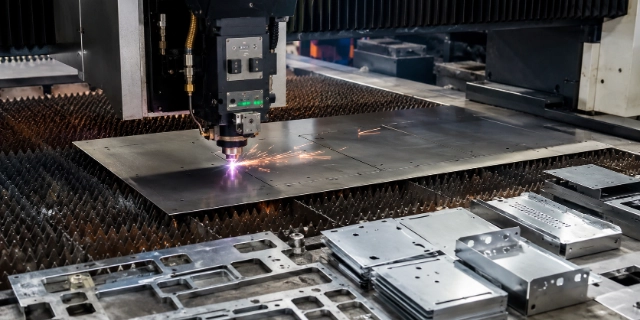
Laser Cutting
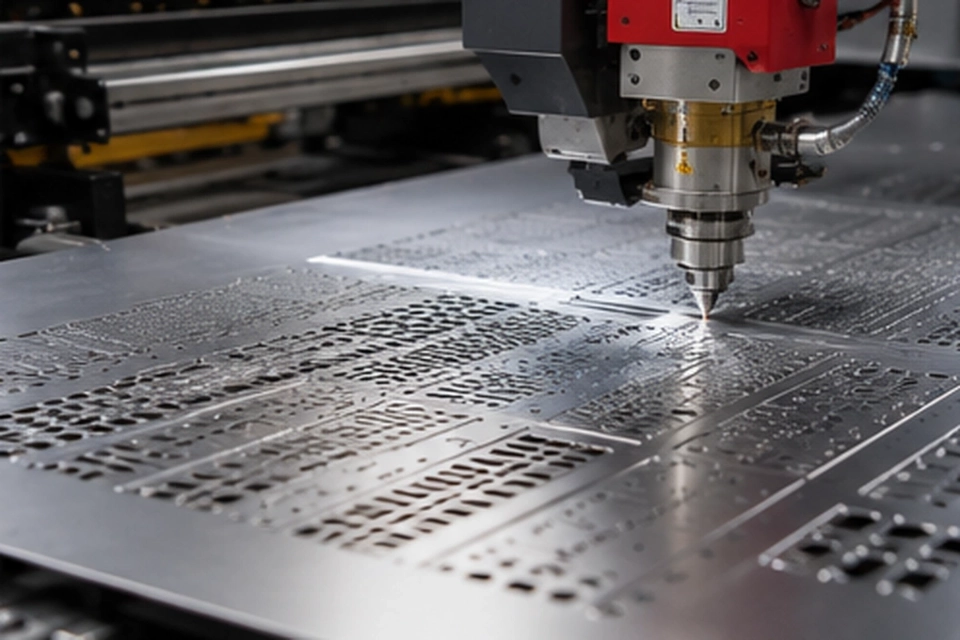
Precision laser cutting for panels, brackets, covers, enclosures, and complex flat profiles with clean edges and consistent dimensions.
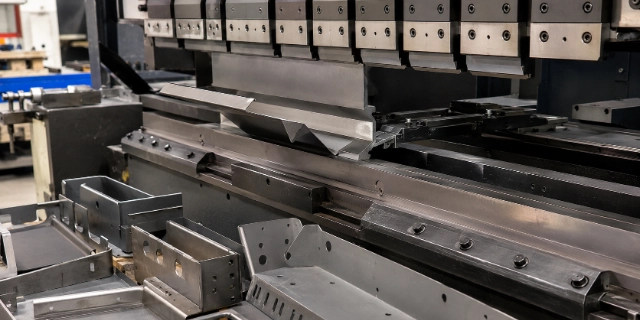
Sheet Metal Bending
Controlled bending and forming for flanges, channels, boxes, chassis, and multi-bend components with reliable angles and assembly fit.
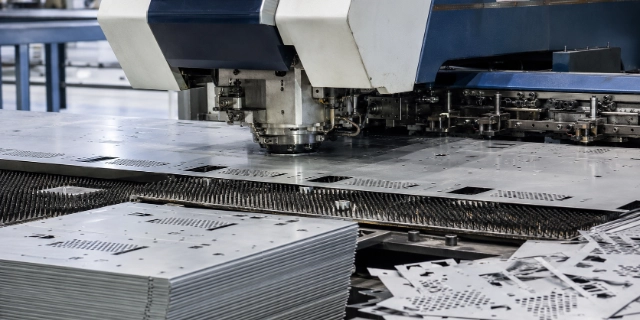
Punching and Stamping
Efficient punching and stamping for holes, slots, ventilation patterns, embossed features, and repeatable sheet metal parts.
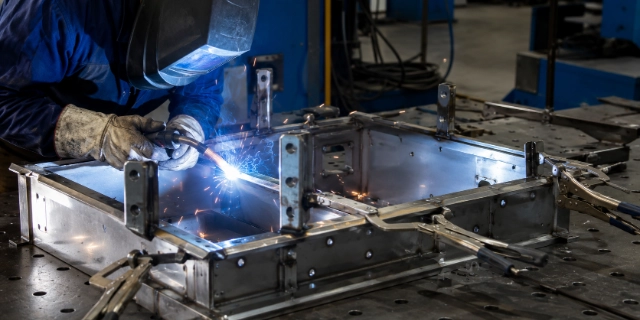
Welding and Assembly
Professional welding and assembly for frames, enclosures, housings, and multi-component structures, with attention to strength and distortion control.
Parts We Fabricate Every Day
Our sheet metal fabrication capabilities extend beyond the examples below. Share your CAD files or drawings to receive engineering feedback on material selection, bend feasibility, tolerances, joining methods, and finishing before production begins.
Request a Quote
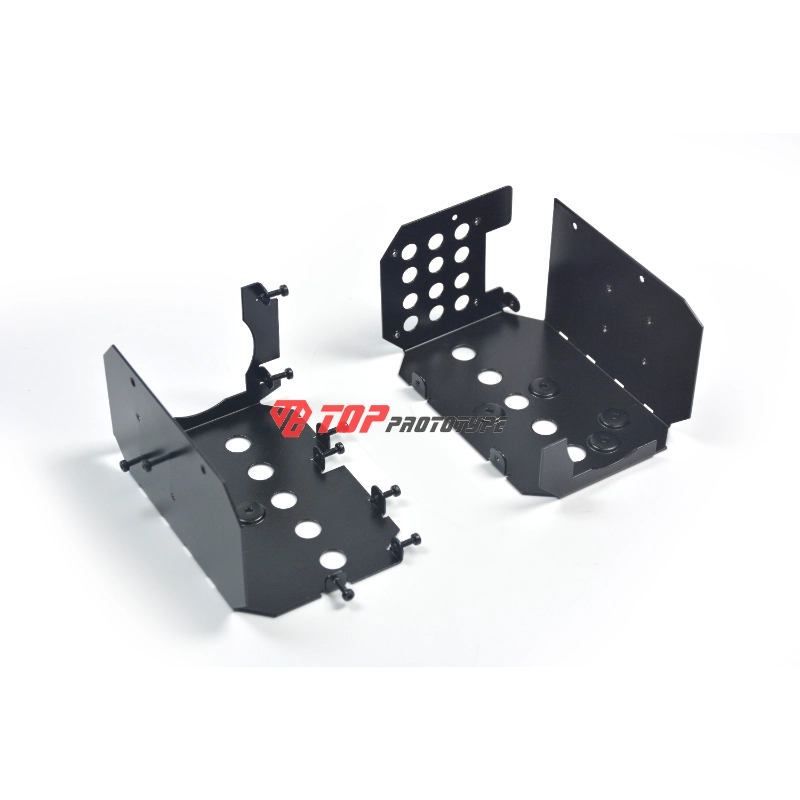
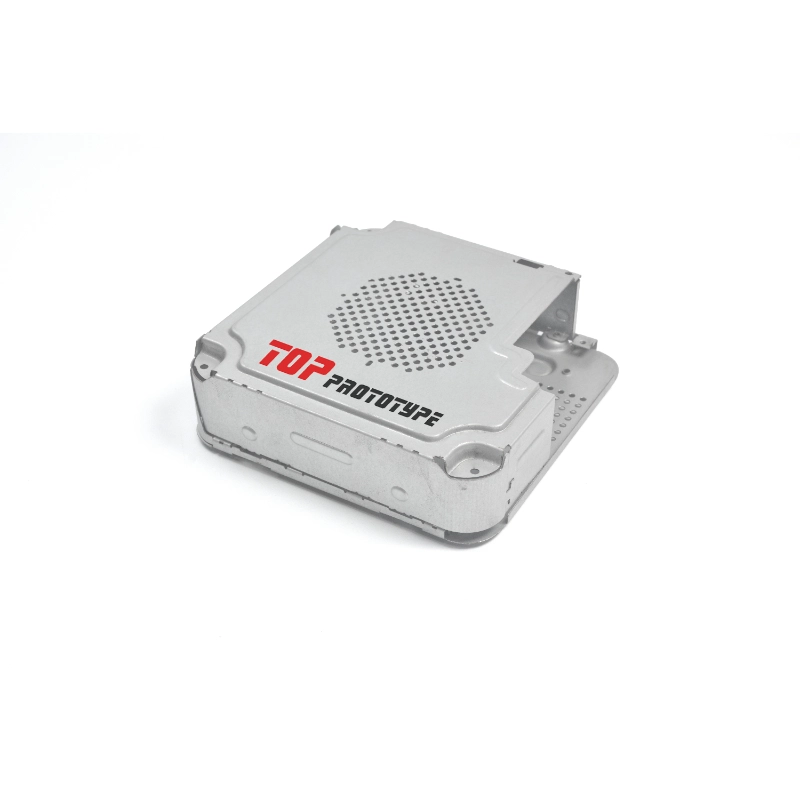
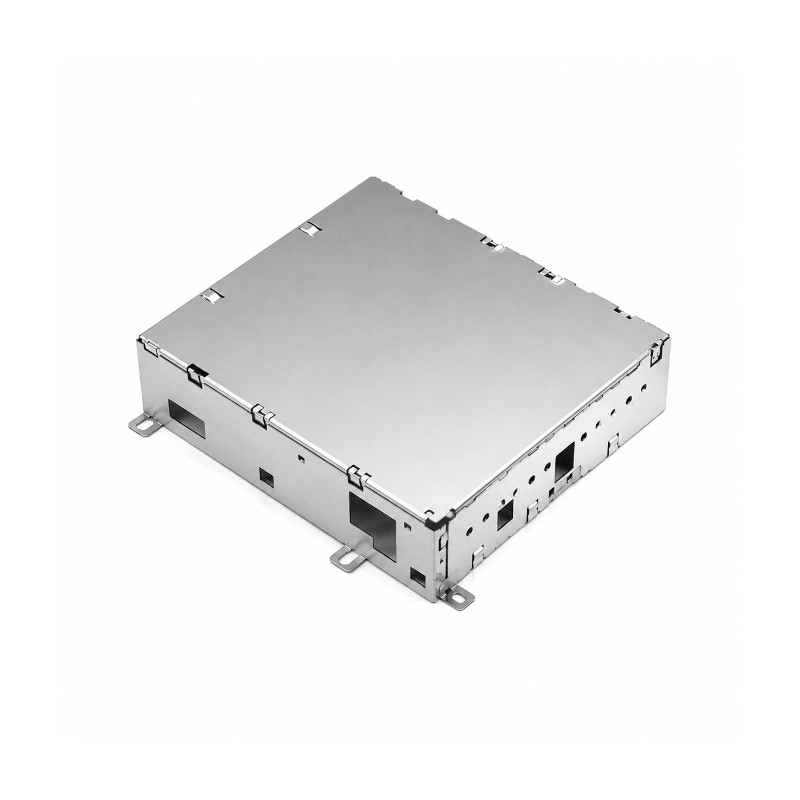
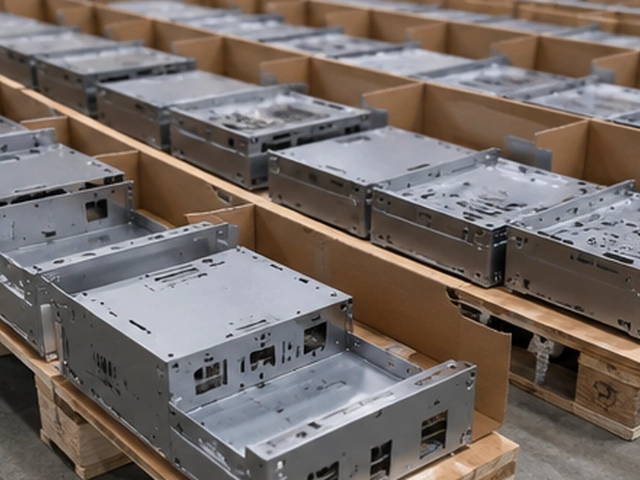
EMI Shield Housings
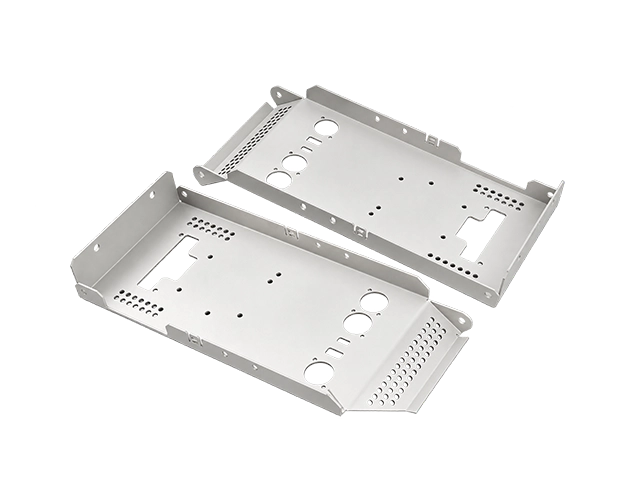
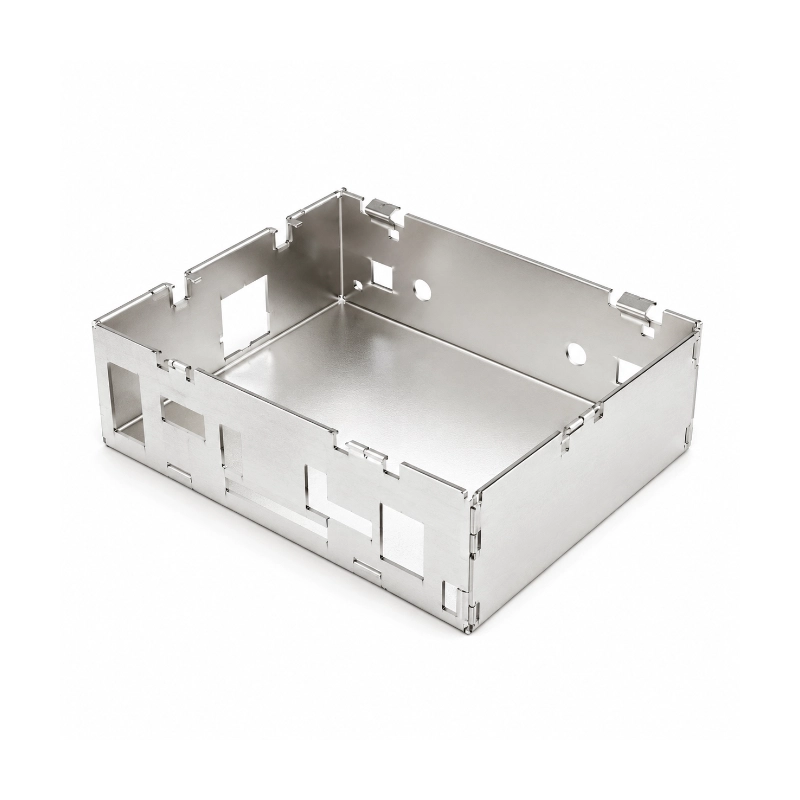
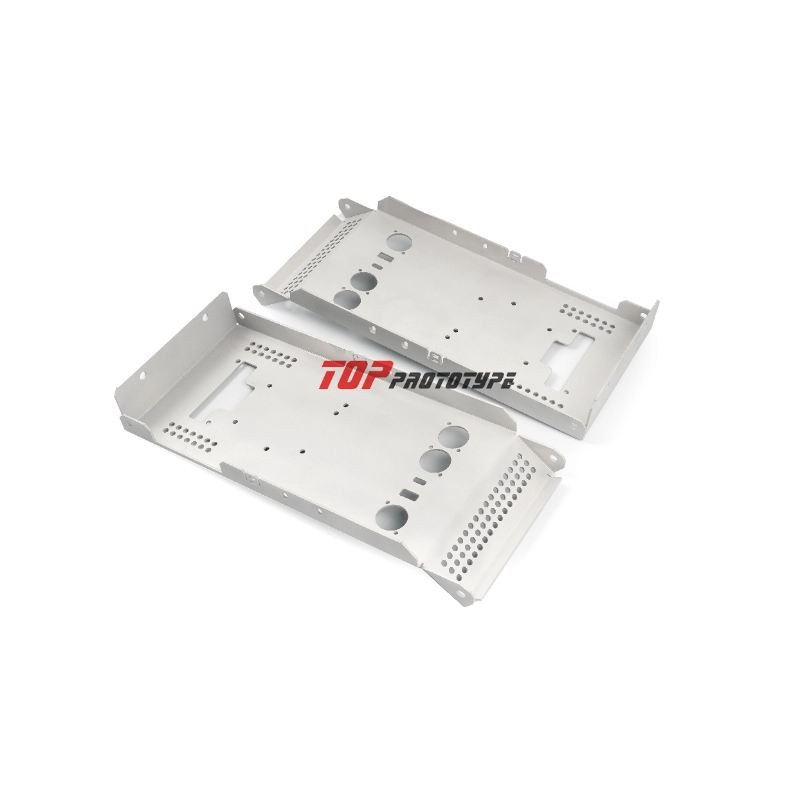
These split snap-fit enclosures feature positioning dimples, ventilation cutouts, assembly clasps and grounding contacts; they block electromagnetic interference to safeguard circuit boards, RF chips and power modules, widely used for routers, industrial controllers, automotive electronics and medical testing circuit assemblies.

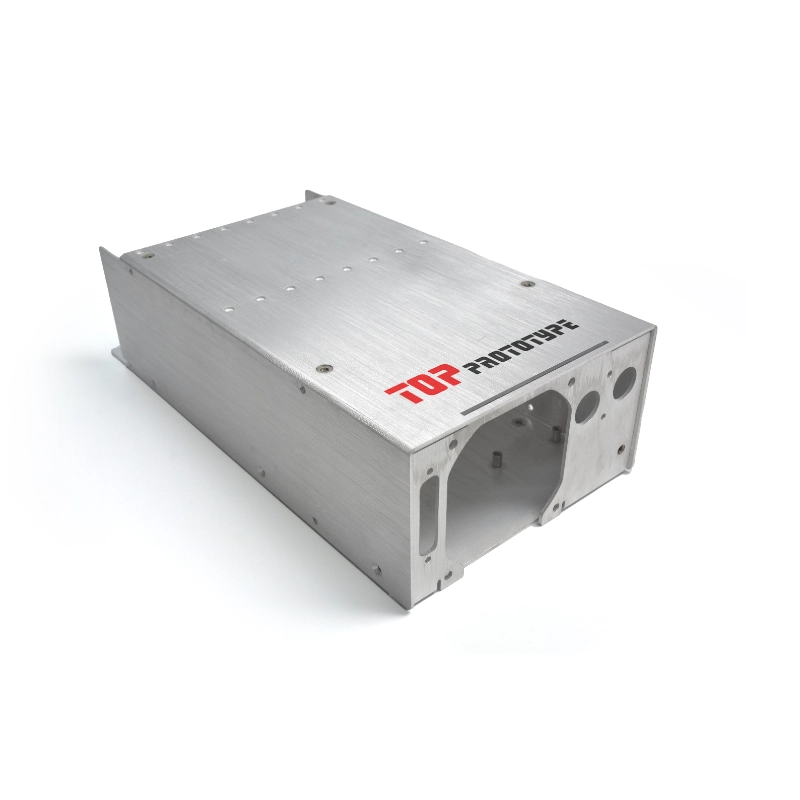
Thermal Dissipation Equipment Enclosures
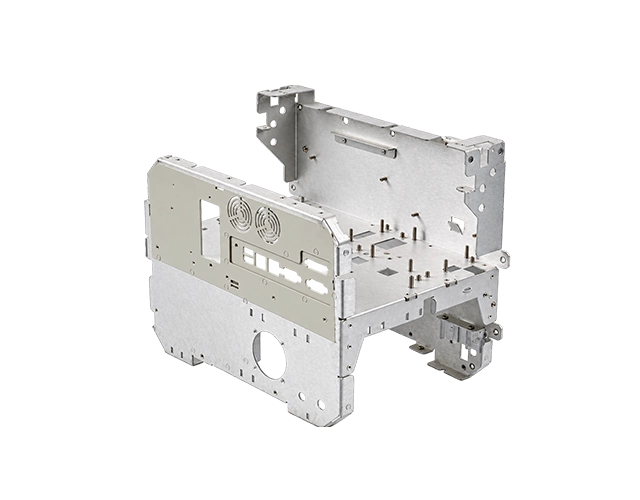
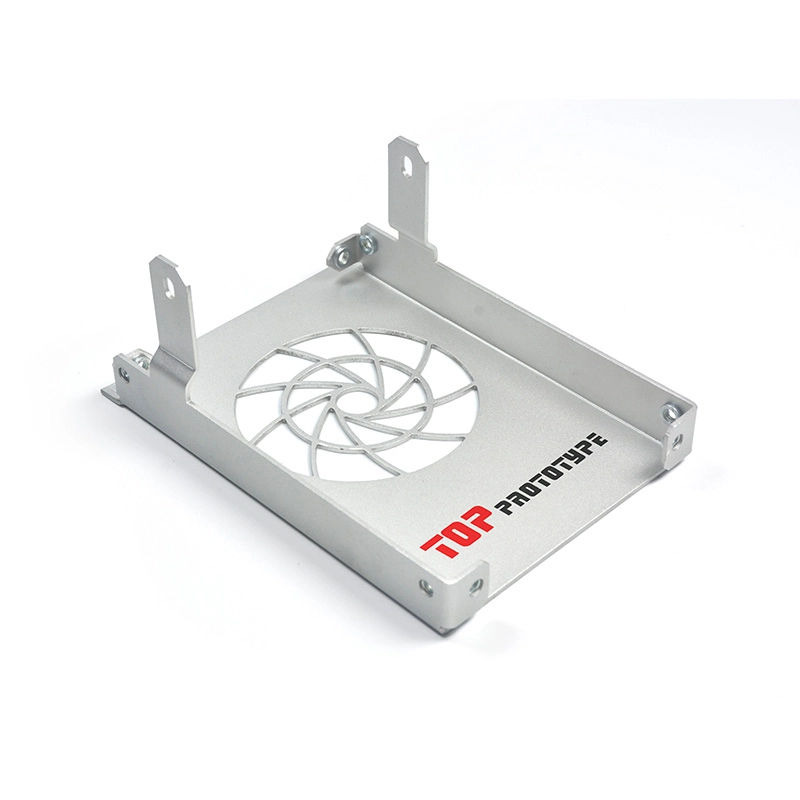
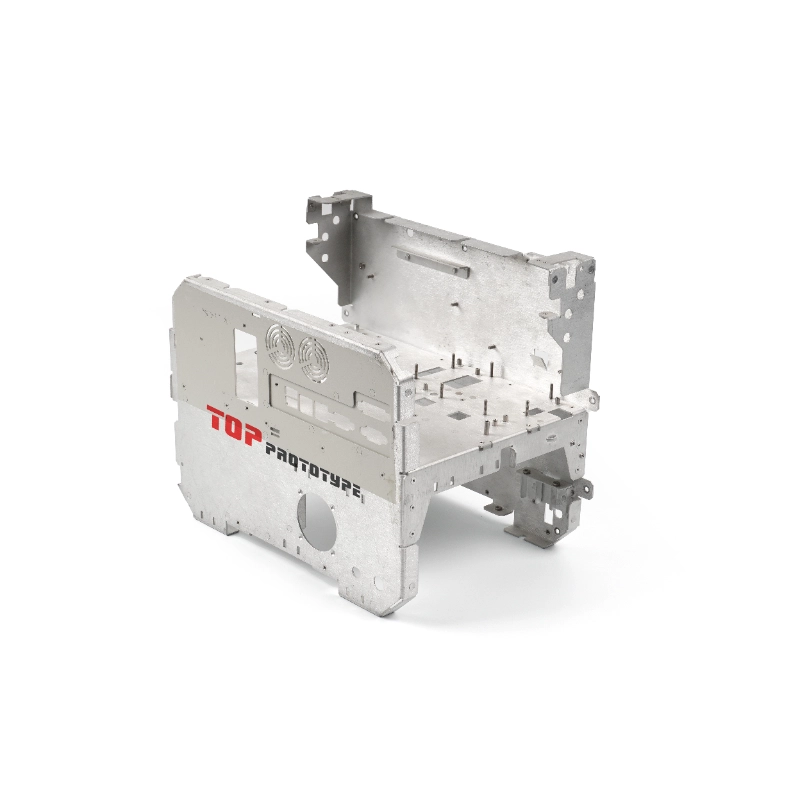
Fabricated as integrated bent aluminum casings pre-equipped with fan cutouts, grille vents and mounting lugs, these high-conductivity aluminum structures hold internal electronic components and accelerate heat dispersion, ideal for server modules, industrial power units, optical communication gear and embedded gateways.
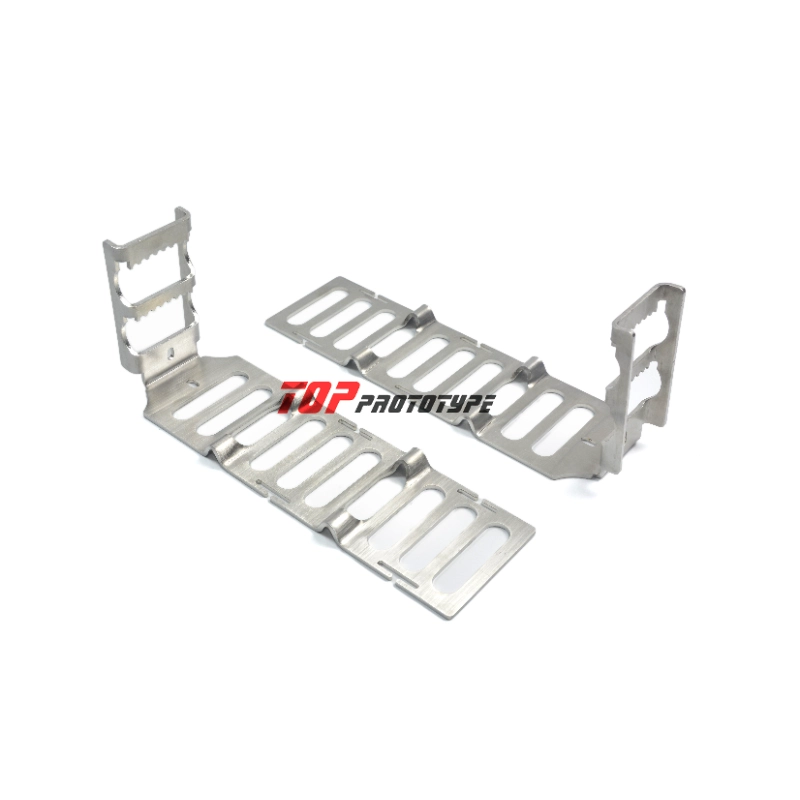
Mounting Brackets & Support Frames
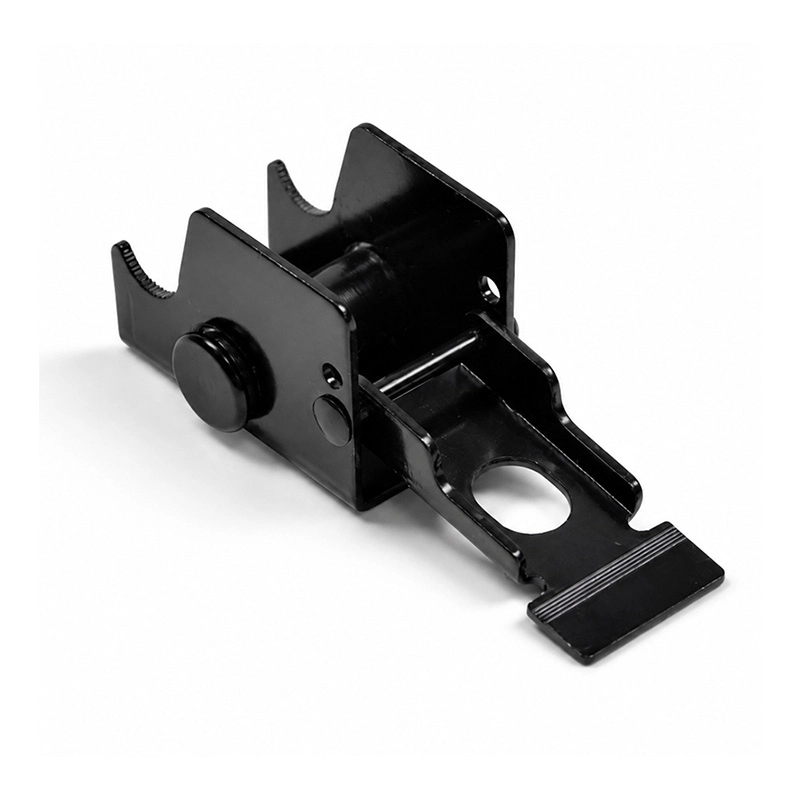
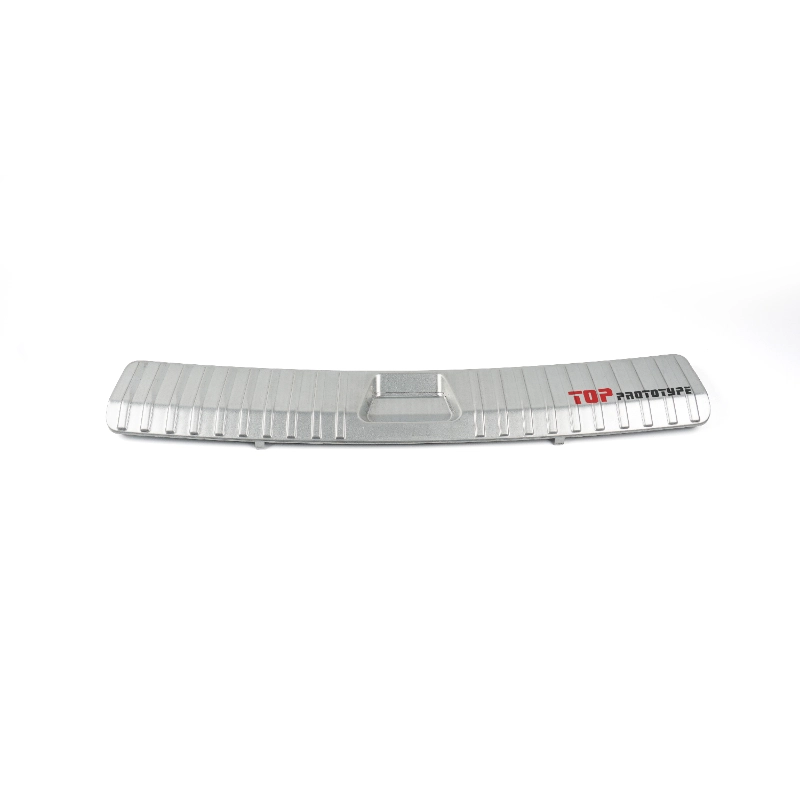
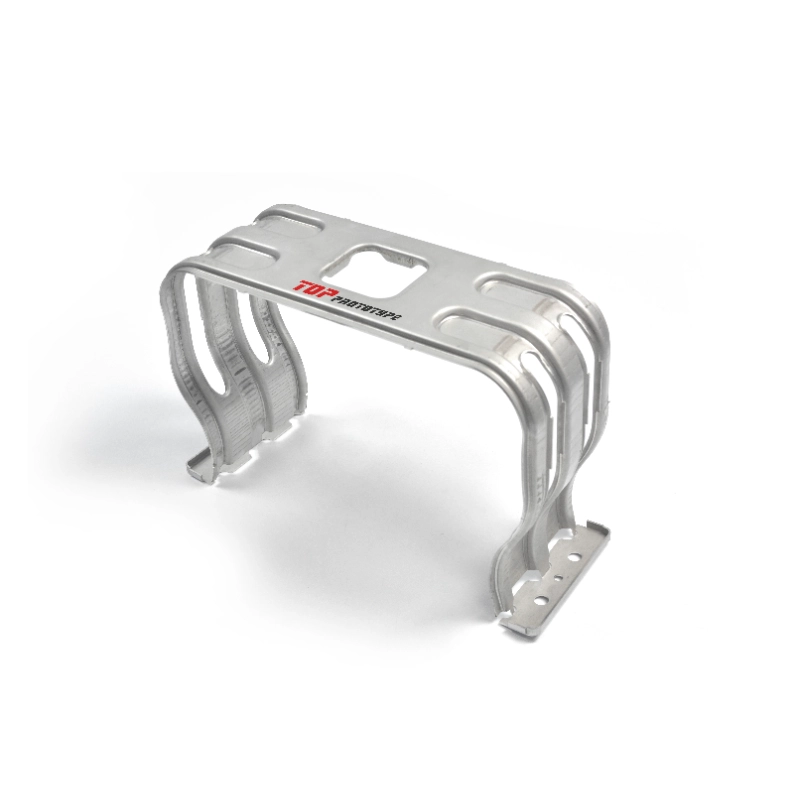
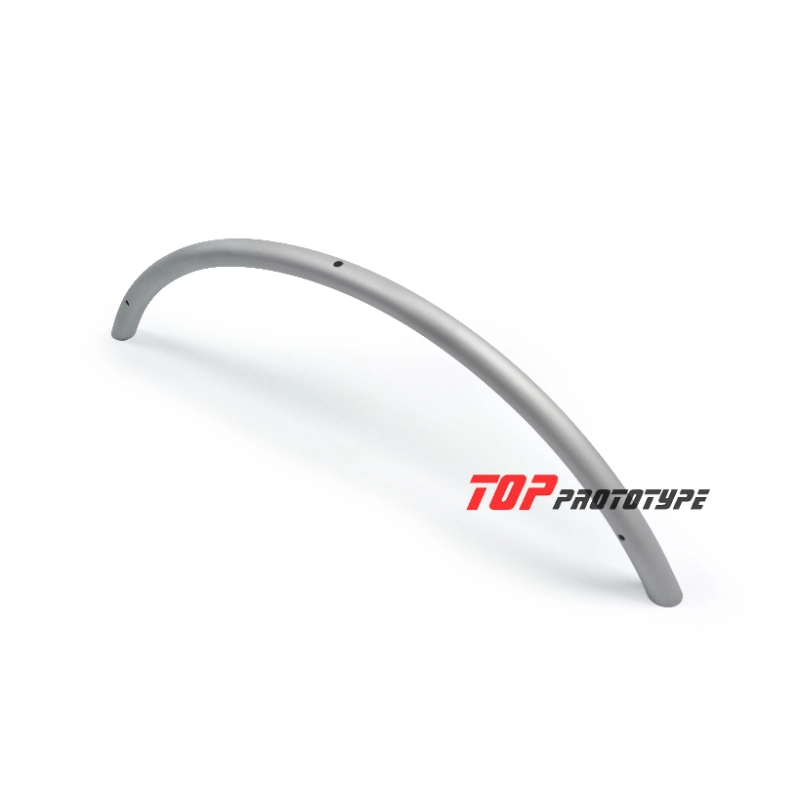
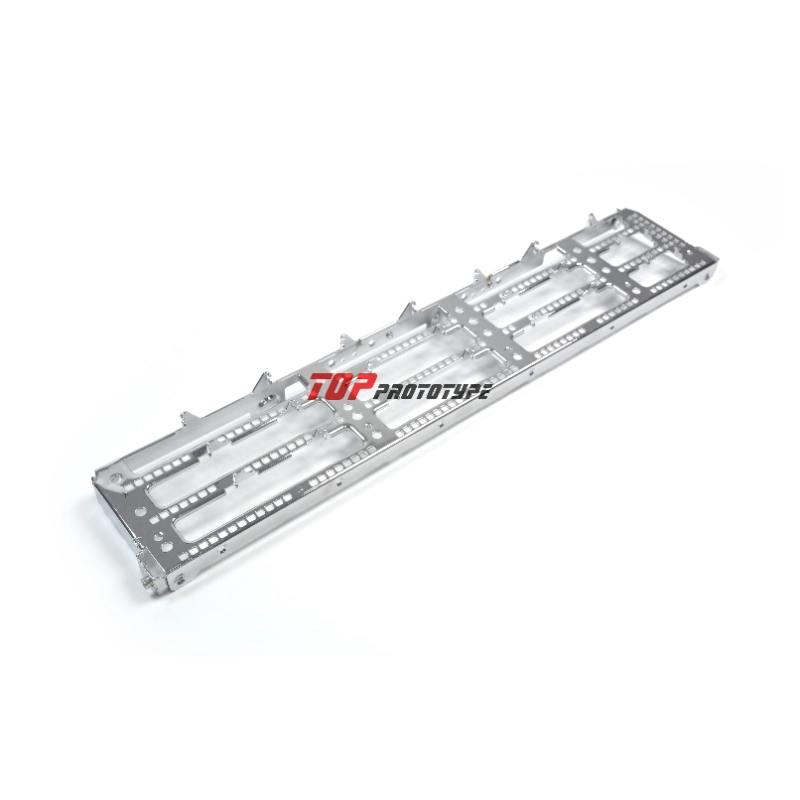
Crafted into U-shaped, arched and grid multi-bend profiles with pre-drilled mounting holes and positioning slots, these sturdy support structures lock internal hardware modules, fix display panels and mount devices within cabinets, serving server hard drive trays, display brackets, on-board vehicle fixtures and printer internal supports.
Base Plates & Chassis Panels
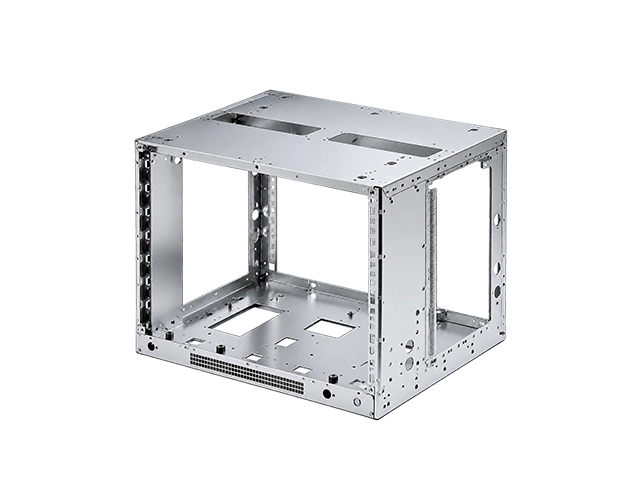
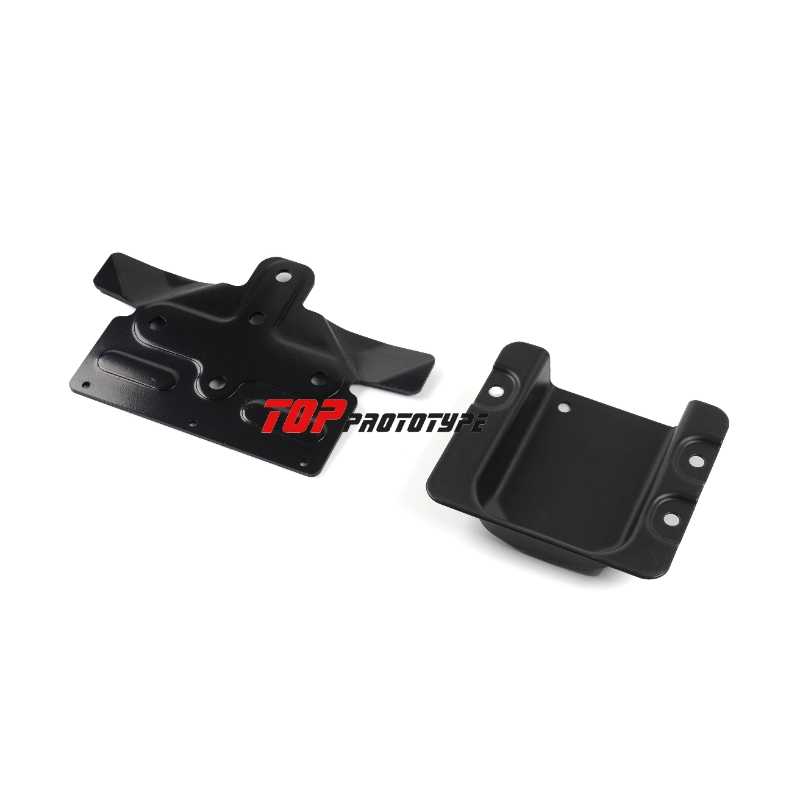
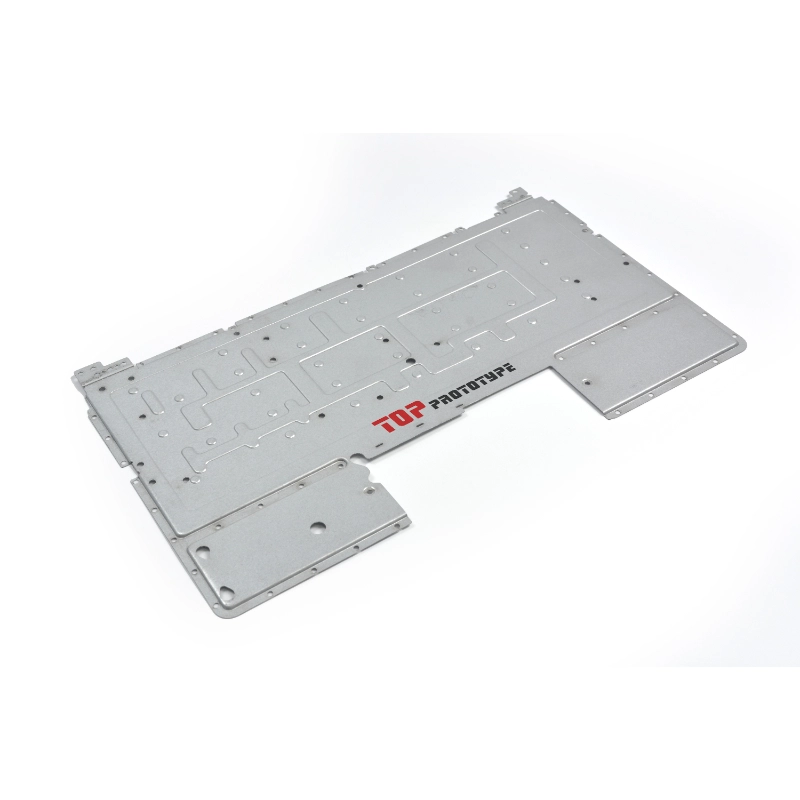
Designed as large flat sheets fitted with press studs and bent side edges, alongside extended integrated rack frames, these load-bearing panels form primary chassis bases, top and bottom protective covers for rack-mounted equipment, suited for 19-inch network cabinets, industrial automation controllers, data storage hardware and medical instrument backplates.
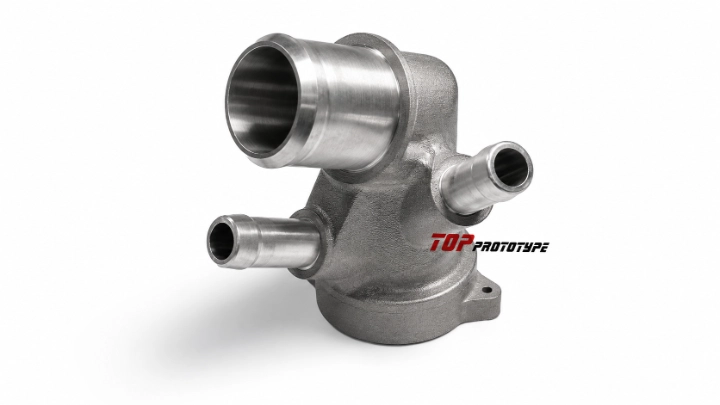
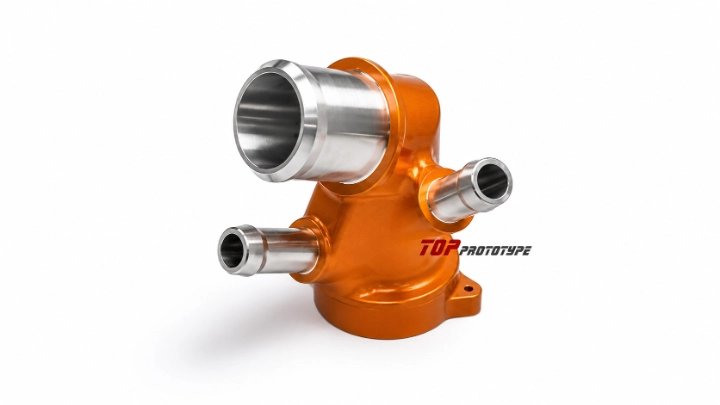
Sheet Metal Surface Finishing Options
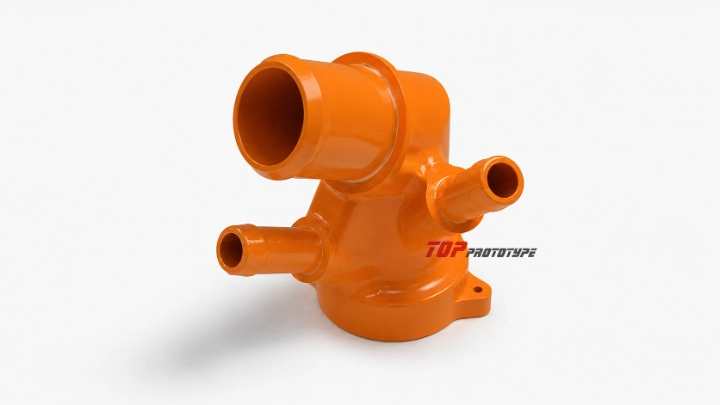
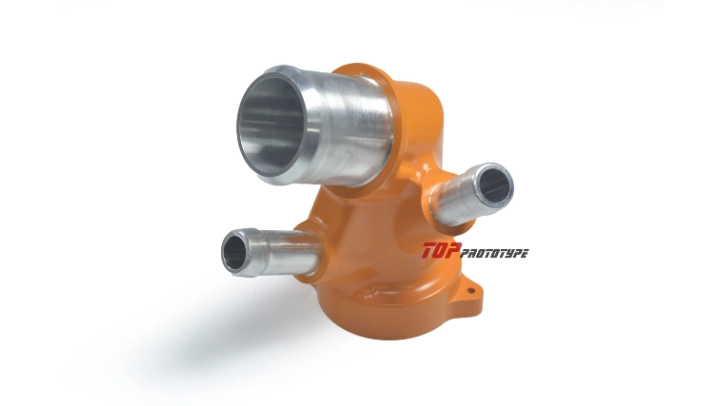
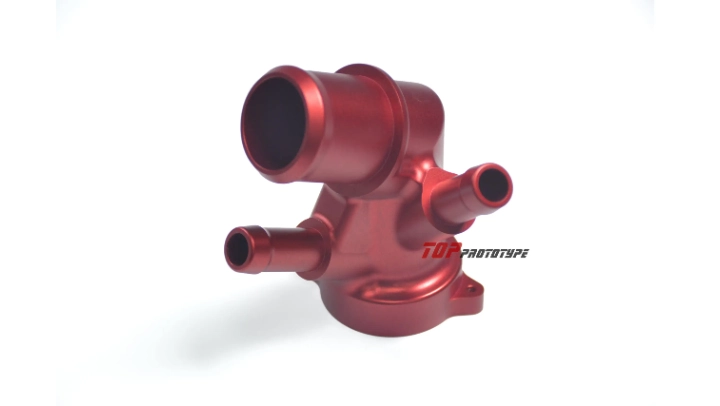
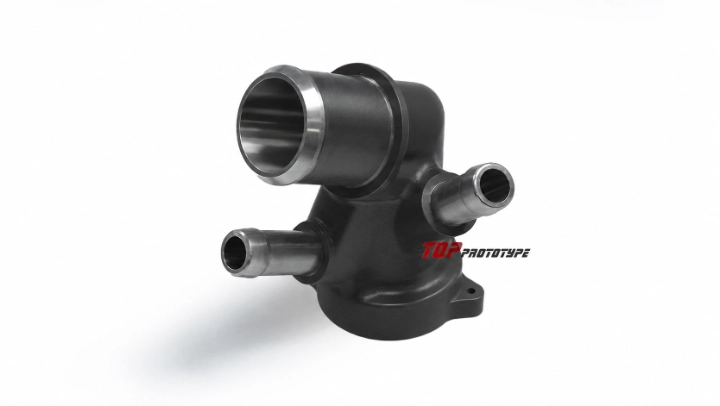
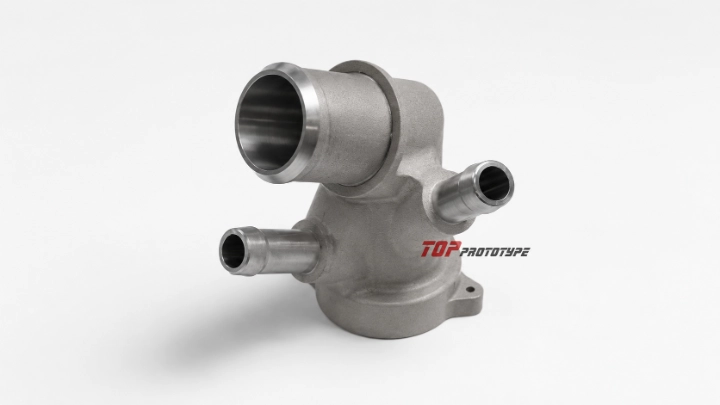
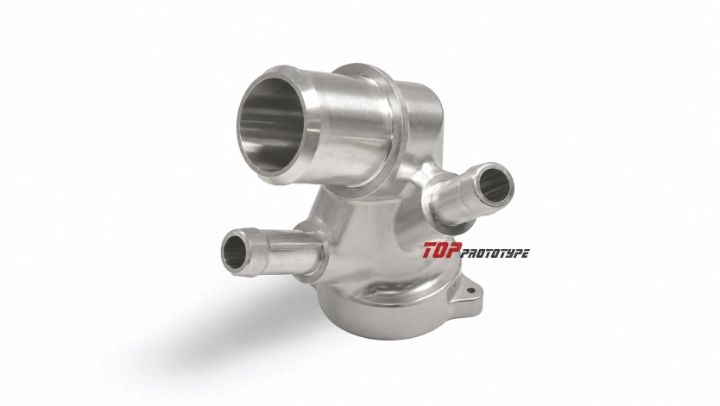
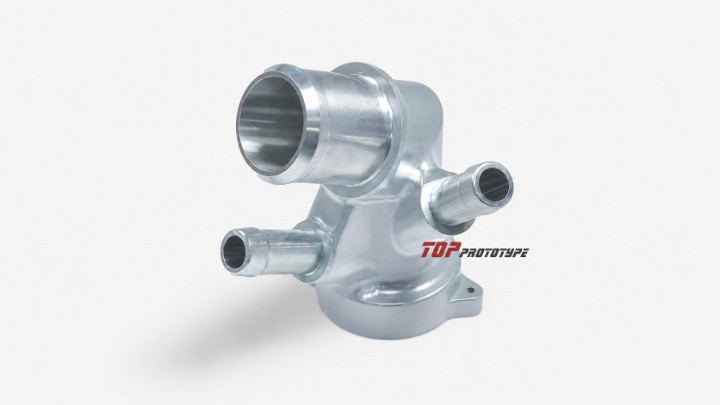
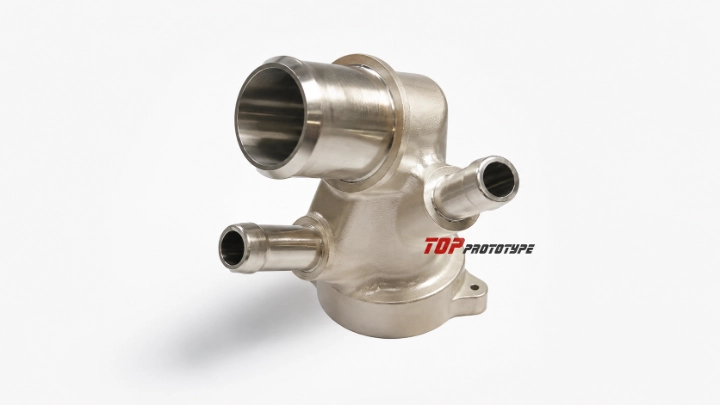
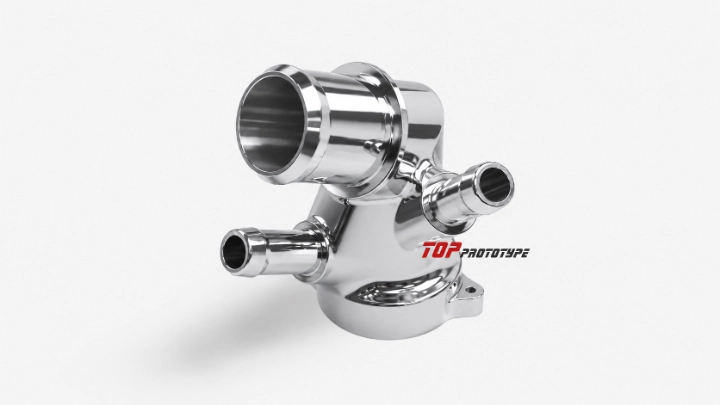
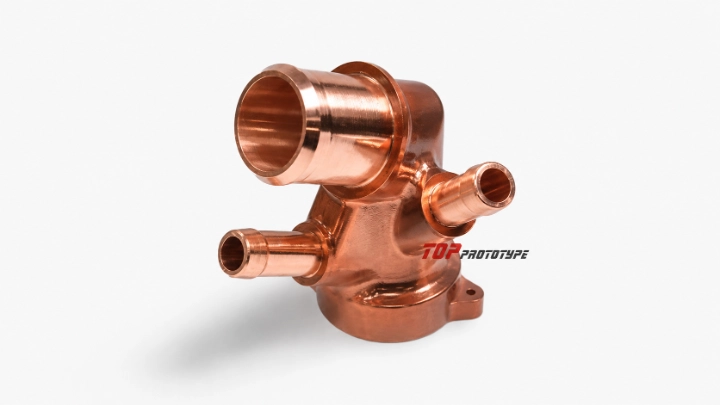
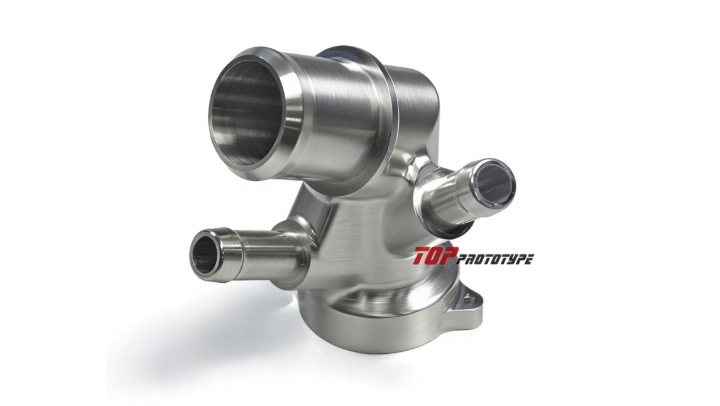
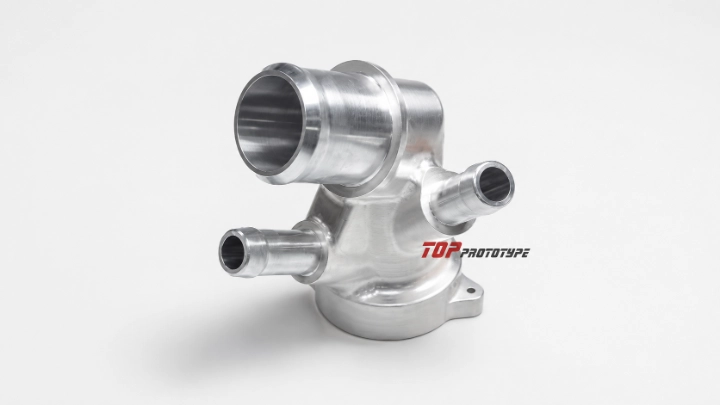
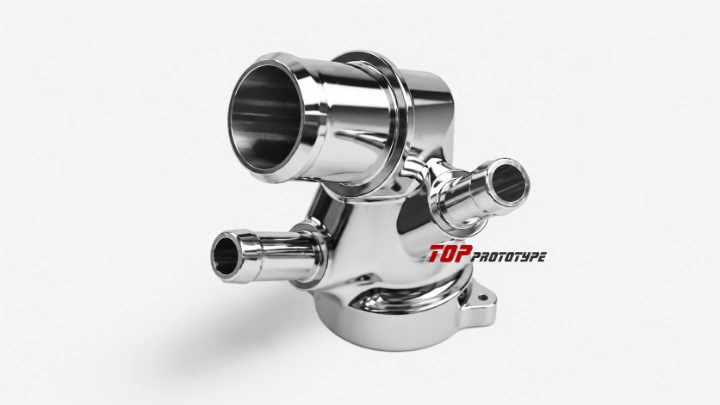
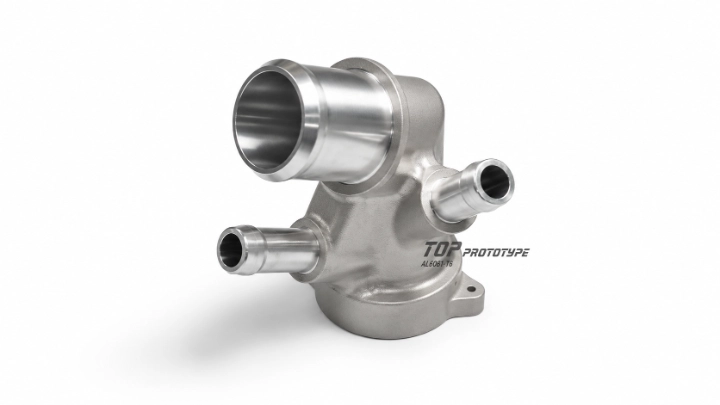
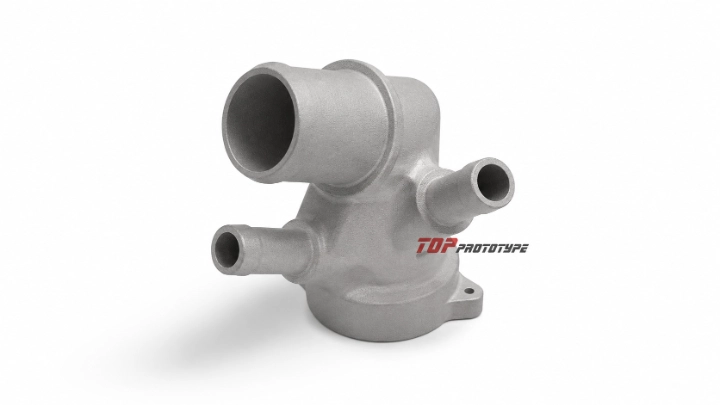
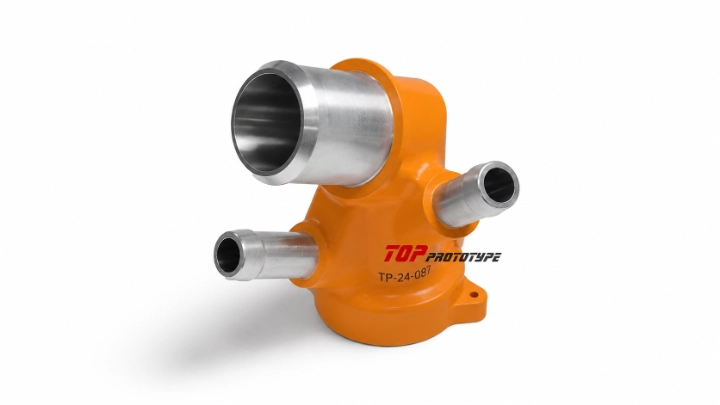
I
Sheet Metal Materials
Material selection affects strength, weight, corrosion resistance, conductivity, bendability, weldability, appearance, and final cost. Grade availability and sheet thickness should be confirmed during quotation.
| Material | Main Characteristics | Common Applications | Suitable Finishes |
| Aluminum | Lightweight, corrosion-resistant, easy to form, suitable for appearance parts | Electronic housings, covers, panels, lightweight brackets | Anodizing, painting, powder coating, brushing |
| Stainless Steel | Strong, corrosion-resistant, durable, suitable for demanding environments | Medical equipment parts, machinery panels, food equipment, industrial housings | Brushing, polishing, passivation, electropolishing |
| Carbon Steel | High strength, economical, weldable, widely available | Frames, brackets, machinery covers, structural components | Powder coating, painting, plating, blackening |
| Galvanized Steel | Steel substrate with improved corrosion protection | Electrical cabinets, equipment panels, indoor and outdoor enclosures | Powder coating, painting, passivation |
| Copper | High electrical and thermal conductivity | Conductive parts, grounding components, heat-transfer parts | Polishing, plating, brushing |
| Brass | Good corrosion resistance, conductivity, and decorative appearance | Terminals, decorative panels, precision fittings | Polishing, plating, brushing |
| Zinc Alloy | Good formability and suitable for detailed functional components | Covers, housings, prototypes, structural details | Polishing, plating, painting |
Why Choose TOP Prototype?
-
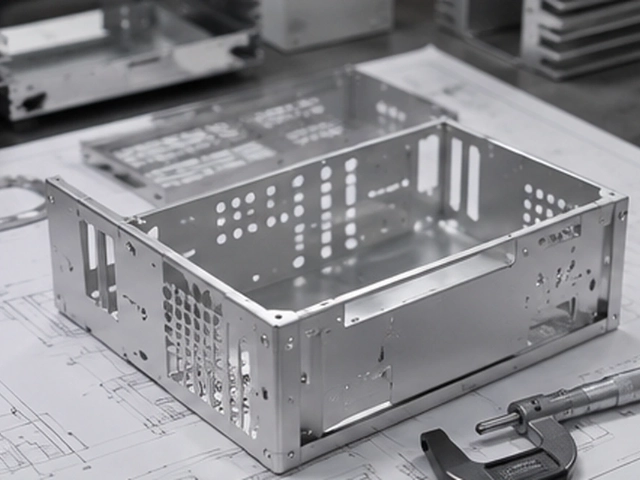
Engineering Support

-
Our team reviews drawings before fabrication to identify bend risks, difficult features, welding distortion, tolerance conflicts, and possible manufacturing improvements.
-
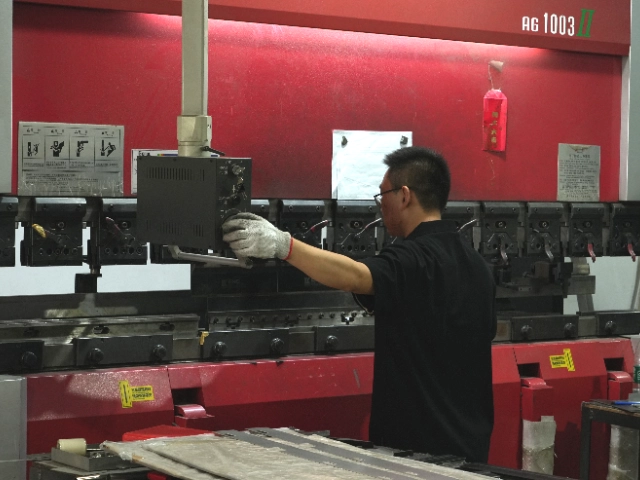
Complete Fabrication Processes
-
Laser cutting, punching, bending, rolling, welding, surface finishing, and secondary precision machining can be coordinated for complex projects.
-
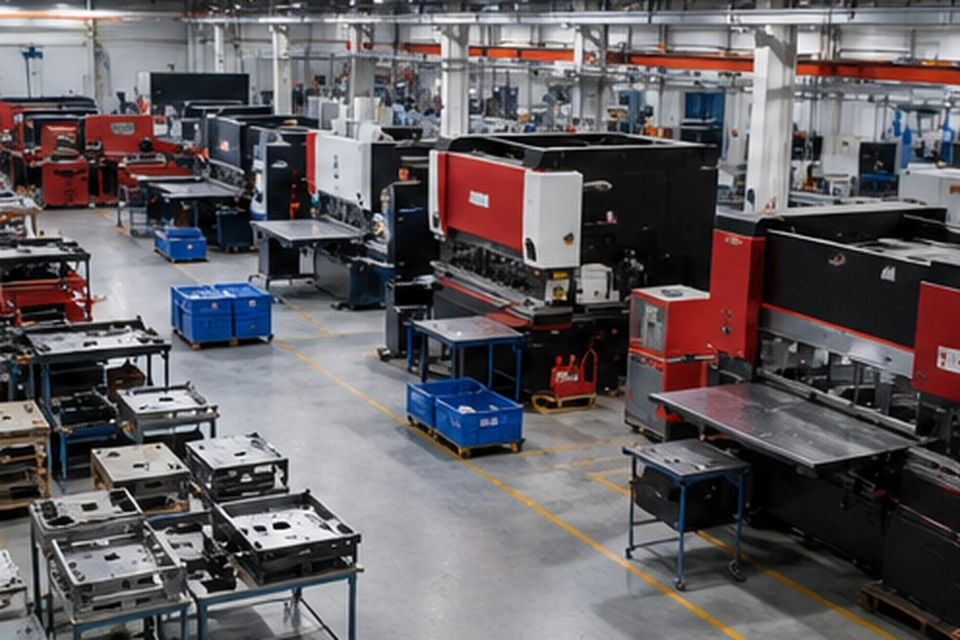
Flexible Production Capacity
-
Multiple production resources support individual prototypes, design iterations, low-volume production, and projects involving several part numbers.
-
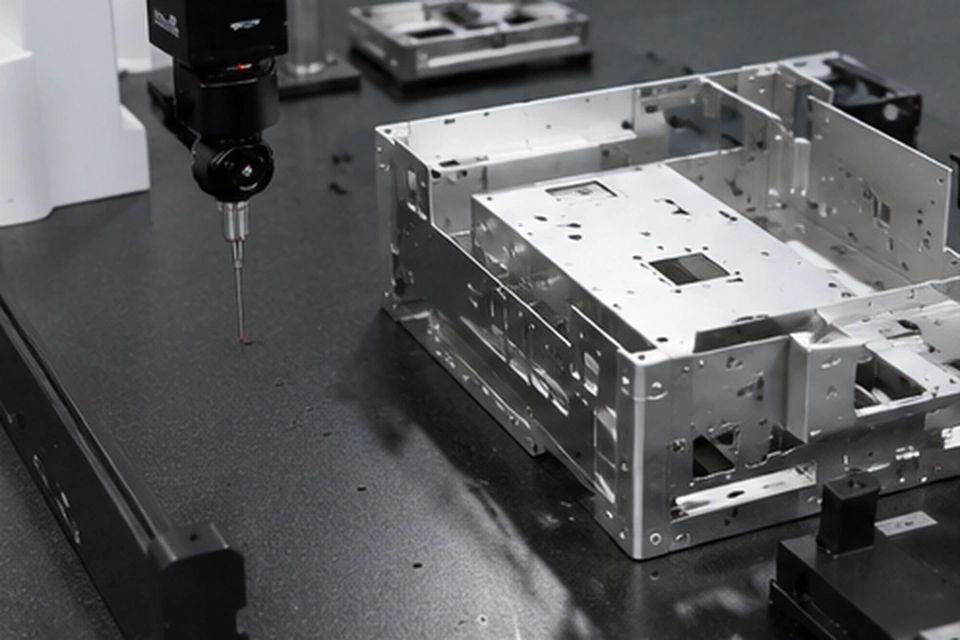
Quality-Focused Manufacturing
-
Critical dimensions, hole positions, bend angles, flatness, assembly interfaces, and finished appearance are reviewed according to drawing requirements.
-
Responsive Production
-
Flexible manufacturing arrangements help shorten processing cycles and support delivery schedules for engineering and product-development projects.
-
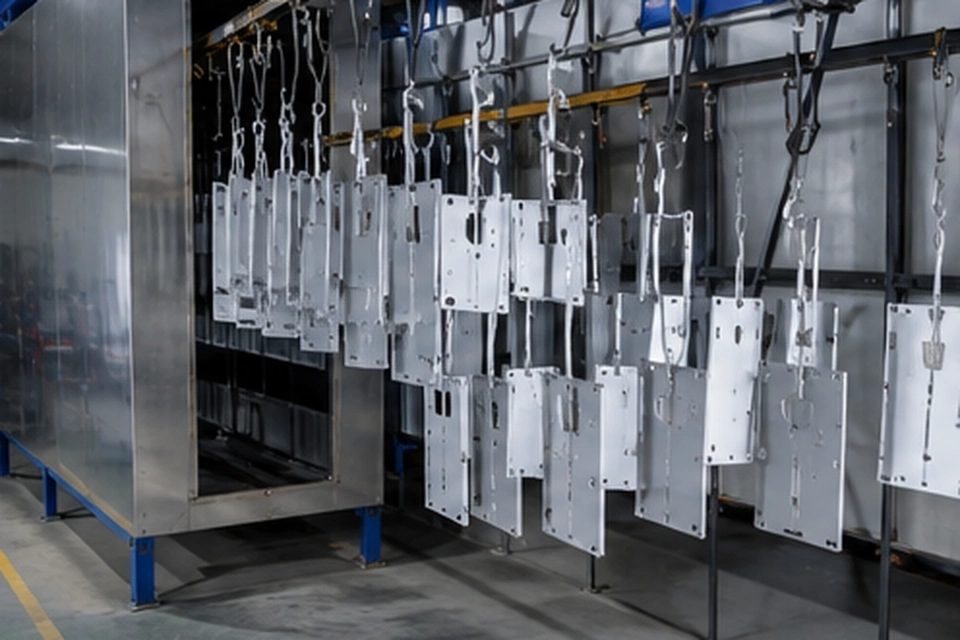
Confidential Project Management
-
Structured confidentiality measures help protect CAD files, product concepts, technical drawings, and development information.
-
Cost-Conscious Process Selection
-
The manufacturing route is selected according to part quantity, geometry, tolerances, material, and finish so unnecessary tooling and processing can be avoided.
When Sheet Metal Fabrication Is the Right Manufacturing Choice
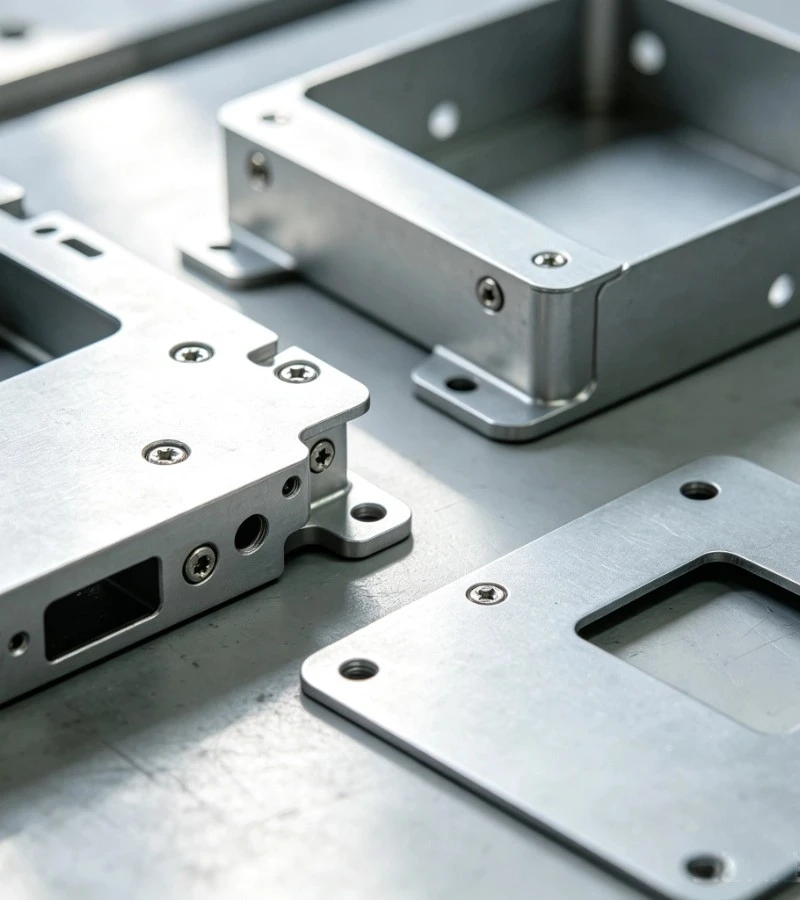
At TOP Prototype, sheet metal fabrication is commonly used to validate enclosure geometry, assembly fit, bend design, mounting positions, surface appearance, and production feasibility before customers move into larger-volume manufacturing.
Sheet Metal Fabrication Is a Strong Fit When You Need:
- Functional metal prototypes that must withstand mechanical testing or repeated assembly
- Lightweight housings with good strength and structural rigidity
- Panels, brackets, covers, chassis, or enclosures with multiple bends
- Fast design changes without rebuilding expensive production tooling
- Low to medium production volumes with several product variants
- Conductive metal structures for grounding or electromagnetic shielding
- Finished parts that require painting, anodizing, plating, or powder coating
- A combination of cutting, bending, welding, machining, and finishing
Sheet metal is widely used in electronics, communications, automotive, and medical equipment because it can combine low weight, strength, conductivity, and production flexibility.
Ready to Validate Your Sheet Metal Design?
Share your 3D CAD files, 2D drawings, material requirements, quantities, and finishing specifications with TOP Prototype. Our engineers will review your design and provide manufacturability feedback before production begins.
-

Evaluation of bends, holes, cutouts, joints, and assembly-critical features.
-
Practical recommendations based on strength, appearance, corrosion resistance, and budget.
-
Identification of critical dimensions and realistic fabrication tolerances.
-
Clear pricing based on geometry, material, quantity, finishing, and inspection requirements.
Inside Our Sheet Metal Fabrication Facility
Our in-house sheet metal fabrication facility is equipped for prototypes, complex formed components, and low-to-medium volume production—all managed through one controlled workflow.
From material preparation, laser cutting, punching, and bending to welding, surface finishing, and final inspection, each stage is closely coordinated to maintain quality, traceability, dimensional consistency, and reliable delivery.
View Our Factory

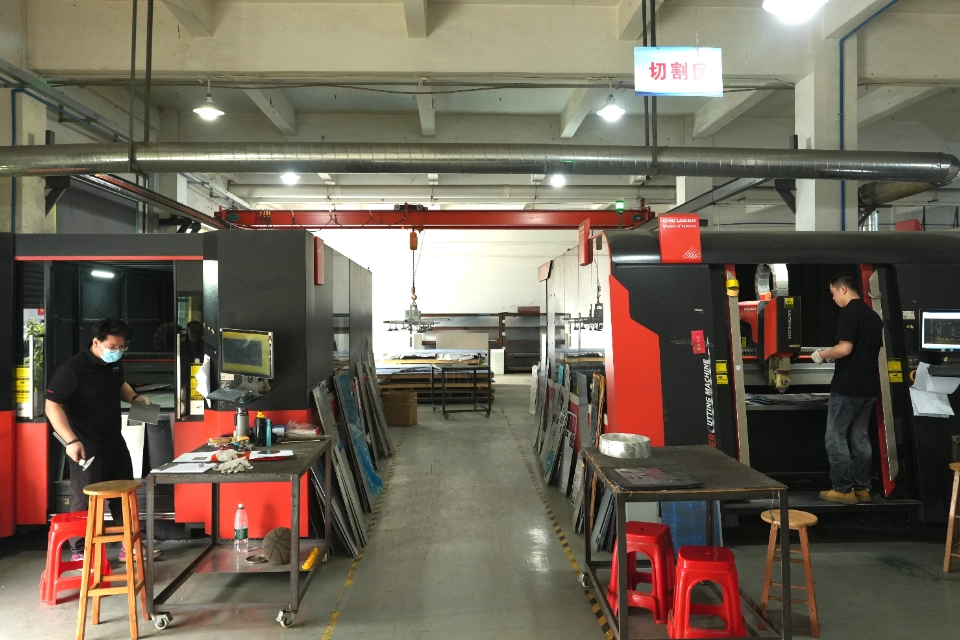
Sheet Metal Fabrication Workshop
Sheet Metal Fabrication FAQs
-
What Files Are Required for a Sheet Metal Fabrication Quote?
-
Please provide a 3D CAD file, a dimensioned 2D drawing, material requirements, quantity, surface finish, and any critical tolerance or inspection notes.
-
Can TOP Prototype Produce One-Off Sheet Metal Prototypes?
-
Yes. The flexible production model is suitable for individual prototypes, design iterations, and multi-variant low-volume order
-
What Sheet Metal Tolerances Can Be Achieved?
-
Tolerance depends on material, thickness, part size, bend geometry, welding, and feature type. Selected features may reach tighter tolerances after engineering review, while general formed-part tolerances are specified according to the drawing.
-
Which Sheet Metal Materials Are Available?
-
Common options include aluminum, stainless steel, carbon steel, galvanized steel, copper, brass, and zinc alloy. Exact grades and thicknesses are confirmed during quotation.
-
Can Laser Cutting, Bending, and Welding Be Included in One Order?
-
Yes. A project can combine cutting, punching, bending, rolling, welding, finishing, and secondary machining according to the component design.
-
What Surface Finishes Can Be Applied?
-
Available finishing options may include powder coating, painting, anodizing, plating, brushing, sandblasting, polishing, laser engraving, screen printing, and passivation.