



CNC Milling Services
High-Accuracy Milling for Prototypes and Production
Transform complex CAD designs into accurate metal and plastic components. From design verification and functional testing to low-volume manufacturing, we deliver stable dimensions, clean machined features, and repeatable quality across every production stage.
Key Capabilities
- Tight tolerances down to ±0.01 mm
- Complex geometries and precision-machined features
- Consistent quality from prototypes to low-volume production

Request a Quote
Explore Our Capabilities

5-Axis

CNC Milling
±0.01 mm
Accuracy
15,000 RPM
Spindle Speed
20+
Engineering Materials Machined
Our CNC Milling Processes
From simple prismatic parts to complex multi-surface components, we select the right milling process for each geometry, material, and tolerance requirement.
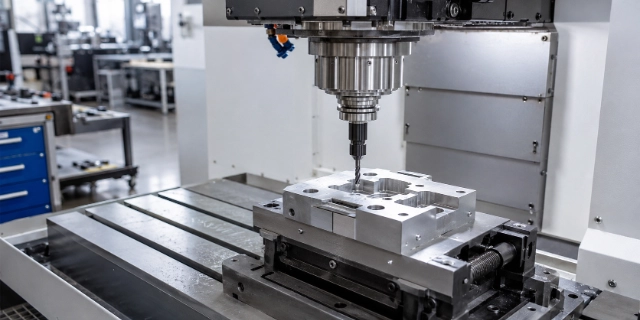
3-Axis Milling
3-axis milling is suitable for parts with flat surfaces, slots, pockets, drilled holes, and standard geometric features. It provides an efficient solution for brackets, housings, plates, fixtures, and many prototype components.
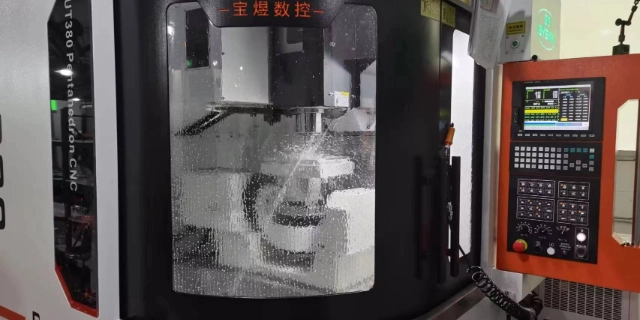
5-Axis Milling
5-axis milling allows the cutting tool to approach the workpiece from multiple directions within fewer setups. It is ideal for complex contours, angled holes, curved surfaces, undercuts, and components requiring precise feature alignment.
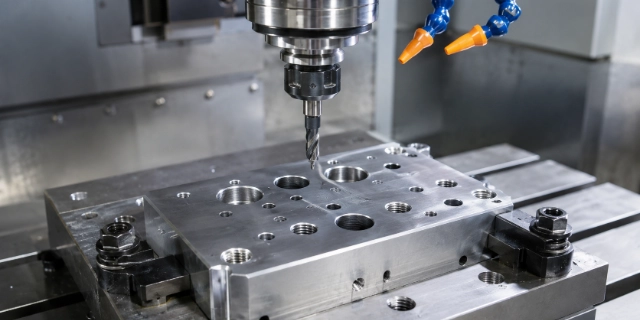
Precision Drilling & Tapping
We machine through holes, blind holes, countersinks, counterbores, and internal threads according to drawing specifications. Controlled tool paths help maintain accurate hole position, diameter, depth, and thread quality.
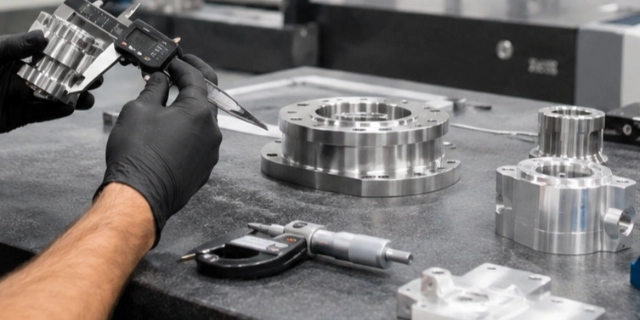
Finishing and Quality Inspection
After milling, parts can be deburred, polished, anodized, painted, or treated according to application requirements. Dimensional inspection is performed to verify tolerances, critical features, and overall part conformity before delivery.
Parts We Machine Every Day
Our CNC Milling capabilities go beyond these examples. Share your design and get engineering feedback before machining begins.
Request a Quote
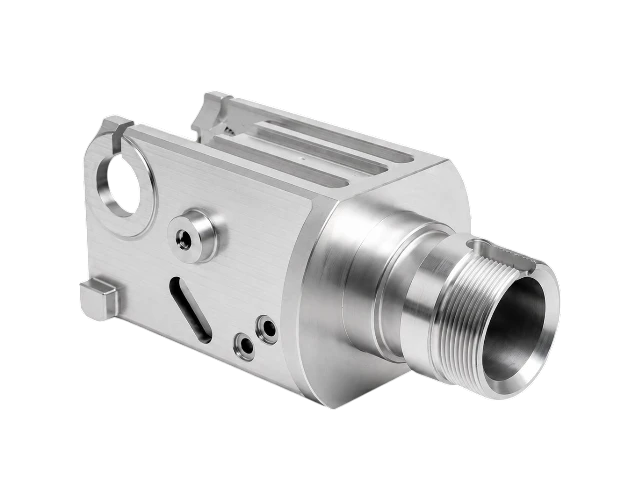
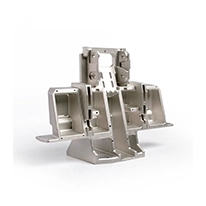
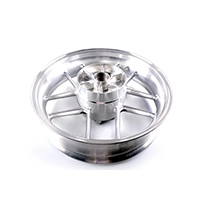
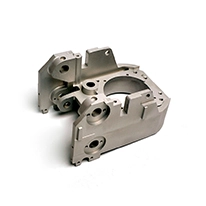
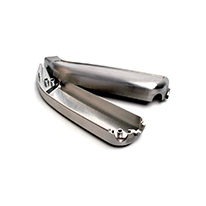
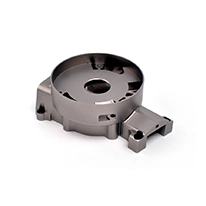
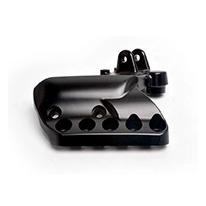
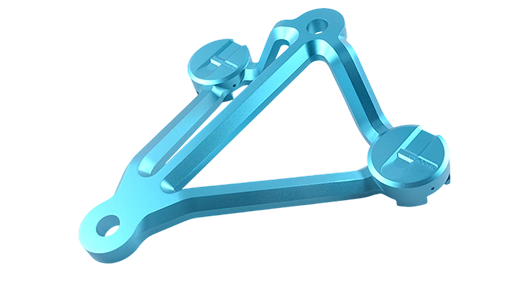
Brackets, Connectors, and Complex-Profile Components
This group includes structural parts used for connection, support, positioning, and motion-related assemblies. Typical machining features include curved surfaces, irregular contours, long profiles, thin-wall sections, and multiple mounting interfaces. These components often require stable fixturing, accurate hole positioning, and multi-axis machining.
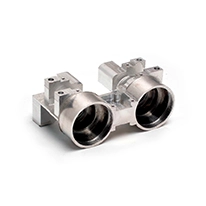

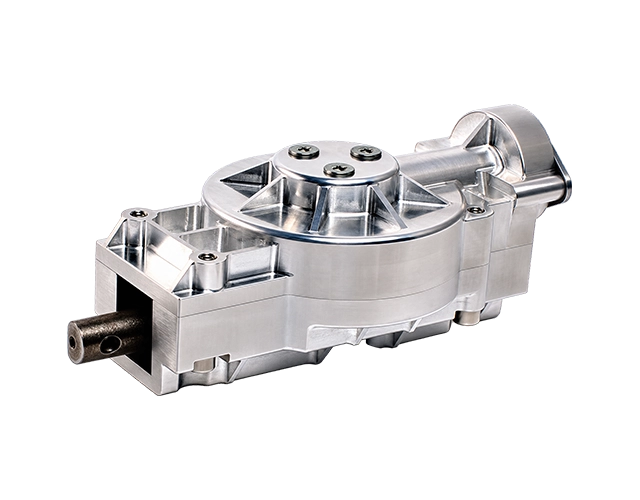
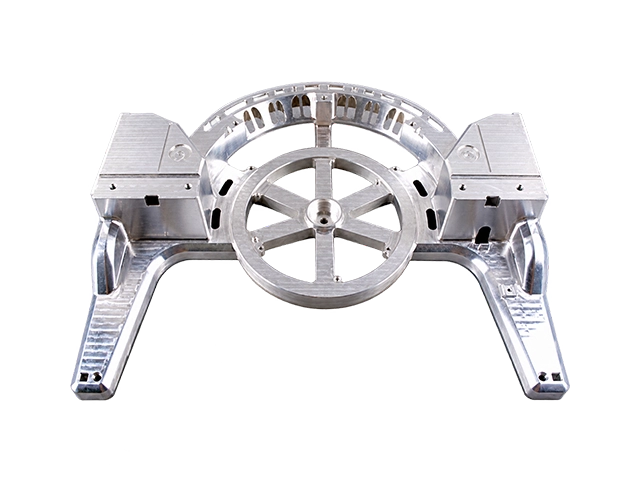
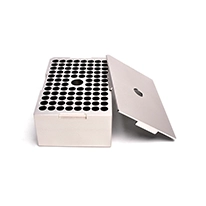
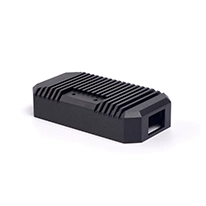
Housings, Frames, and Complex Cavity Components
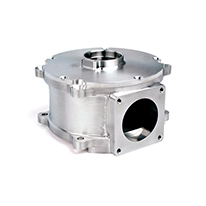
This group covers large frames, equipment housings, engine and pump bodies, valve bodies, and multi-cavity aluminum components. Common characteristics include deep cavities, multiple ports, threaded holes, sealing surfaces, and high material-removal volumes. Machining focuses on dimensional stability, wall-thickness control, flatness, and alignment between multiple faces.
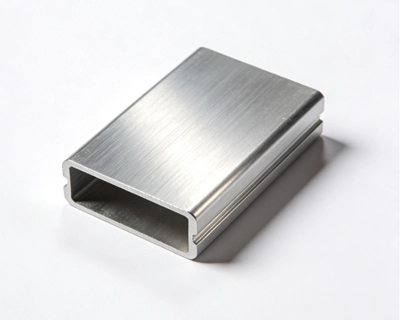
Precision Plates, Fixtures, and Multi-Feature Milled Parts
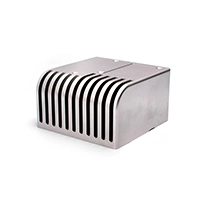
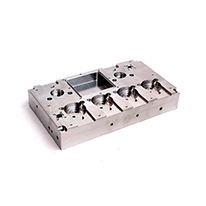
This group consists mainly of precision plates, small aluminum blocks, fixtures, mold plates, heat-dissipation parts, and long machined panels. Typical features include through-holes, counterbores, slots, pockets, steps, deep grooves, and complex planar contours. These parts generally require controlled flatness, accurate hole spacing, and consistent batch machining.
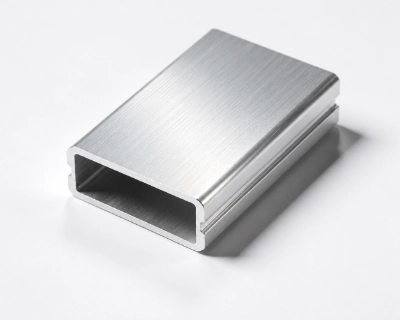
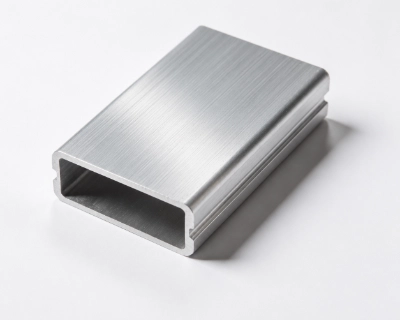
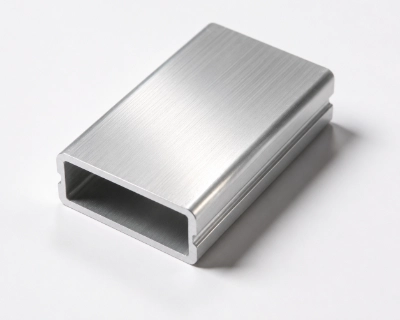
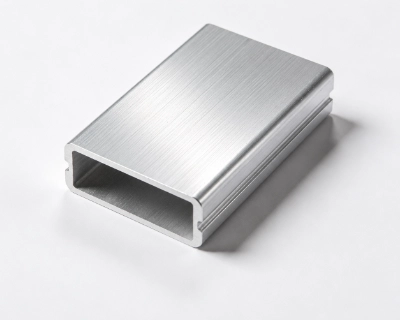
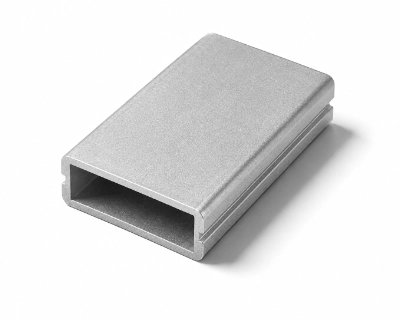
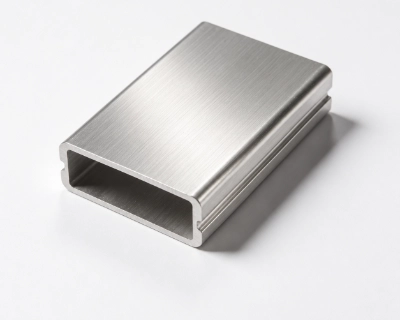
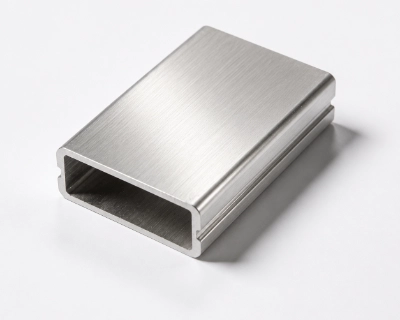
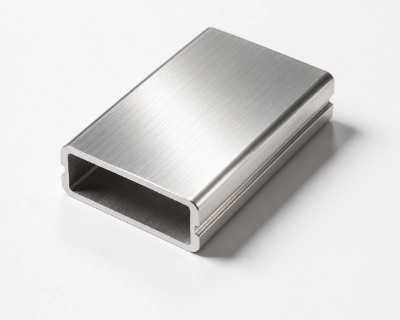
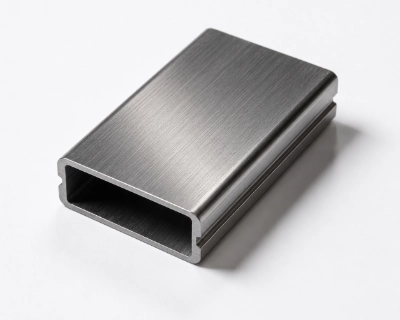
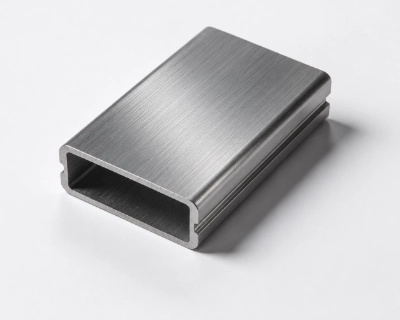
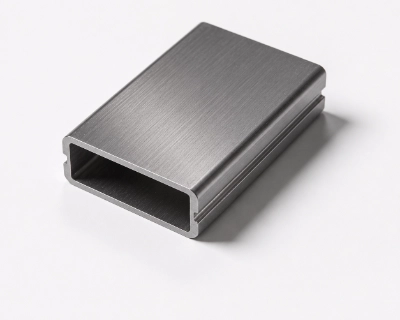
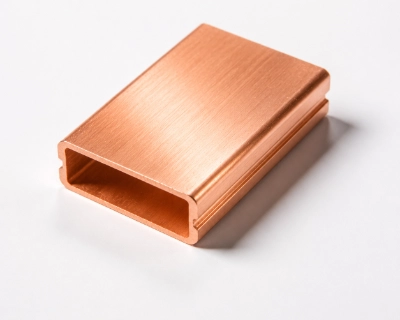
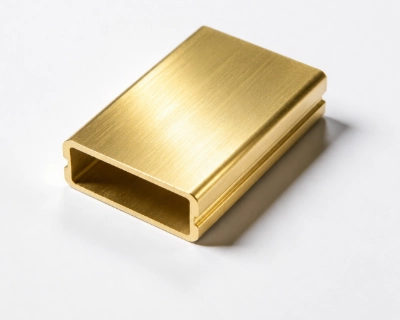
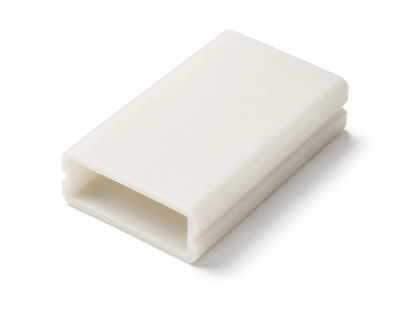
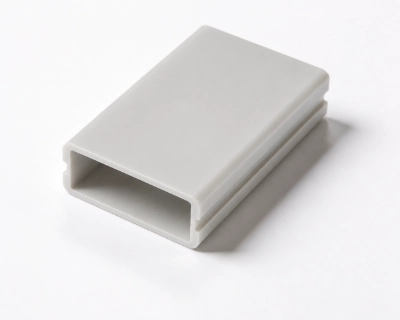
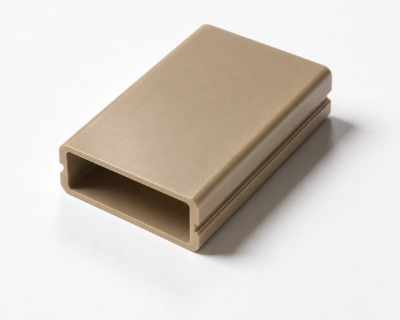
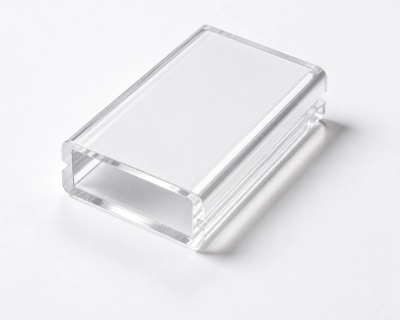
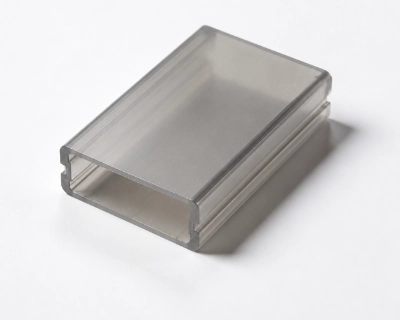
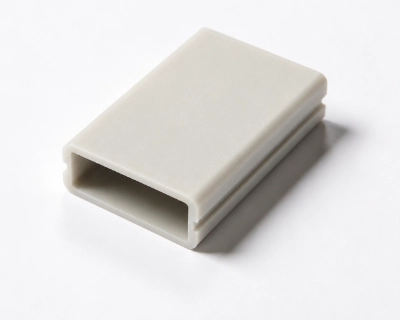
Materials Engineered for CNC Milling
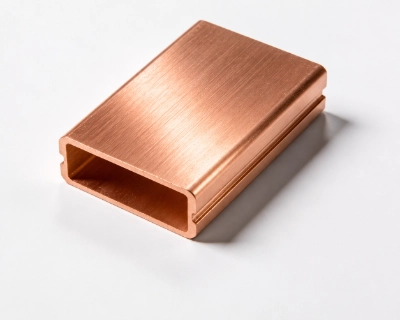
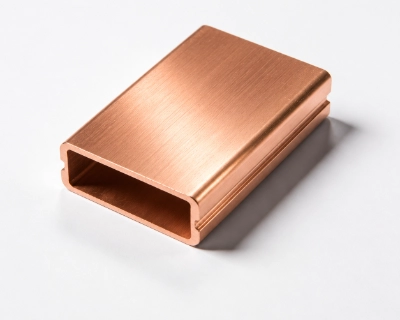
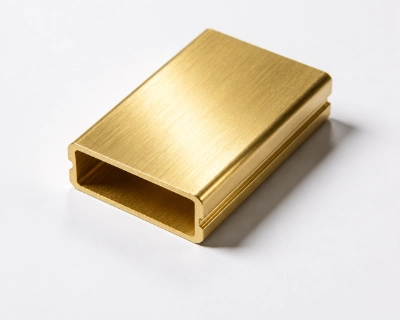
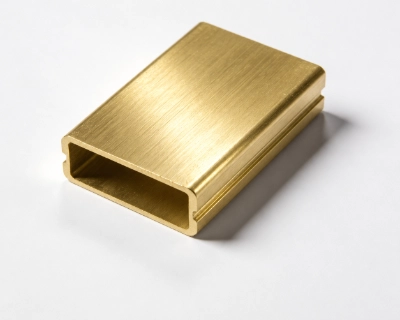
Not Sure Which Material Fits Your Part Best?
Our engineers evaluate part geometry, tolerance requirements, operating conditions, and actual machining behavior to recommend a material that balances performance, cost, and manufacturability.

Assess material machinability before production
Compare strength, corrosion resistance, and thermal performance
Optimize material selection for cost, tolerances, and lead time
Explore Material Guide


Tolerance Control
We define tolerances based on functional requirements, assembly needs, and real-world use — not guesswork. When tighter tolerances are required, we have the machining capability and inspection control to deliver them.
| Category | Standard | Precision Option | Design Guidance |
| General Linear Dimensions — Metal Parts | ±0.05 mm | ±0.02 mm | Use tighter tolerances only for functional interfaces, alignment features, and assembly-critical dimensions. |
| Precision Holes and Shafts | ±0.03 mm | ±0.01 mm | Specify the required fit and measurement method. Reaming, precision boring, or grinding may be required. |
| Hole Position | ⌀0.10 mm | ⌀0.04 mm | Define appropriate datums and use GD&T position callouts instead of simple coordinate tolerances. |
| Flatness and Parallelism | 0.05 mm per 100 mm | 0.02 mm per 100 mm | Large, thin, or stress-sensitive parts require additional fixture and deformation evaluation. |
| Perpendicularity | 0.05 mm per 100 mm | 0.02 mm per 100 mm | Apply the tolerance relative to a clearly defined functional datum surface. |
| Surface Roughness | Ra 3.2 μm | Ra 1.6 μm; Ra 0.8 μm by review | Specify fine finishes only on sealing, sliding, bearing, wear, or appearance-critical surfaces. |
| Metric Threads | ISO 6H internal / 6g external | Tighter class by drawing review | State thread class, effective depth, engagement length, and gauge inspection requirements. |
| Engineering Plastic Dimensions | ±0.10 mm | ±0.05 mm | Consider moisture absorption, thermal expansion, material relaxation, and deformation during clamping. |
*Actual tolerances are defined during DFM review based on material, geometry, and functional requirements.
- Metals typically allow tighter and more stable tolerances than plastics
- Softer materials may deform under cutting forces, affecting final accuracy
- Engineering plastics and composites require tolerance planning based on geometry and load
Surface Finishing Options for CNC Parts
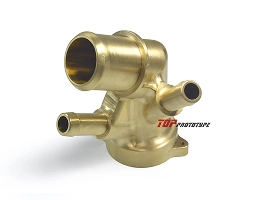
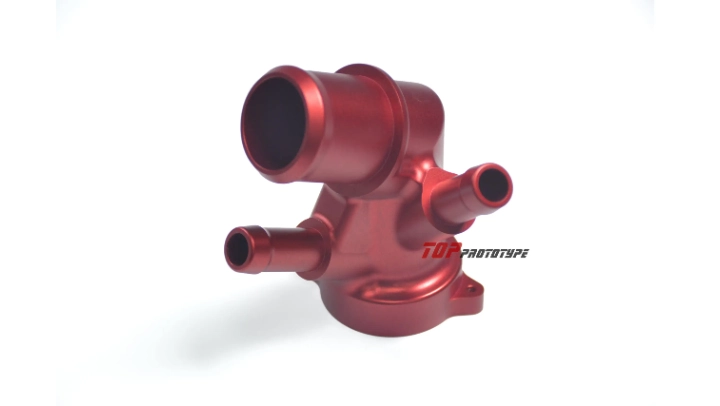
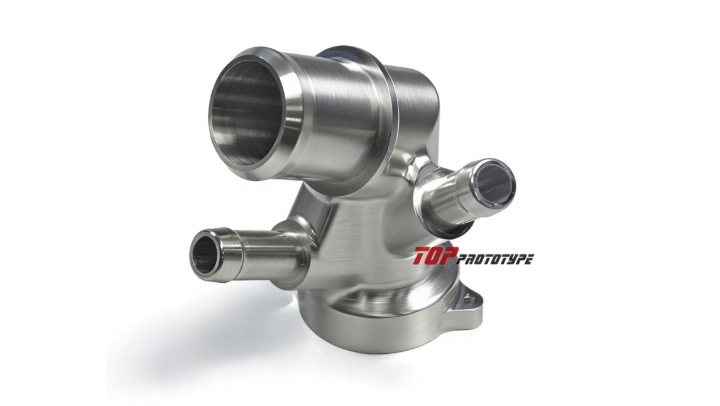
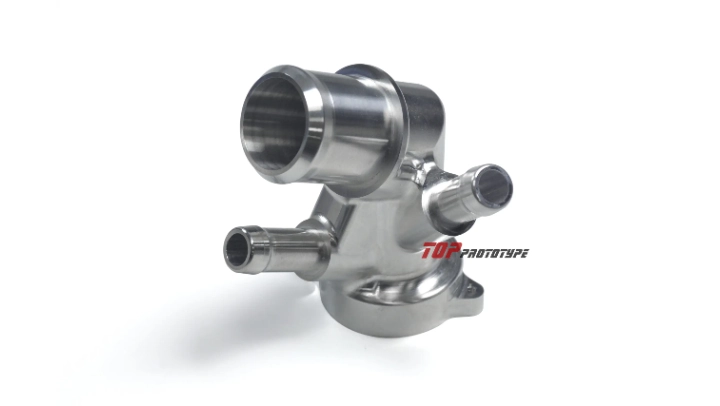
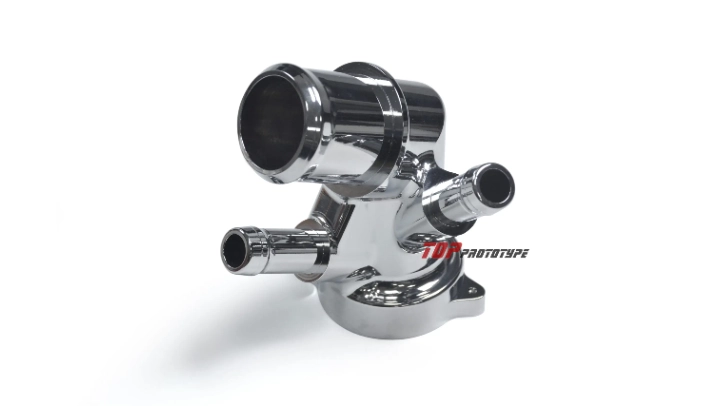
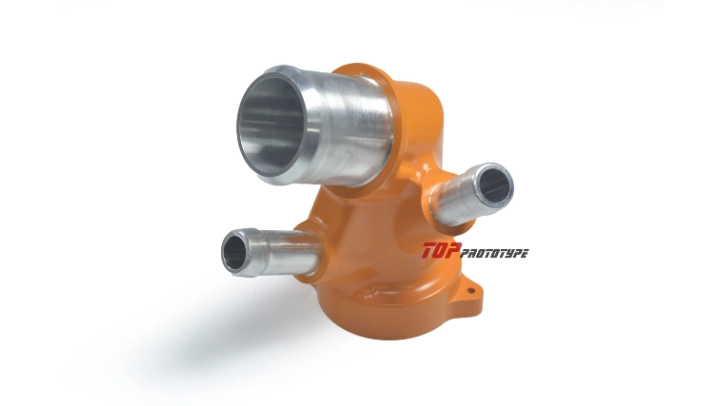
Surface finishes are selected based on functional needs, appearance requirements, and part usage — not just aesthetics.
Explore Surface Finishing Guide
Why Choose Our CNC Milling Services?
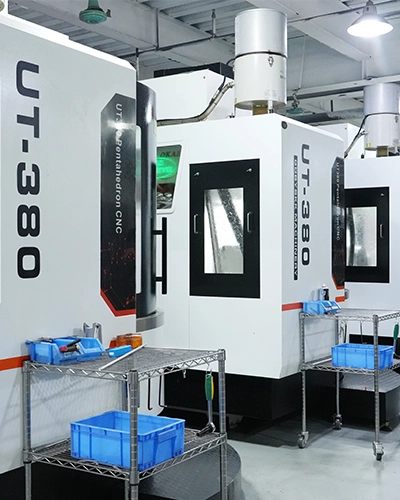
CNC milling is the right manufacturing method when a part requires dimensional accuracy, stable material performance, complex geometry, and reliable assembly fit. At TOP Prototype, we use CNC milling to support functional prototypes, low-volume production, and production-grade components.
CNC Milling Is a Good Choice When You Need:
- Functional Prototypes
Parts that can withstand mechanical loads, heat, assembly, and real operating tests. - Tight Dimensional Control
Suitable for precision holes, mating surfaces, cavities, and assembly-critical dimensions. - Production-Grade Materials
Available materials include aluminum, steel, stainless steel, copper, brass, and engineering plastics. - Complex Geometries
CNC milling can produce slots, holes, counterbores, steps, pockets, curved surfaces, and multi-sided features. - Low- to Medium-Volume Production
No tooling investment is required, making design changes and quantity adjustments easier.
Why Engineers Choose Our CNC Milling Before Tooling?
01
Validate Real Material Performance Before Mold Investment
02
Verify Assembly Fit and Critical Dimensions
03
Modify Designs and Produce New Parts Quickly
04
Support Prototypes and Low-Volume Production
CNC Milling Design Considerations
Design Recommendations
- Avoid deep cavities with very small internal radii
- Use standard hole and thread sizes whenever possible
- Maintain reasonable and consistent wall thickness
- Replace sharp internal corners with fillets or radii
- Leave sufficient access for cutting tools and fixtures
- Apply tight tolerances only to function-critical features
Manufacturing Limitations
- CNC milling may be less cost-effective for very high production volumes
- Fully enclosed internal structures may not be directly machinable
- Deep cavities, thin walls, and slender features may increase deformation risk
- Complex multi-sided parts may require several setups or 5-axis machinin
Start Your CNC Milling Project
Send TOP Prototype your drawings, material requirements, quantity, surface-finish specifications, and critical tolerances. Our engineers will evaluate part geometry, tool accessibility, fixturing, and machining risks to develop a practical solution for prototype validation or low-volume production.
-
Design-for-manufacturing review by CNC engineers
-
Tolerance and material optimization suggestions
-
Clear lead time and cost breakdown
-
No obligation before approval
Inside Our CNC Manufacturing Facility
Our in-house CNC machining facility is equipped to support prototyping, complex parts, and low-to-medium volume production — all under one controlled workflow.
From material preparation to final inspection, every step is managed internally to ensure quality, traceability, and delivery reliability.
View Our Factory
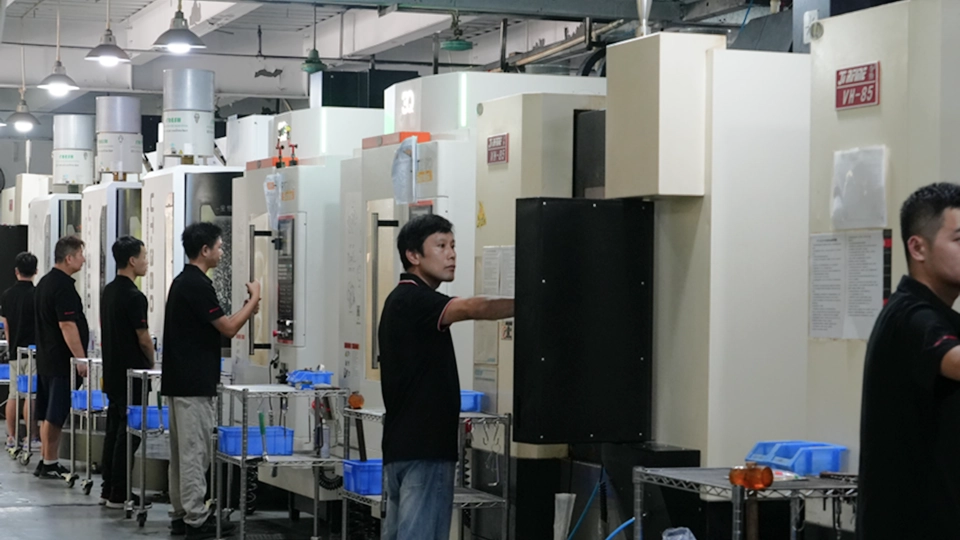
CNC Machining in Action
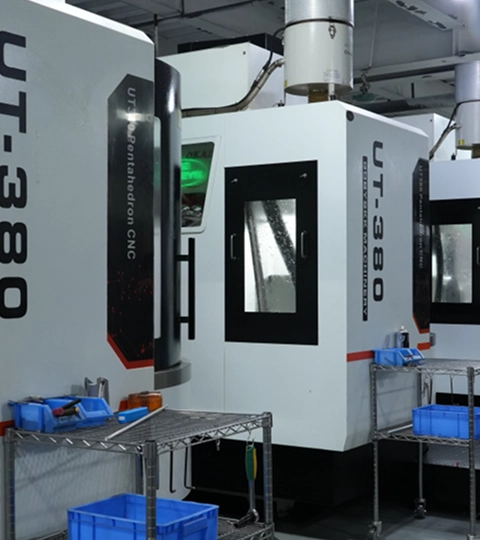
5-Axis CNC Machining Cente
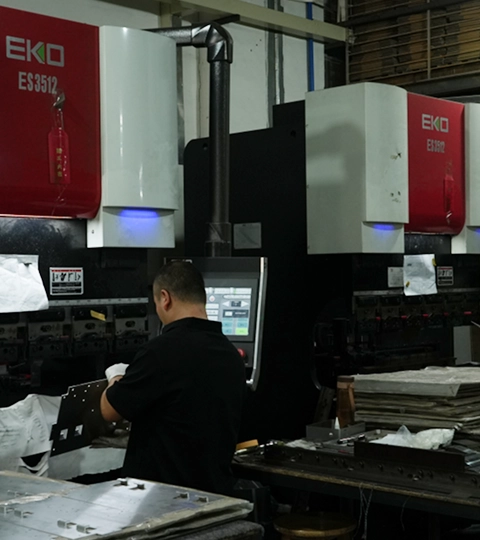
CNC Workshop Layout
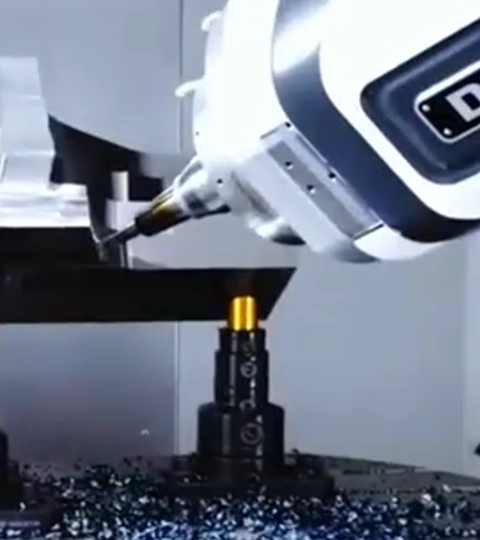
Precision CNC Equipment
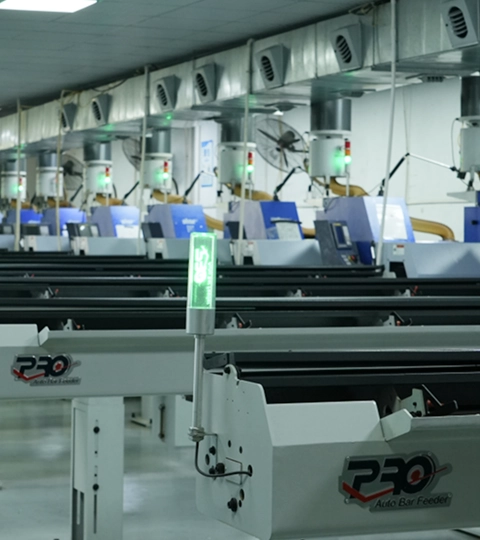
Automated CNC Production
CNC Milling Frequently Asked Questions
-
How do you determine whether a part should use 3-axis, 4-axis, or 5-axis milling?

-
The decision depends on feature orientation, tool accessibility, datum relationships, setup count, tolerance requirements, and part volume. Five-axis machining is valuable when reducing repositioning improves accuracy or when angled and curved features cannot be reached efficiently with conventional setups.
-
How do you control distortion in thin-wall CNC-milled parts?
-
Distortion is managed through balanced material removal, staged roughing and finishing, low-stress fixturing, appropriate toolpaths, controlled cutting forces, and sufficient stabilization time between operations. Material condition and residual stress should also be reviewed before machining.
-
What causes tolerance variation between different setups?
-
Variation can result from datum transfer, fixture repeatability, thermal changes, tool deflection, probing error, and material movement after rough machining. Critical relationships should ideally be completed in one setup or controlled from clearly defined functional datums.
-
How should critical datums be defined for CNC milling?
-
Datums should reflect how the part functions and assembles rather than simply using the largest visible surfaces. A stable primary, secondary, and tertiary datum structure helps control hole position, perpendicularity, parallelism, and mating features during machining and inspection.
-
How are deep cavities and high aspect-ratio features evaluated?
-
Engineers review tool reach, cutter diameter, corner radius, chip evacuation, vibration risk, wall deflection, and coolant access. Deep pockets may require extended-reach tooling, multiple tool lengths, staged machining, or geometry adjustments to maintain accuracy and surface quality.