



3D Printing Services
Rapid Prototyping for Complex, Custom, and Functional Parts
Professional 3D printing services for concept models, appearance prototypes, functional testing, customized components, and low-volume parts. TOP Prototype converts digital CAD files into physical components through layer-by-layer manufacturing—without conventional tooling.
Key Capabilities
- Resin and Polymer 3D Printing
- Complex Geometry Production
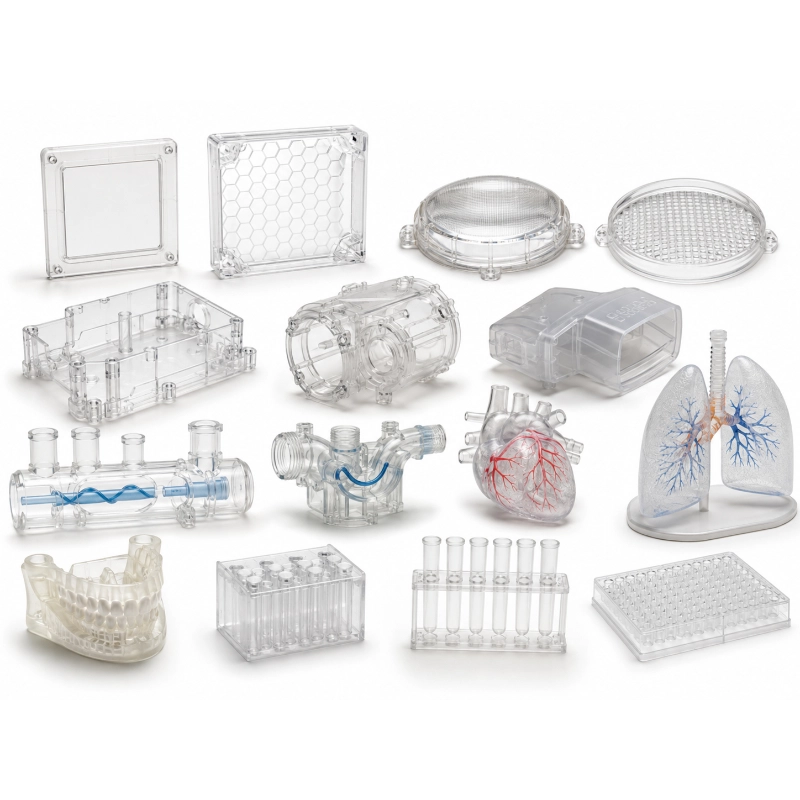
- Transparent and Functional Parts
- One-Off and Low-Volume Manufacturing
- Finishing and Product Assembly

Request a Quote
Explore Our Capabilities
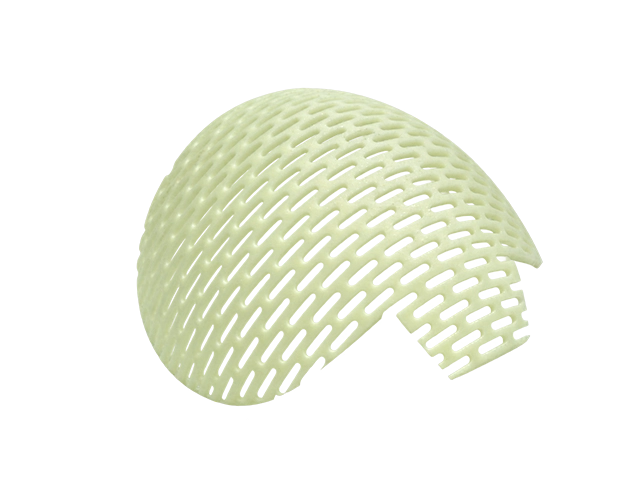
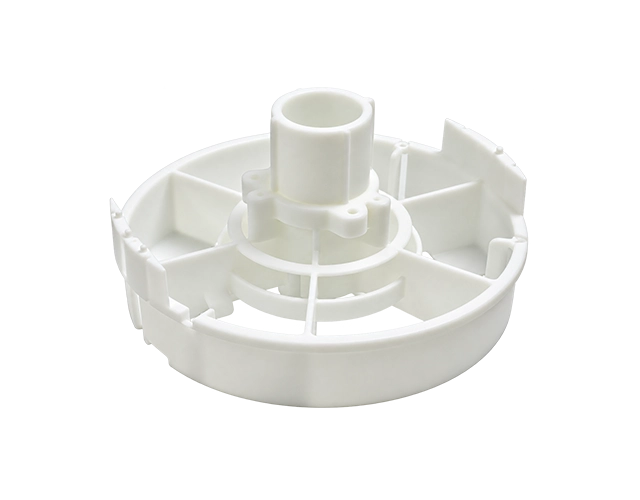
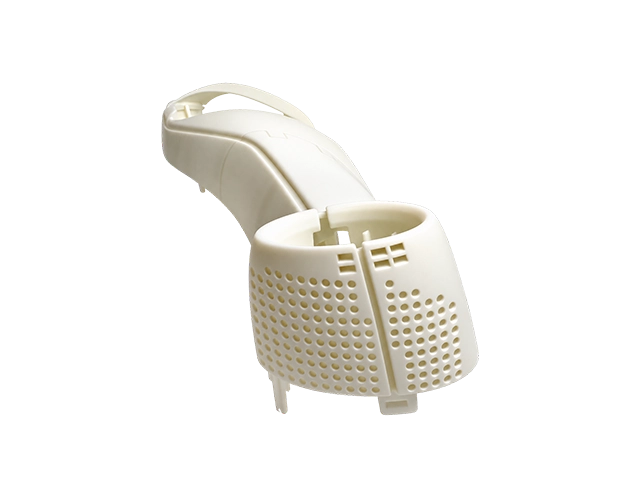
Core 3D Printing Capabilities
Our 3D printing services support rapid design validation, functional testing, presentation models, and low-volume manufacturing.
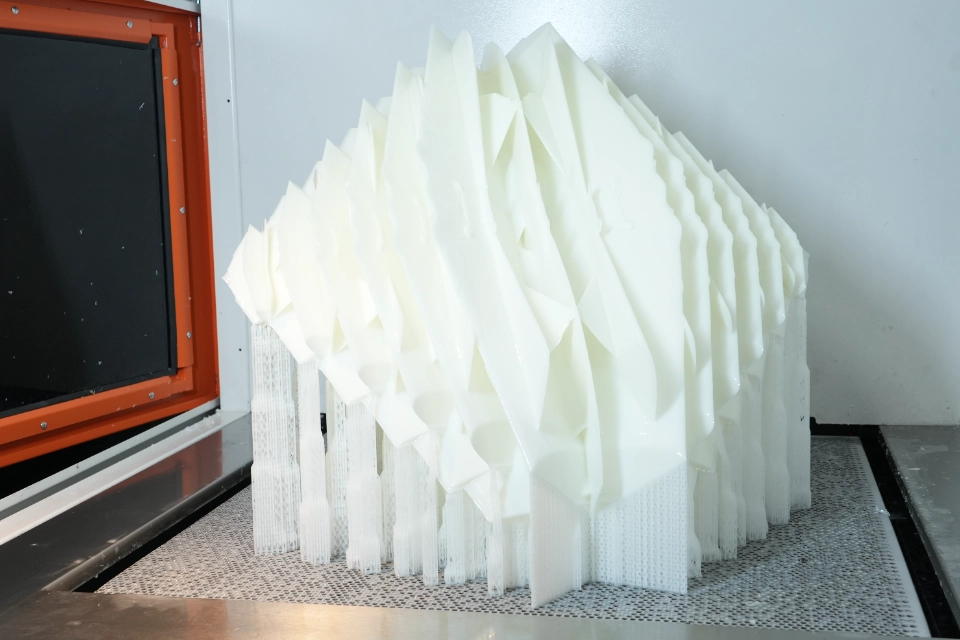
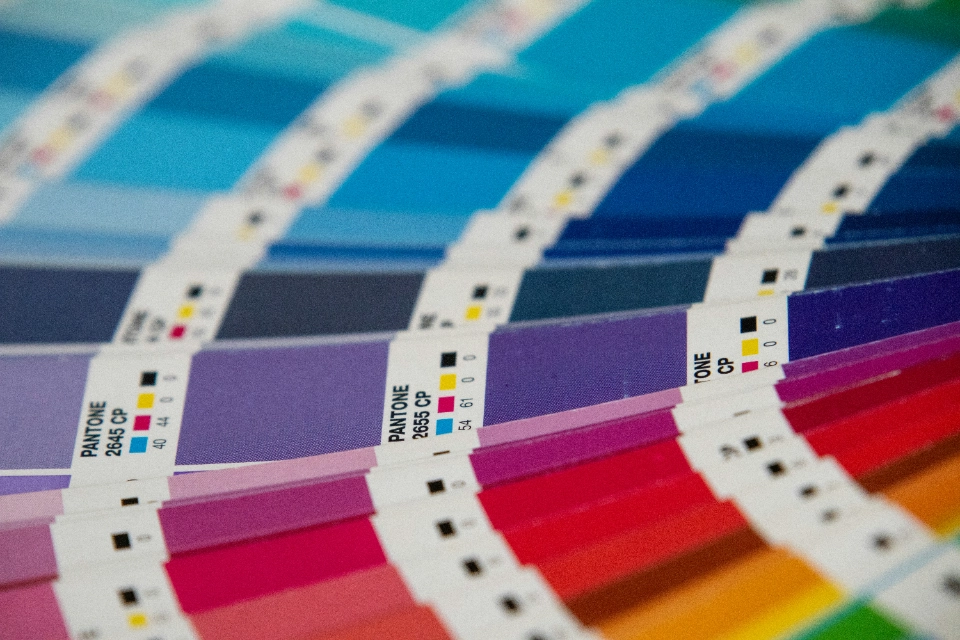
Resin 3D Printing
High-detail printing for appearance prototypes, transparent components, small features, and smooth cosmetic surfaces.
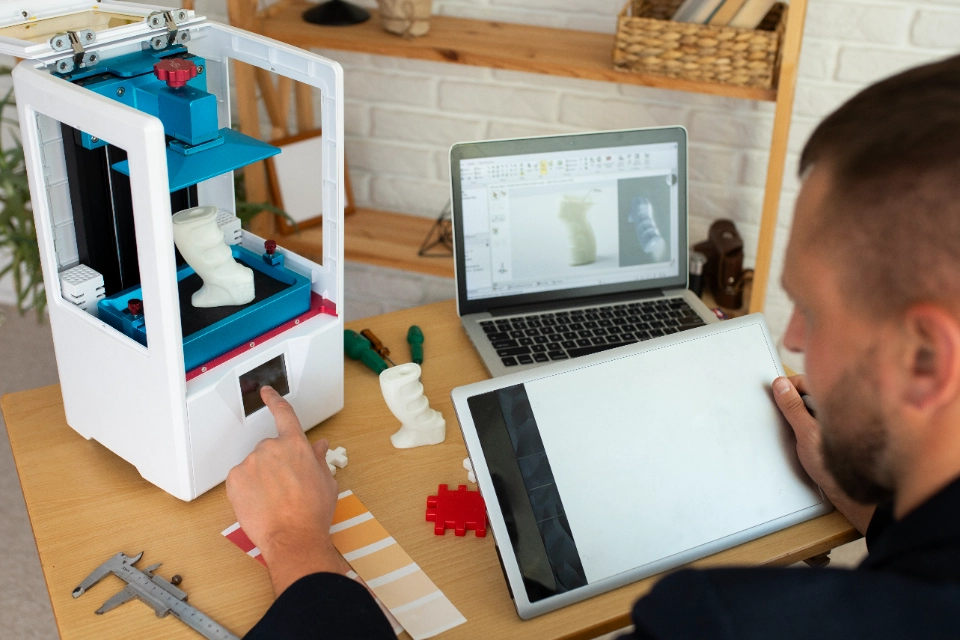
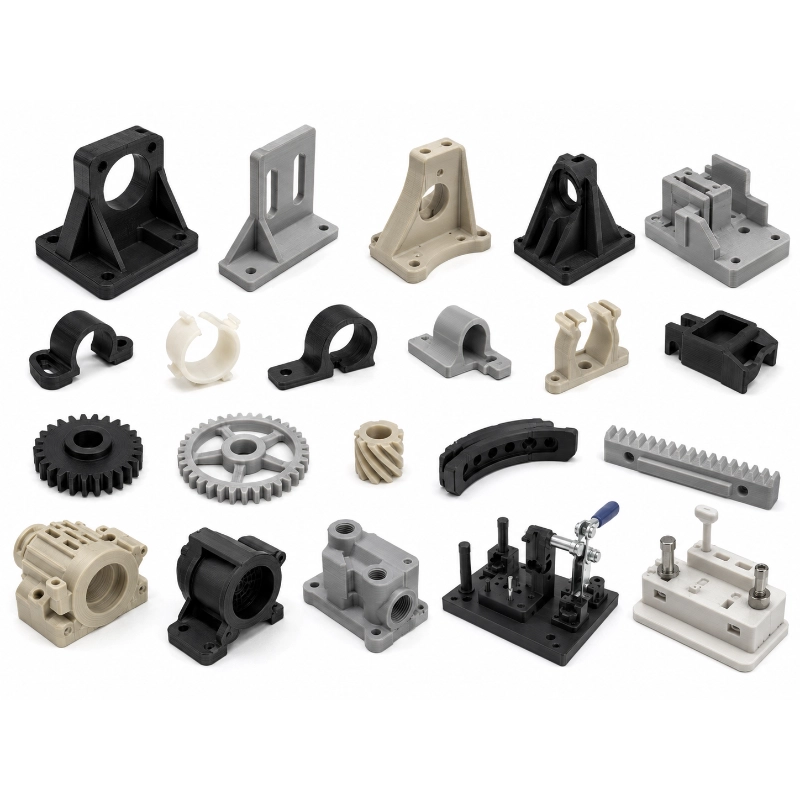
Polymer Powder Printing
Durable printing for functional parts, clips, brackets, housings, and complex components requiring good mechanical performance.
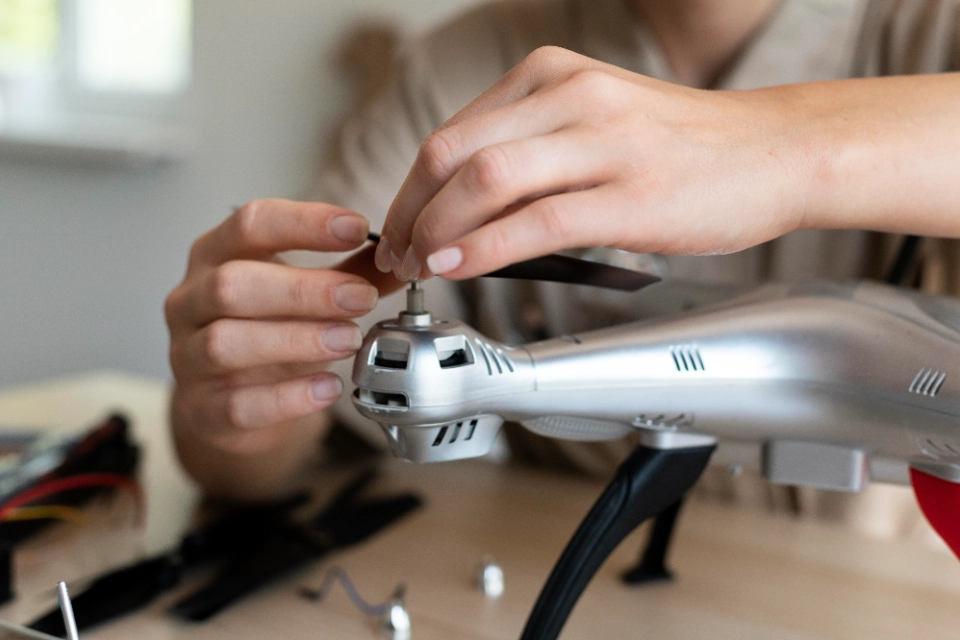
Functional Prototyping
Production of working models for assembly verification, ergonomic evaluation, design testing, and early product demonstrations.
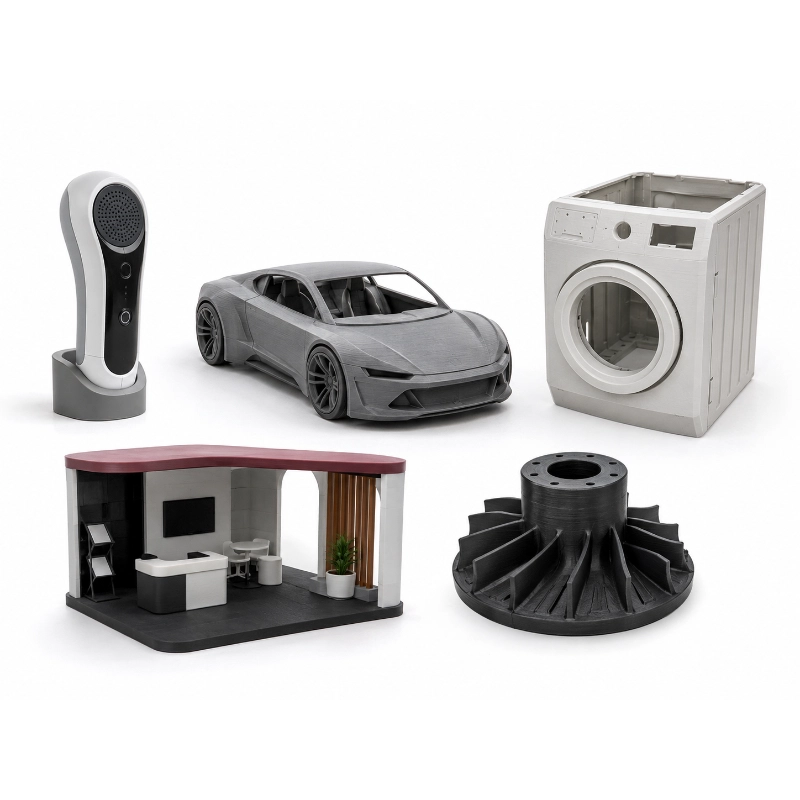
Finishing and Assembly
Sanding, polishing, painting, coloring, printing, bonding, insert installation, and final assembly can be coordinated after printing.
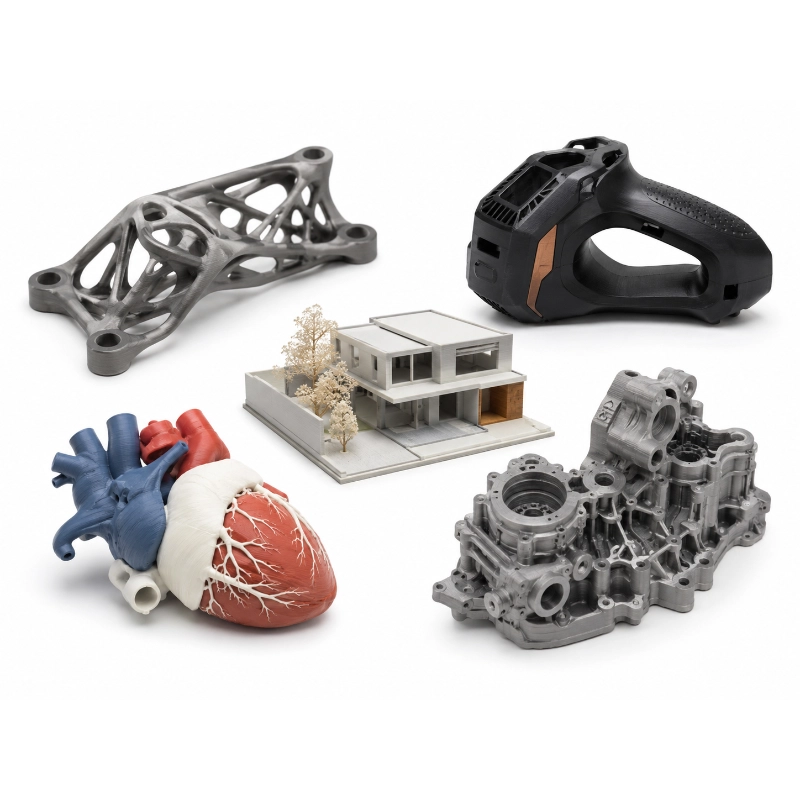
3D-Printed Parts for Product Development
Materials Engineered for 3D Printing
Material selection affects strength, flexibility, heat resistance, surface quality, transparency, dimensional stability, and final part cost. Material availability, printing method, and lead time are confirmed according to the individual project.
Explore Material Guide

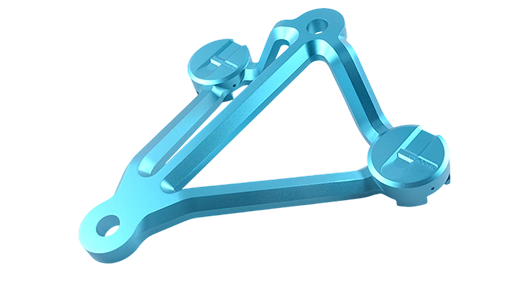

3D Printing Finishing Options
| Finish | Description | Common Applications |
| Support Removal | Removes temporary support structures and cleans contact areas after printing. | All supported resin and filament parts |
| Sanding and Smoothing | Reduces visible layer lines and improves surface uniformity. | Appearance models, housings, presentation prototypes |
| Polishing | Improves smoothness and transparency, particularly on clear resin parts. | Lenses, transparent covers, fluid models |
| Spray Painting | Adds production-like colors, gloss levels, textures, and cosmetic finishes. | Consumer products, automotive models, appliance housings |
| Dyeing and Coloring | Adds consistent color without applying a thick painted coating. | Nylon parts, color-coded components, functional prototypes |
| Screen or Pad Printing | Applies logos, symbols, operating information, and product graphics. | Control panels, buttons, branded housings |
| Laser Marking | Adds permanent serial numbers, QR codes, labels, or identification marks. | Traceable parts and industrial components |
| Bonding and Assembly | Combines printed sections, inserts, magnets, windows, seals, or fasteners. | Large models and complete functional prototypes |
| Metal Inserts | Adds threaded inserts, bushings, pins, and mounting hardware. | Functional housings and assembly-test parts |
| Protective Coating | Improves appearance, wear resistance, moisture protection, or UV performance. | End-use prototypes and display models |
When 3D Printing Is the Right Manufacturing Choice
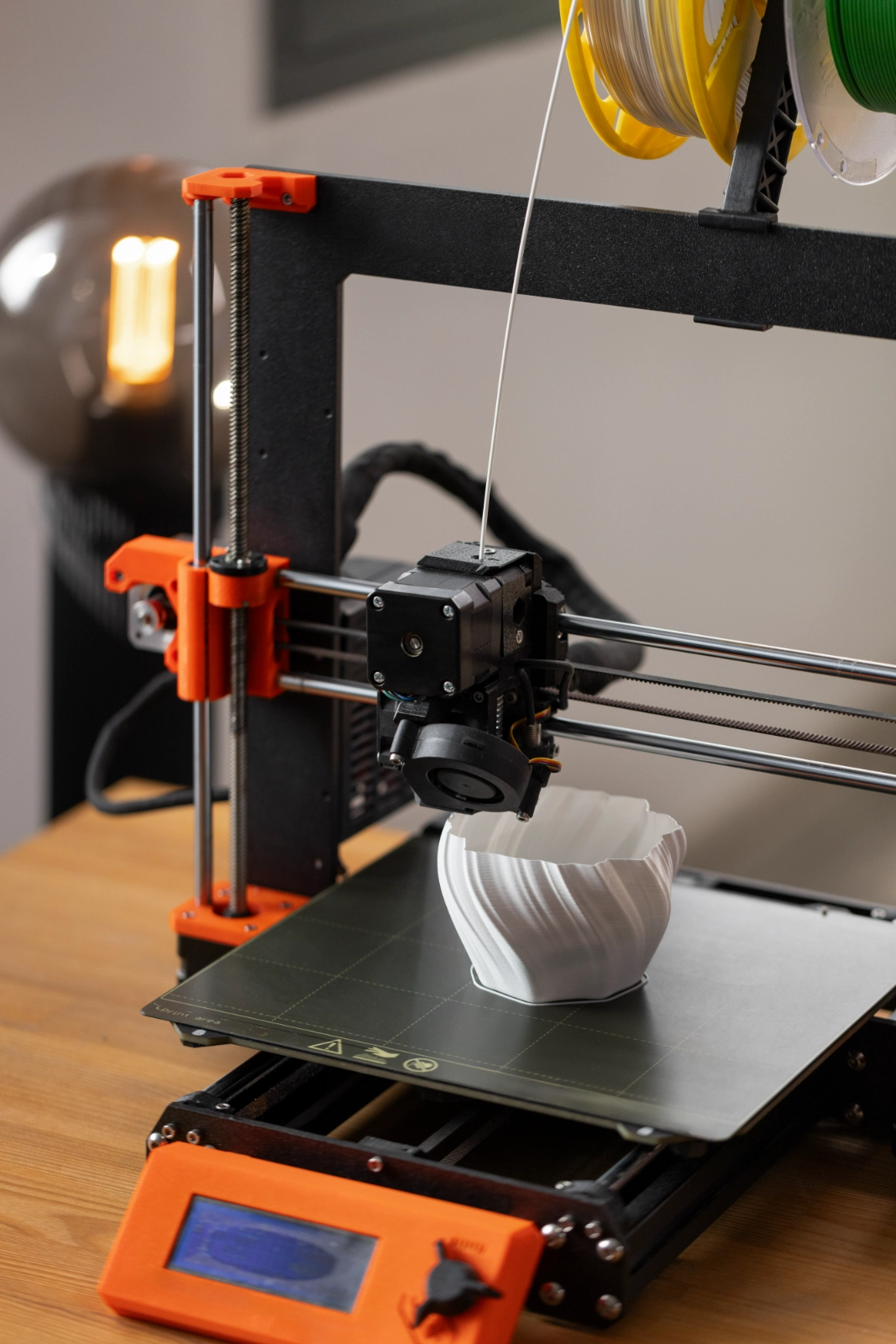
3D printing is a strong manufacturing option when development speed, design flexibility, and geometric complexity are more important than high-volume unit cost.
At TOP Prototype, 3D printing is commonly used to evaluate product form, assembly fit, customized geometry, internal structures, and design feasibility before customers invest in molds or other production processes.
3D Printing Is a Strong Fit When You Need:
- One-off prototypes or small production quantities
- Fast design changes and repeated iterations
- Complex geometries that are difficult to machine
- Internal channels, lattice structures, or undercuts
- Customized or personalized components
- Appearance models for presentation and evaluation
- Functional parts for fit and assembly testing
- Master patterns for vacuum casting
- Parts without mold or tooling investment
Why Engineers Choose 3D Printing
01
Produce parts directly from CAD files without molds.
02
Update designs and print revised parts quickly.
03
Create internal channels, lattices, and organic shapes.
04
Check appearance, fit, assembly, and function before production.
Design Considerations for CNC Machining
Design Recommendations
- Avoid deep cavities with small internal radii
- Use standard hole sizes whenever possible
- Maintain consistent wall thickness
- Add chamfers instead of sharp internal corners
Limitations
- Not cost-effective for very large production volumes
- Complex internal structures may require secondary operations
Ready to Turn Your 3D Design Into a Physical Part?
Share your CAD files, quantity, application, material requirements, surface-finish expectations, and critical dimensions with TOP Prototype.
-

Printability and Geometry Review
-
Material and Process Recommendations
-
Orientation and Support Evaluation
-
Surface-Finish Suggestions
-
Clear Production Quotation
Why Choose TOP Prototype 3D Printing?
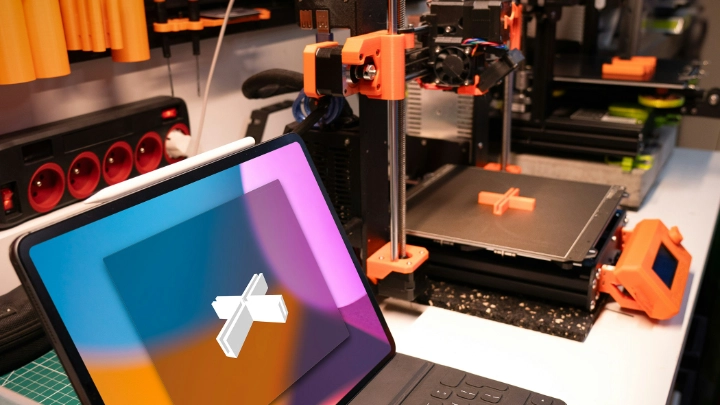
Rapid Design Iteration
Digital production allows revised designs to move into manufacturing without conventional tool changes.
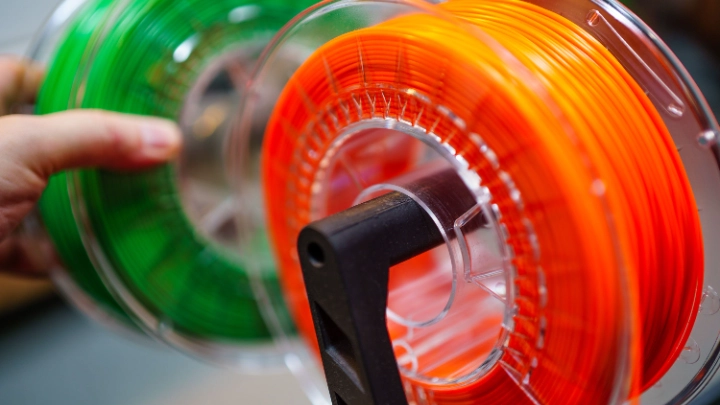
Multiple Material Options
Rigid, transparent, tough, flexible, and engineering-grade materials support different functional and cosmetic requirements.
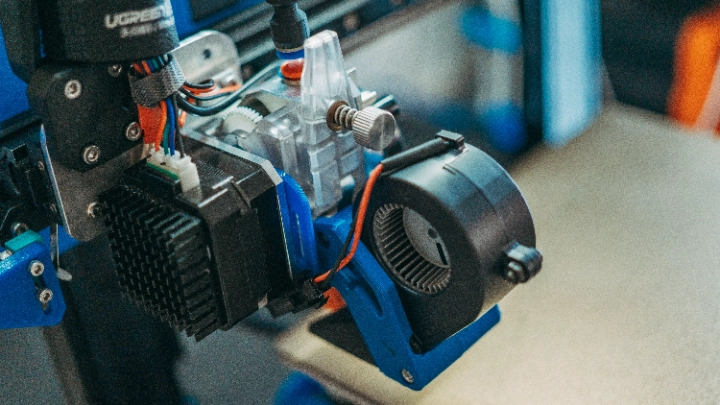
Integrated Finishing
Sanding, polishing, painting, printing, bonding, insert installation, and assembly can be coordinated after printing.
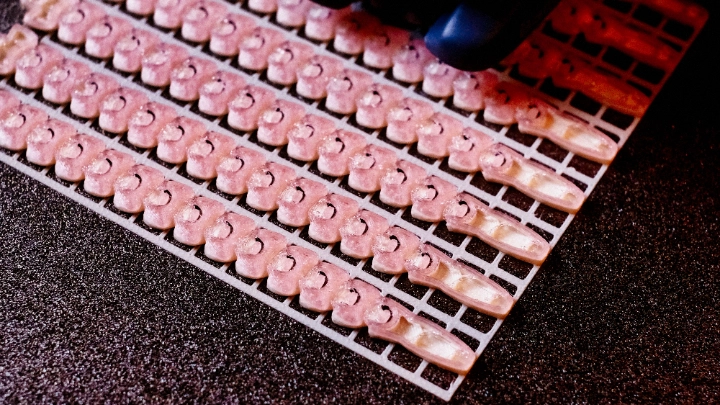
Flexible Production
Support is available for one-off parts, multiple design iterations, customized components, and low-volume projects.

3D Printing FAQs
-
What Files Are Required for a 3D Printing Quote?

-
Please provide a 3D CAD file in a commonly used format, expected quantity, material requirements, surface finish, color, and critical dimensions.
-
Which 3D Printing Process Should I Choose?
-
The appropriate process depends on part size, geometry, detail, strength, surface requirements, transparency, quantity, and final application.
-
Can TOP Prototype Print Functional Parts?
-
Yes. Suitable materials and printing processes can be selected for assembly, fit, ergonomic, and limited mechanical testing.
-
Can Complex Internal Geometry Be Printed?
-
Yes. 3D printing is suitable for channels, lattice structures, internal cavities, organic surfaces, and complex integrated designs.