



Swiss Lathe Processing Services
Swiss Lathe Processing for Precision Turned Parts
High-precision Swiss lathe processing for prototypes, low-volume production, and repeat batch orders. We manufacture accurate cylindrical and complex turned components with stable dimensions, efficient production, and reliable quality control.
Key Capabilities
- Machining accuracy of 0.012–0.016 mm, reaching IT6–IT7
- Flexible support from prototypes to low-volume and batch production
- Precision turning for custom metal parts with consistent repeatability

Request a Quote
Explore Our Capabilities
Core Swiss Lathe Capabilities
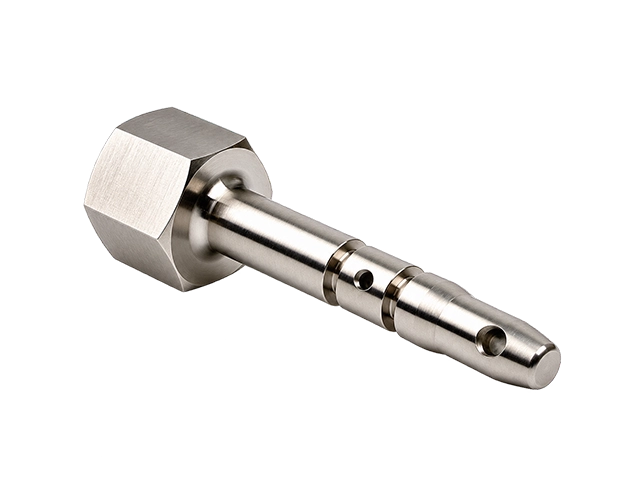
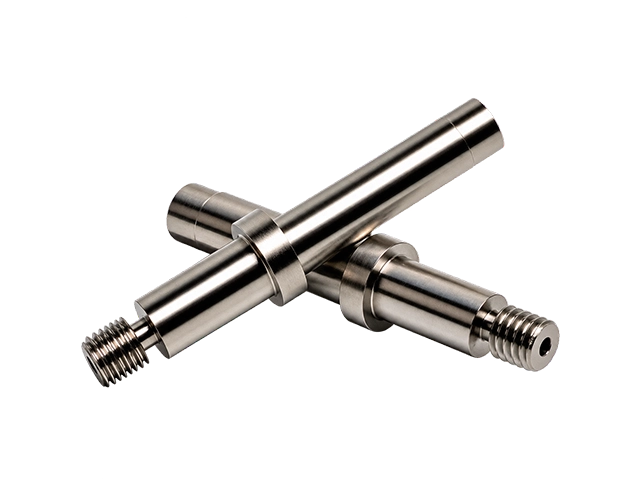
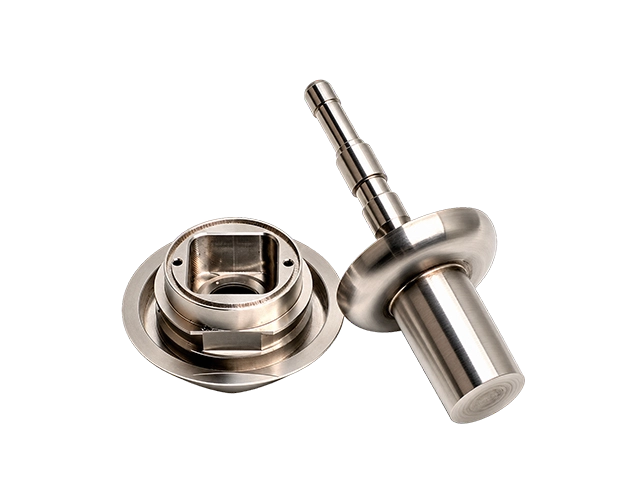
Our Swiss lathe processing services support precision turned parts from prototypes to batch production, delivering stable accuracy and repeatability for custom components.
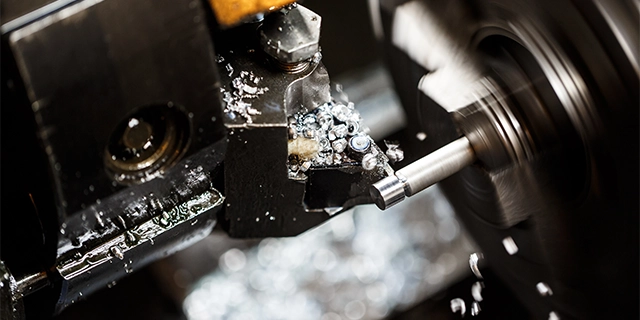
Precision Swiss Turning
Accurate cylindrical and threaded parts.
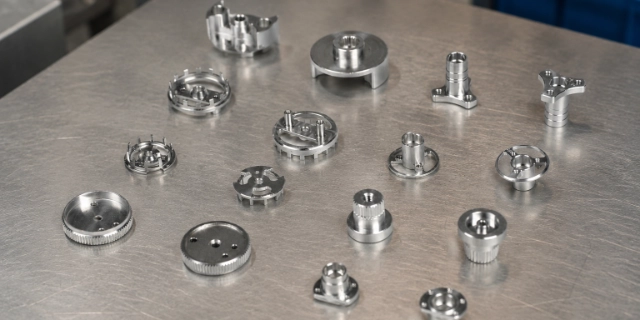
Complex Turned Components
Multiple features completed efficiently.
Parts We Swiss Turn Every Day
From precision pins and shafts to bushings, fittings, connectors, and threaded components. Share your drawing for engineering review before production begins.
Request a Quote
Swiss-Turned Precision Parts
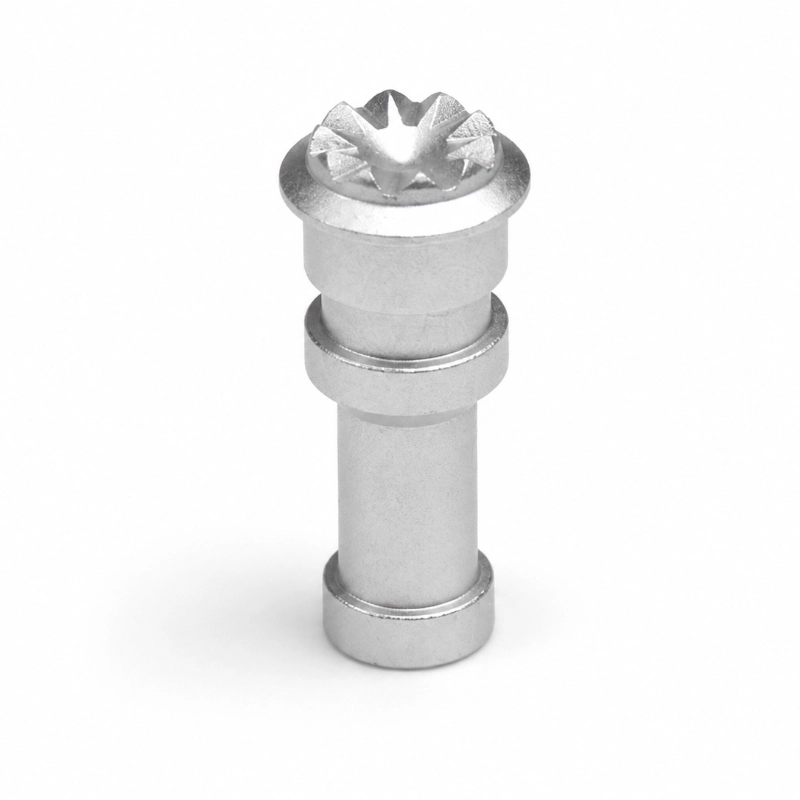
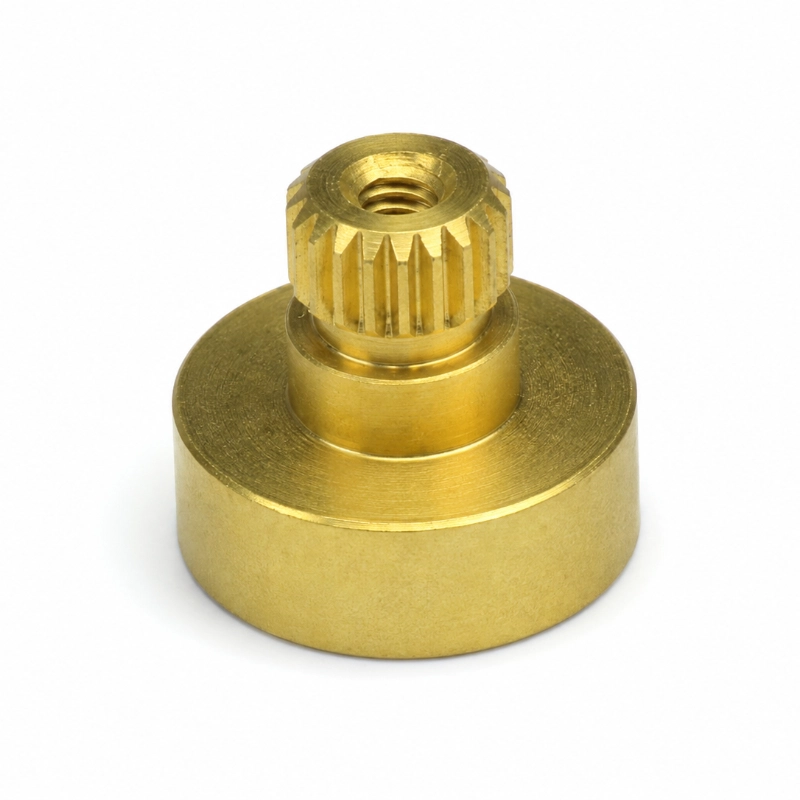
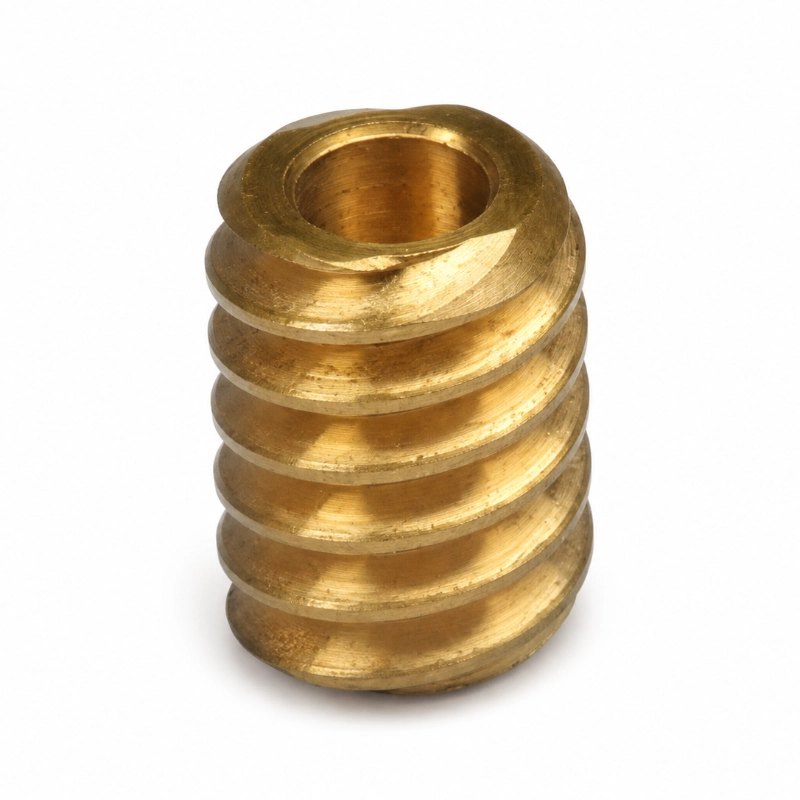
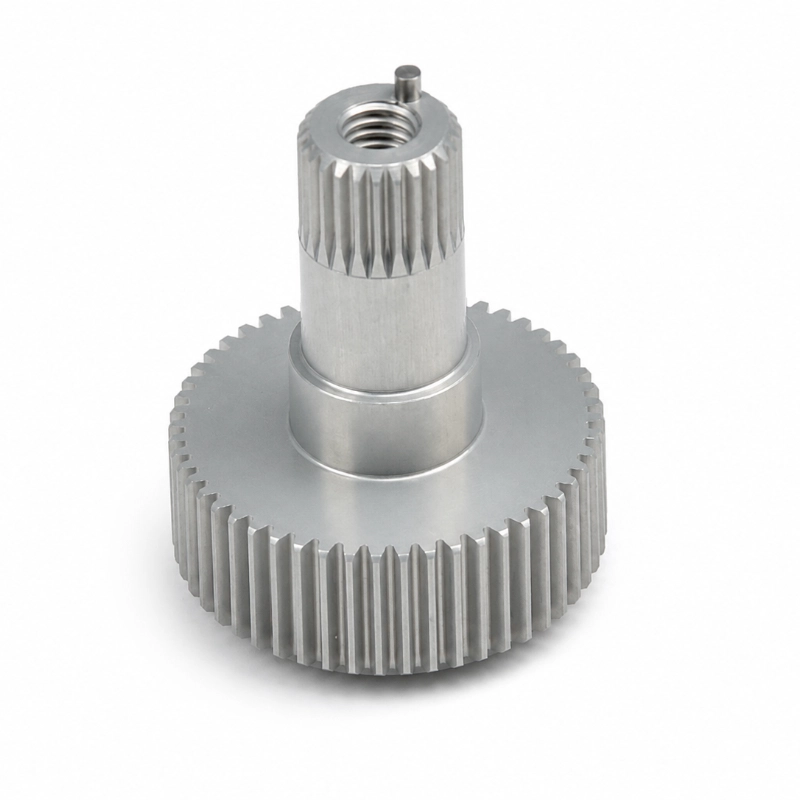
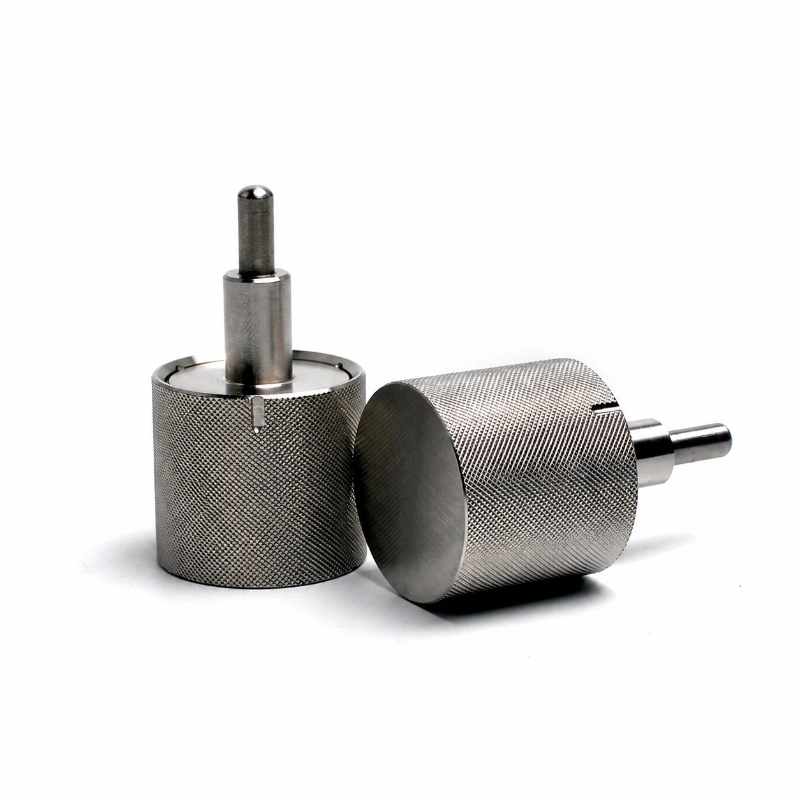
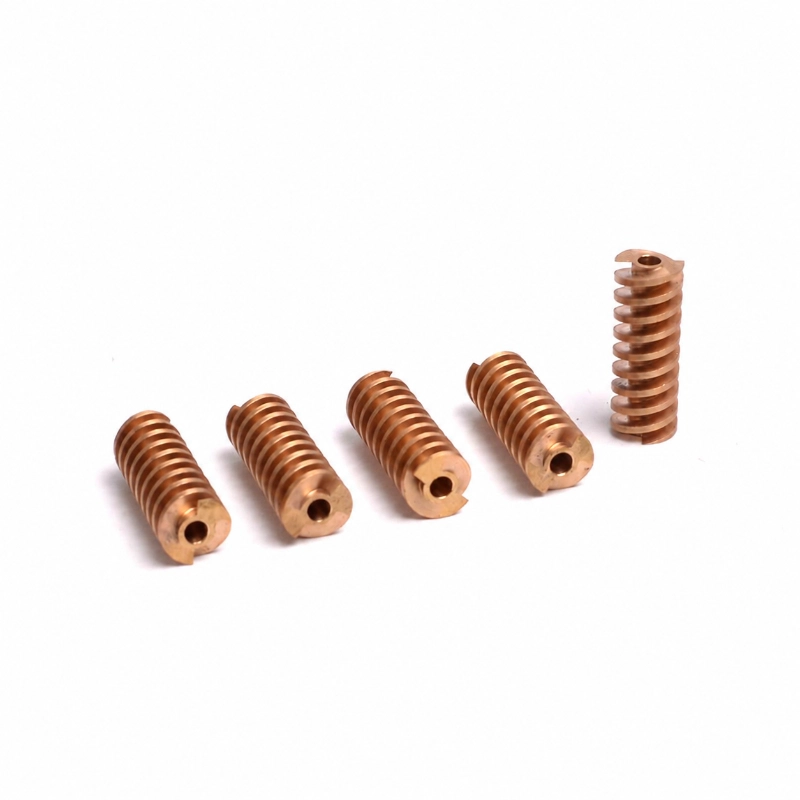
Precision Swiss-turned parts include shafts, threaded inserts, splined components, knurled parts, sleeves, and miniature mechanical components. Swiss lathe processing supports stable concentricity, detailed external features, internal threads, cross holes, and repeatable production for small-diameter parts.

Complex CNC Machined Metal Parts
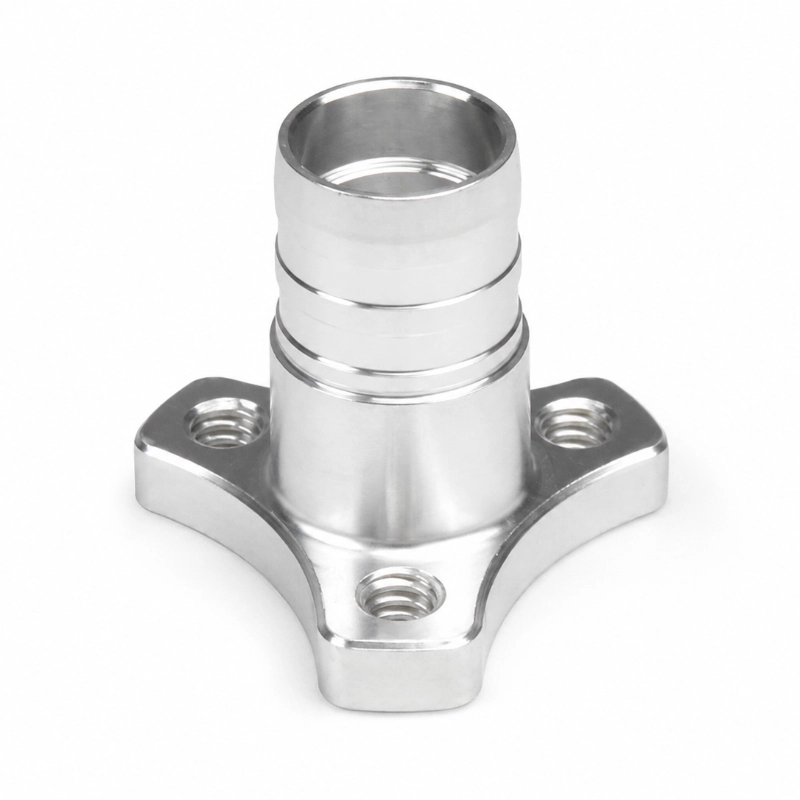
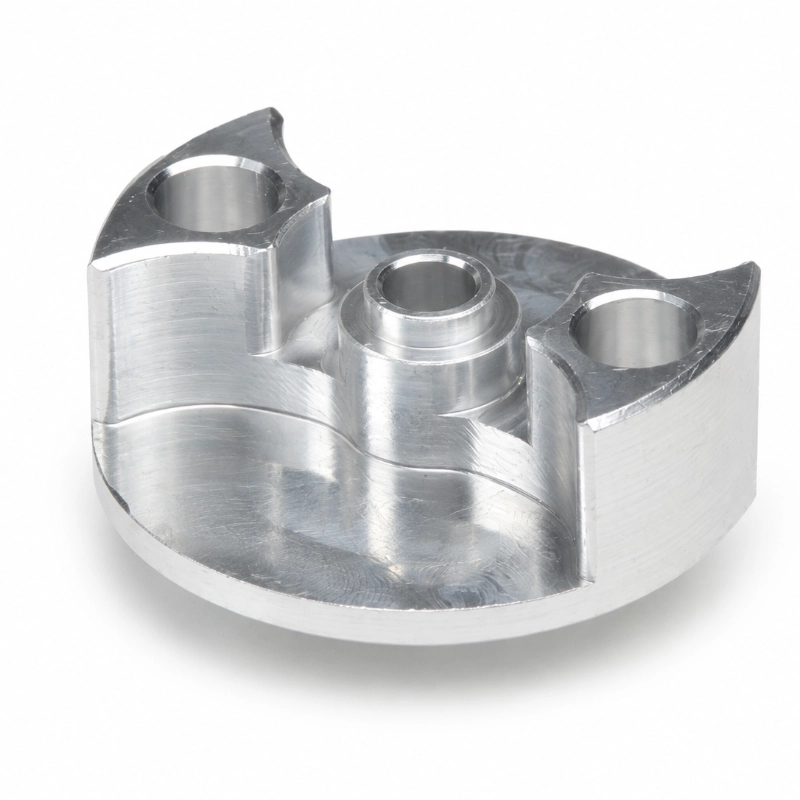
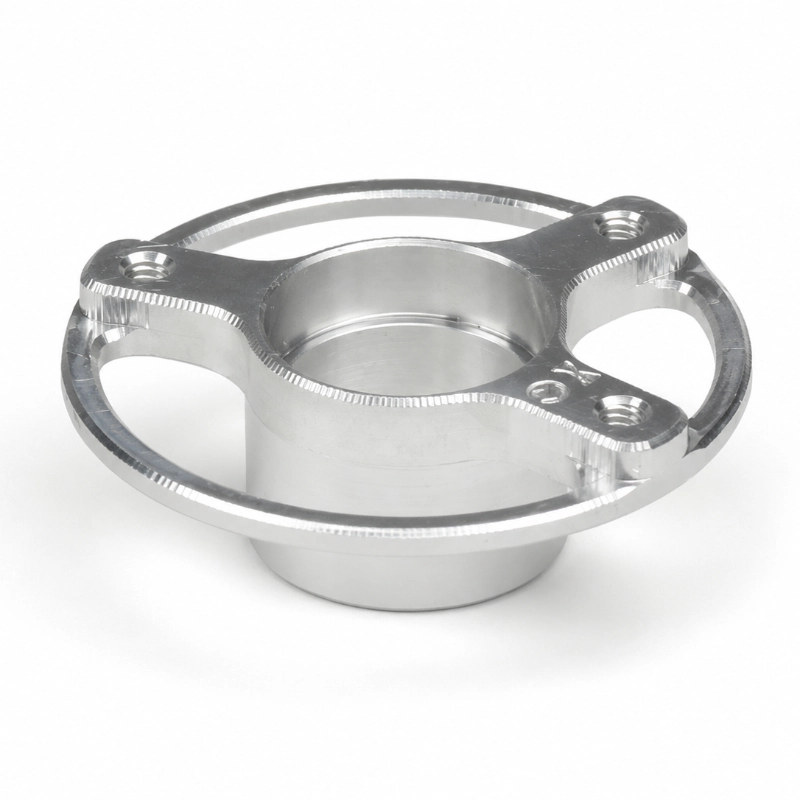
Complex CNC machined metal parts combine turned surfaces with milled profiles, mounting holes, pockets, flanges, and irregular features. Multi-process machining helps reduce repeated setups while maintaining alignment between cylindrical and non-rotational features.
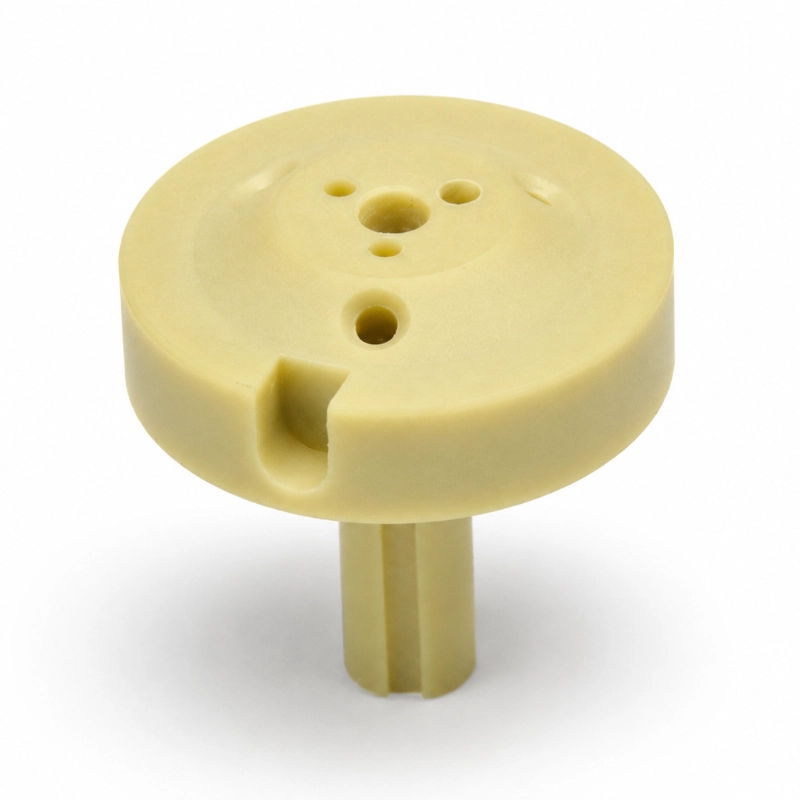
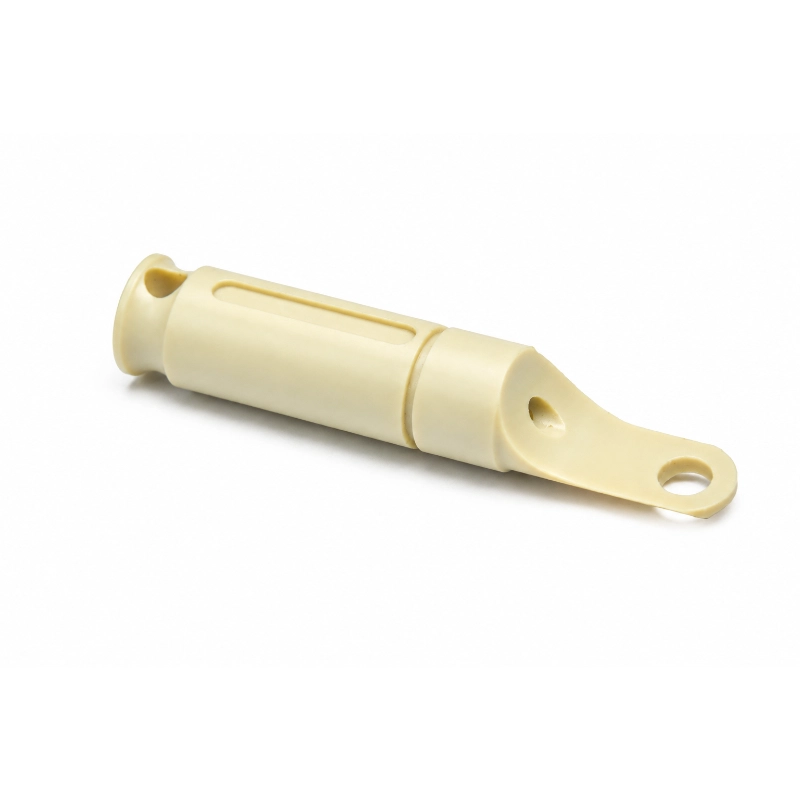
Engineering Plastic & Prototype Parts
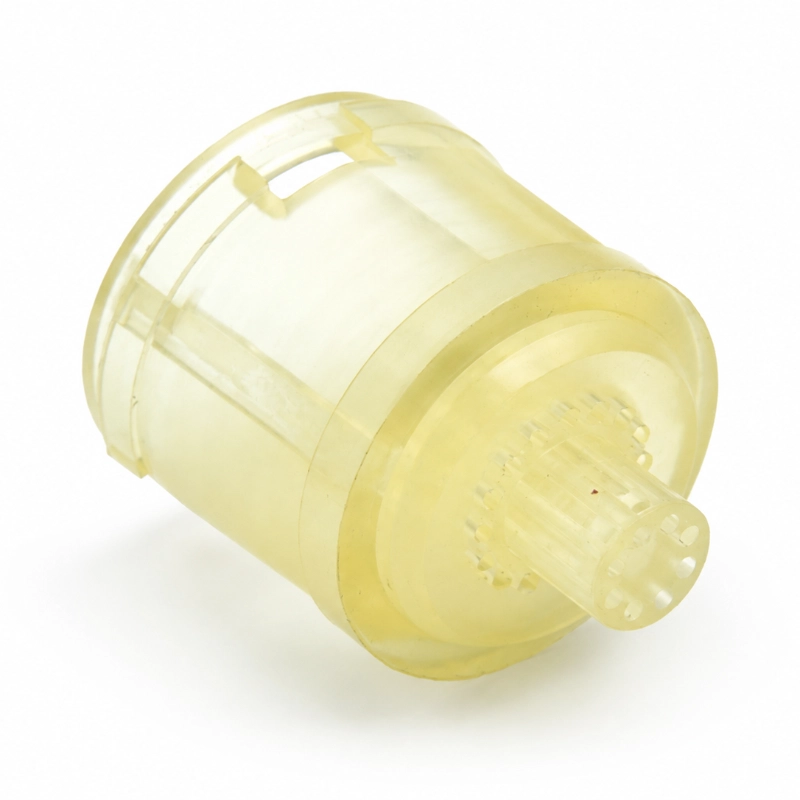
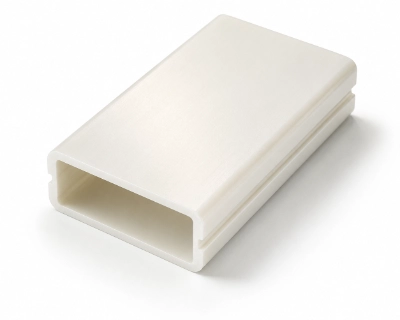
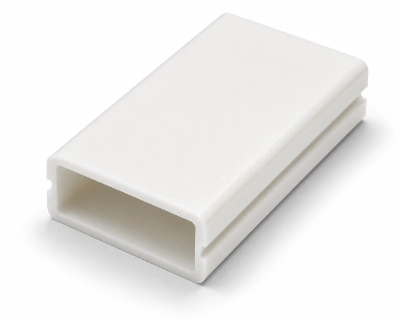
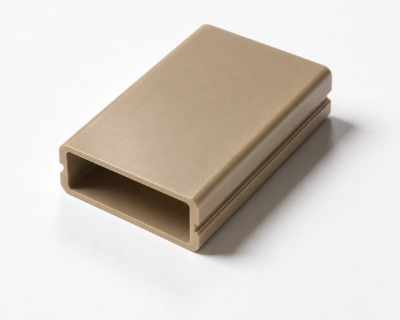
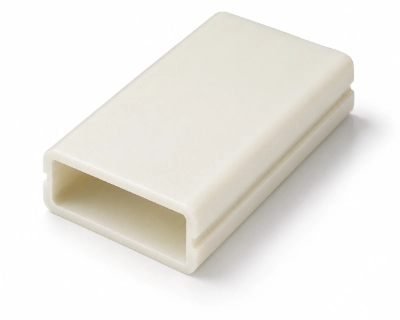
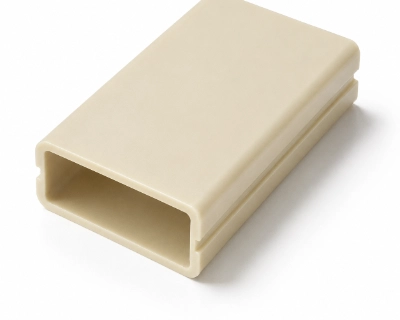
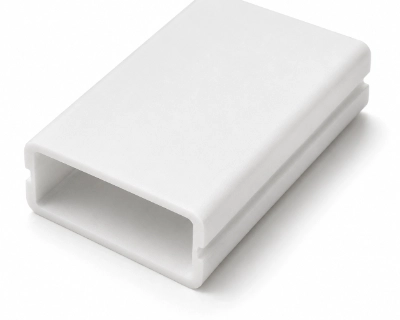
Engineering plastic parts are produced for functional testing, product development, assembly verification, and low-volume applications. CNC machining supports custom holes, slots, internal structures, transparent features, and complex plastic geometries without production tooling.
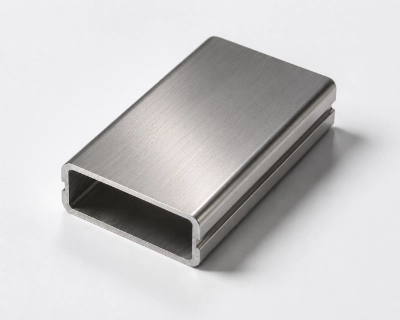
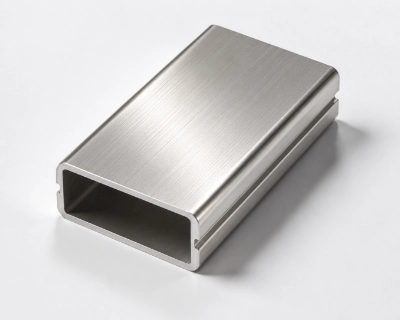
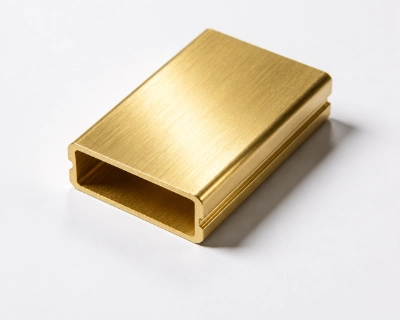
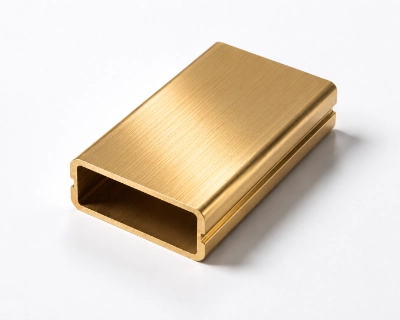
Materials Engineered for CNC Machining
Surface Finishing Options for CNC Swiss Turned Parts

Customized Processes
Tailor treatments for all materials against wear, corrosion and appearance needs.

Accurate Surface Control
Adjust roughness & coating thickness to fit assembly and working conditions.

In-house One-stop Service
Full finishing equipment eliminates outsourcing delays and quality risks.

Strict QC Inspection
2D/3D testing guarantees stable quality for prototypes & small batches.
| Surface Treatment Process | Applicable Materials | Surface Roughness Ra (μm) | Key Features | Typical Applications | Price Level |
| Mirror Polishing | Aluminum, Stainless Steel, Copper, Brass | 0.006–0.1 | Ultra-smooth mirror gloss surface, completely removes tool lines, excellent corrosion resistance | Precision shafts, medical fittings, optical components, cosmetic hardware | High |
| Precision Grinding | All metal alloys | 0.1–0.8 | Micro cutting processing, dimensional tolerance up to IT5, uniform consistent surface finish | Aerospace miniature shafts, automotive valve cores, precision fasteners | Medium-High |
| Sandblasting | Aluminum, Carbon Steel, Copper, Engineering Plastics | 1.6–6.3 | Uniform matte texture, conceals machining traces, improves adhesion of subsequent coatings | Consumer electronic components, automotive connectors, equipment housings | Medium |
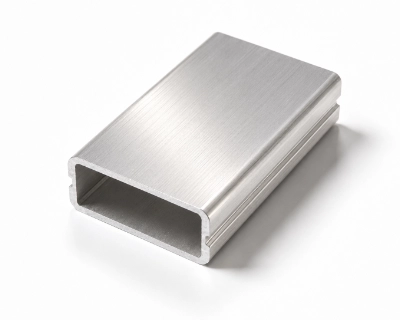
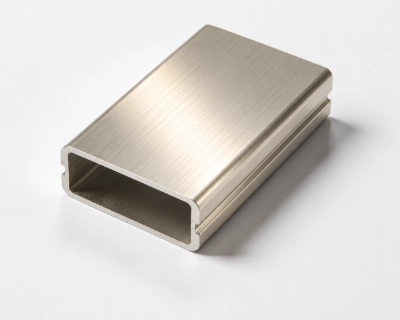
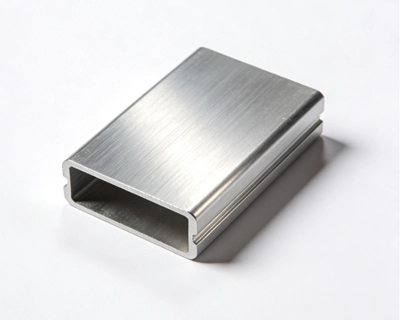
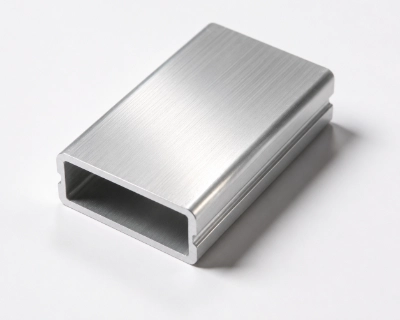
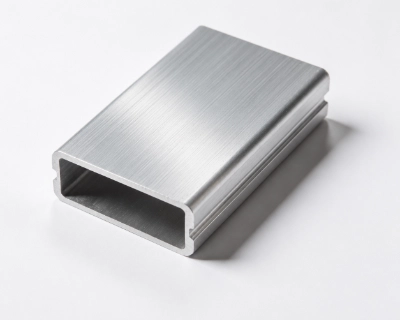
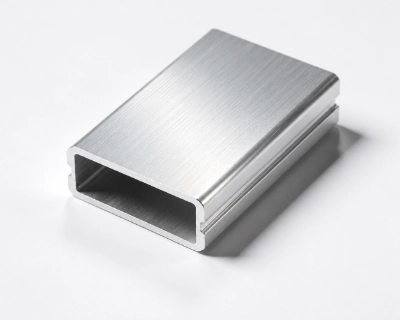
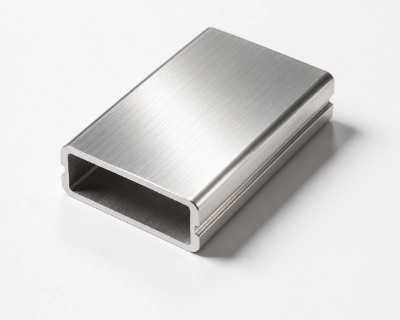
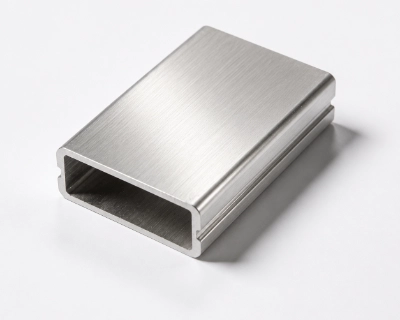
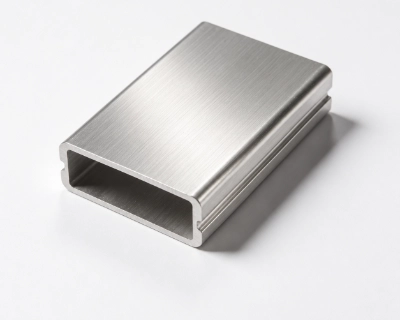
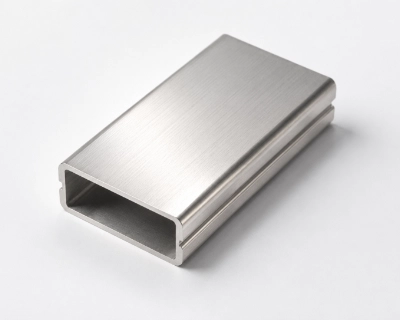
| Linear Brushed Finish | Aluminum, Stainless Steel, Copper Alloy | 0.4–1.6 | Distinct linear metallic texture, fingerprint-resistant performance | 3C structural shafts, home appliance decorative parts, equipment trim pieces | Medium |
| Clear Anodizing | 6061 / 6063 / 6082 Aluminum Alloy | 0.4–1.6 | Thin wear-resistant oxide film, maintains original metallic luster, electrical insulation & anti-corrosion | New energy motor shafts, sensor pins, instrumentation fittings | Medium |
| Colored Hard Anodizing | Aluminum Alloy Series | 0.8–3.2 | Thick 20–80μm hard oxide layer, customizable multiple colors, outstanding abrasion resistance | Heat sink shafts, automated moving components, mechanical precision pins | Medium-High |
| Micro-Arc Oxidation (MAO) | Aluminum, Magnesium Alloy | 0.8–3.2 | Hard ceramic protective coating, top-tier wear and corrosion resistance for harsh environments | Automotive hydraulic shafts, medical precision parts, outdoor machinery components | High |
| Electroless Nickel Plating | Carbon Steel, Aluminum, Copper, Iron Alloys | 0.1–0.8 | Even plating coverage on tiny complex features, anti-rust and wear-resistant | Miniature threaded pins, micro gear shafts, hydraulic valve spools | Medium-High |
| Bright Chrome Plating | Carbon Steel, Brass, Copper | 0.05–0.2 | Mirror bright metallic surface, high surface hardness, long anti-corrosion lifespan | Decorative precision shafts, optical connectors, control valve parts | High |
| Stainless Steel Passivation | 304 / 316L Stainless Steel | 0.2–1.6 | Eliminates free iron impurities, boosts rust resistance, zero dimensional variation | Medical equipment shafts, food-grade fluid fittings, sanitary hardware | Low |
| Black Oxide Coating | Carbon Steel, Alloy Steel | 1.6–6.3 | Ultra-thin protective film, no dimensional shift, low processing cost | Standard transmission shafts, miniature mechanical fasteners | Low |
| Electrophoretic Coating | Aluminum, Carbon Steel | 1.6–3.2 | Uniform thin paint film, rich matte color options, reliable anti-corrosion performance | Automotive small structural shafts, electronic terminal connectors | Medium |
| Laser Etching & Marking | All Metals & Engineering Plastics | No roughness change | Permanent indelible logos, texts and scales, no material surface damage | Serial number marking, brand logos, parameter scales on shaft workpieces | Low (Secondary Auxiliary Process) |
| Silk Screen Printing | Polished / Anodized Metal & Plastic Surfaces | Depends on base workpiece finish | Custom colored texts and graphic patterns for identification | Consumer electronic appearance shafts, instrument control parts | Medium (Secondary Auxiliary Process) |
Supplementary Notes
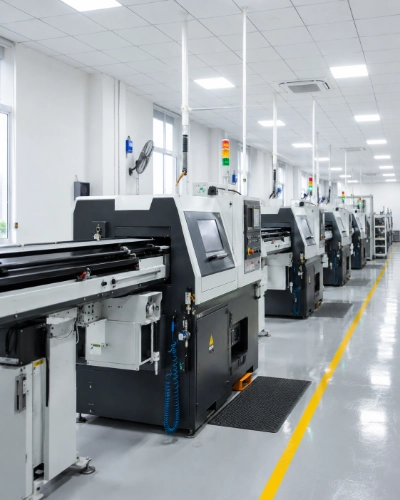
- CNC Swiss lathes are specialized for slender miniature shaft workpieces with complex stepped and threaded structures. Passivation and electroless nickel plating are ideal processes to fully cover intricate inner and outer tiny features.
- Original surface roughness of raw Swiss turned workpieces without secondary finishing ranges from Ra1.6μm to Ra3.2μm.
- Cost hierarchy: Low < Medium < Medium-High < High
Black Oxide / Passivation < Sandblasting / Brushing / Standard Anodizing < Electroless Nickel / Precision Grinding < Mirror Polishing / Micro-Arc Oxidation / Bright Chrome Plating
When Swiss CNC Turning Is the Right Manufacturing Choice
- Tiny slender shafts, pins and stepped micro parts
- Ultra-tight concentricity & micron-level dimensional tolerances
- Complex features: fine threads, deep small bores, tiny grooves
- Low/medium batches of metal precision hardware (aluminum, steel, stainless steel, brass)
Why Engineers Choose Swiss Lathe Machining:
01
Machining thin small parts without bending
02
Micron tolerance & stable concentricity
03
One-step complex micro threads & holes
04
Production-grade parts with low tooling cost
Ready to Validate Your Swiss Turning Design?
Send us your CAD drawings to get manufacturability analysis, tolerance advice and quick quotes prior to production.
-

Professional manufacturability assessment
-
Custom tolerance optimization
-
Early production risk elimination
-
Fast competitive quotation support
Why Choose TOP Prototype for Swiss Lathe Processing?
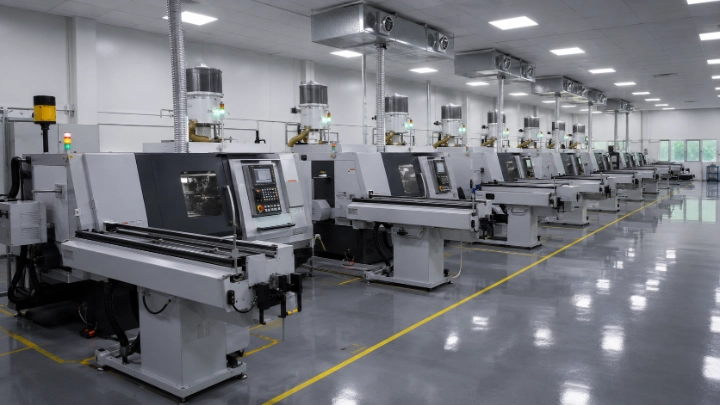
Full In-house Equipment
Complete CNC & surface treatment machines for all processes.
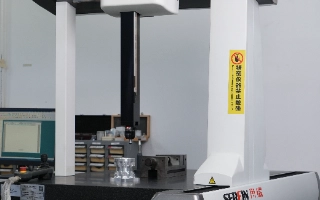
Certified High Precision
ISO9001 + CMM inspection for micron accuracy.
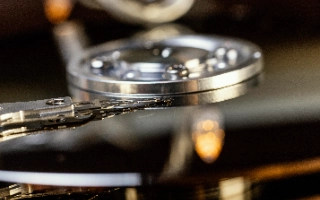
Custom Surface Finishes
Tailored coating & texture for functional & visual needs.
Fast & Confidentia
Flexible small batches, full design data protection.
TOP Prototype Resources and FAQs
- # Industry News
- # Medical Device CNC Machining
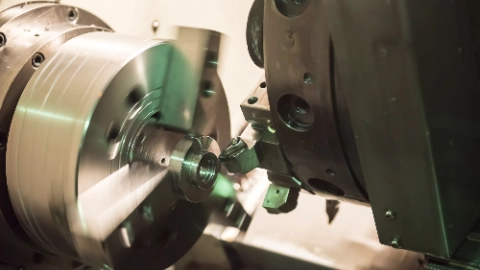
CNC Machining Industry News 2026: Machine Tool Orders Rise as Automation Investment Accelerates
The CNC and machine tool industry entered the middle of 2026 with stronger equipment-order activity and growing investment in automation, artificial intelligence, and connected production systems. According to the Association ...
2026-02-25
Read More

- # Aerospace CNC Machining
- # Industry Insights
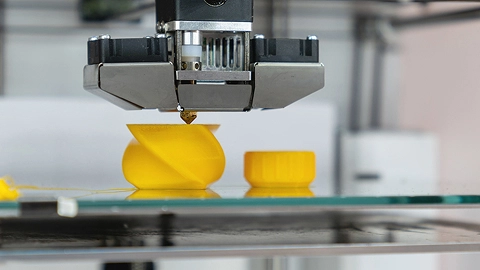
CNC Machining Industry Insights 2026: From Standalone Machines to Connected Production
CNC machining has traditionally been evaluated through several familiar indicators: machine accuracy, spindle speed, axis travel, tool capacity, and achievable tolerance. These factors remain important, but they no longer provide ...
2026-03-06
Read More
- # Automotive CNC Machining
- # Precision Automotive Parts
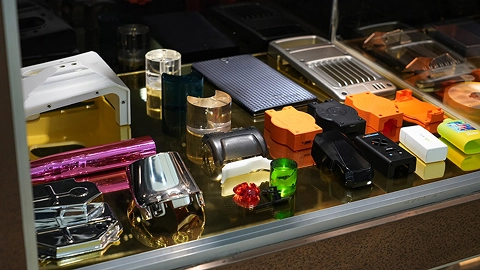
CNC Machining for Automotive Parts: From Engineering Drawings to Precision Components
The automotive industry depends on thousands of precisely manufactured parts working together under demanding mechanical, thermal, and environmental conditions. From engine housings and transmission components to electric vehicle battery parts ...
2026-03-06
Read More
-
What types of design files do you accept for quotation and manufacturing?

-
We support mainstream 3D CAD formats including STEP, IGES, SolidWorks, UG, CATIA, and PRT files. To offer accurate tolerance evaluation and formal quotes, we highly recommend you to provide complete 2D engineering drawings with marked dimensional tolerances, surface roughness requirements and surface finishing standards. If you only have simple renderings without dimensional data, our engineers will communicate with you to confirm all key parameters before quoting.
-
Is there a minimum order quantity (MOQ) for Swiss turning and CNC machining parts?
-
There is no mandatory minimum order quantity in our factory. We fully support single prototype sample production for new product verification, as well as small-batch and medium-batch customized manufacturing. Whether you only need one test piece or hundreds of finished components, we can arrange independent production lines to match your flexible order demands.
-
What raw materials can be processed with your Swiss lathe equipment?
-
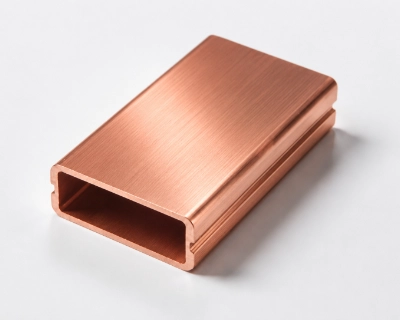
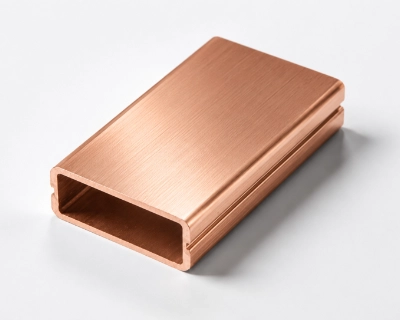
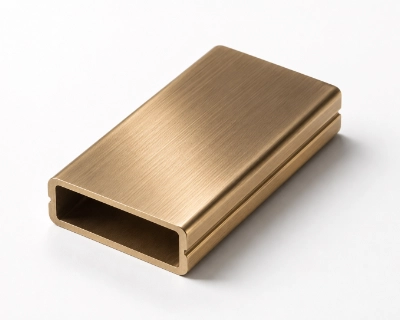
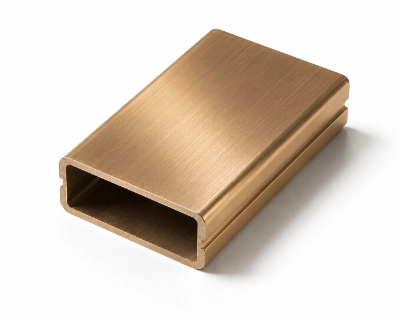
Our Swiss turning machines can process a wide range of metal and engineering plastic materials. Common metal options cover aluminum alloys (6061, 6063, 6082), carbon steel, stainless steel (304, 316L), brass, copper and alloy steel. For plastic parts, we support high-performance engineering plastics such as POM, PC, ABS, PMMA, PEEK, which are widely used in precision electronic and medical miniature components.
-
Can you provide customized surface finishing solutions for machined parts?
-
Yes, we own complete in-house surface treatment workshops without outsourcing all processes. We can customize different finishing technologies according to your functional and aesthetic needs, including mirror polishing, sandblasting, wire drawing, clear/colored hard anodizing, electroless nickel plating, chrome plating, stainless steel passivation, black oxide, electrophoresis, laser marking and silk printing. We can adjust coating thickness, surface roughness and texture to fit your assembly and service environment requirements.
-
What quality inspection equipment and systems do you use to guarantee dimensional precision?
-
We have passed ISO9001 quality management system certification. Our inspection lab is equipped with CMM three-coordinate measuring machines, 2.5D image measuring instruments, precision micrometers, thread gauges and height gauges. Every batch of finished parts will go through full sampling dimensional inspection, surface roughness testing and coating thickness detection to ensure all indexes meet your drawing
-
How do you protect the confidentiality of my product drawings and project information?
-
We implement multi-layer confidentiality management for all customer design materials. We can sign formal non-disclosure agreements (NDA) with clients before cooperation. Internally, all CAD files are stored in encrypted servers with access authority control; production staff cannot copy or export design data. We prohibit the disclosure of any customer product information to third parties, and we will not display your finished products in public cases without written permission.