
Excellent 4.8 out of 5

Trustpilot
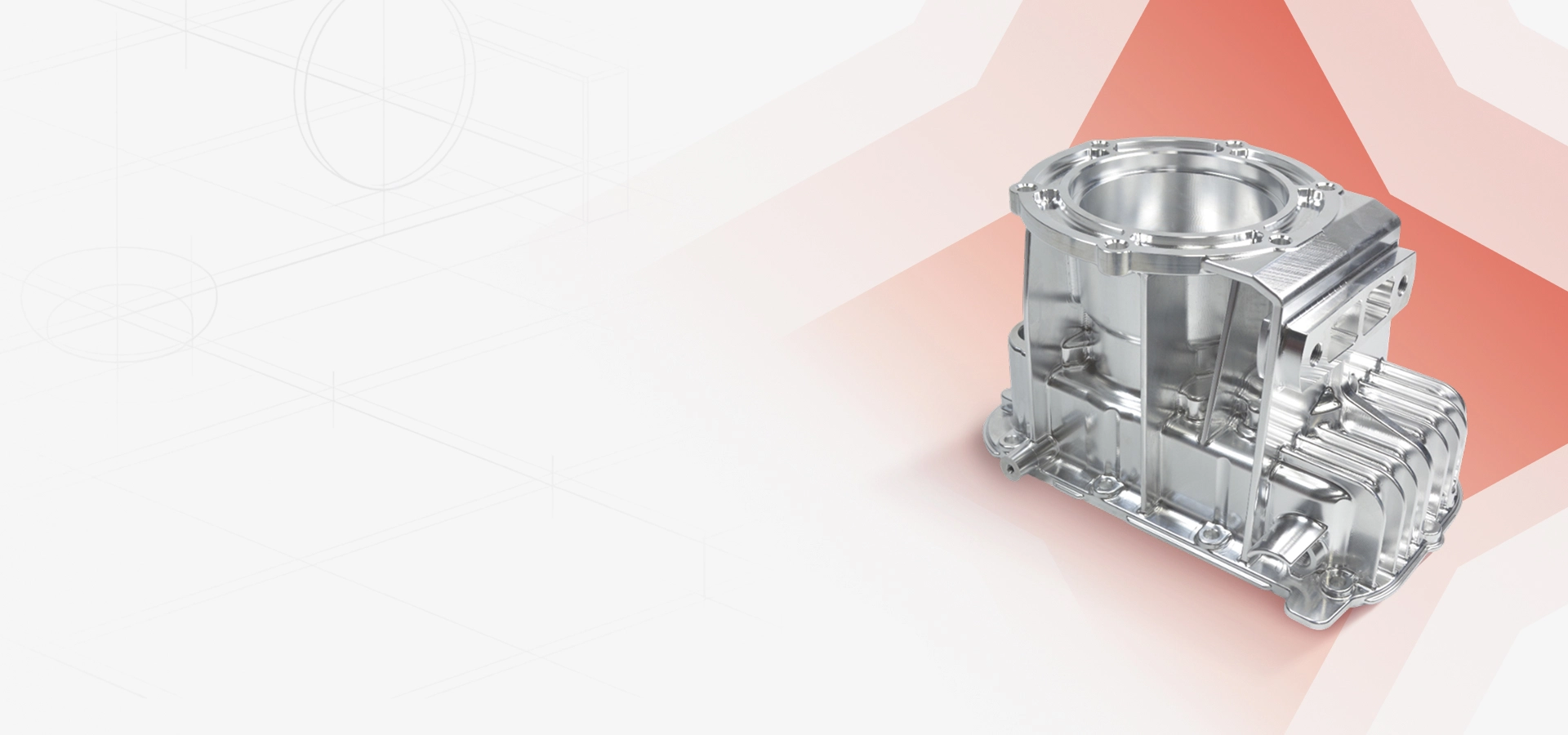
From Prototype to Production, We Make Your Ideas Real
Rapid prototyping, CNC machining, and low-volume manufacturing solutions with precision, speed, and reliability.
✓ Fast Turnaround
✓ Precision Manufacturing
✓ Low Volume Production
✓ ±0.01mm Precision


Get Quote for Your Project
Excellent 4.8 out of 5
Trustpilot
When Your Design Requires Manufacturing Decisions
From early prototype to production-ready parts,
our engineers help you choose the right process — before cutting metal.
Get Quote for Your Project

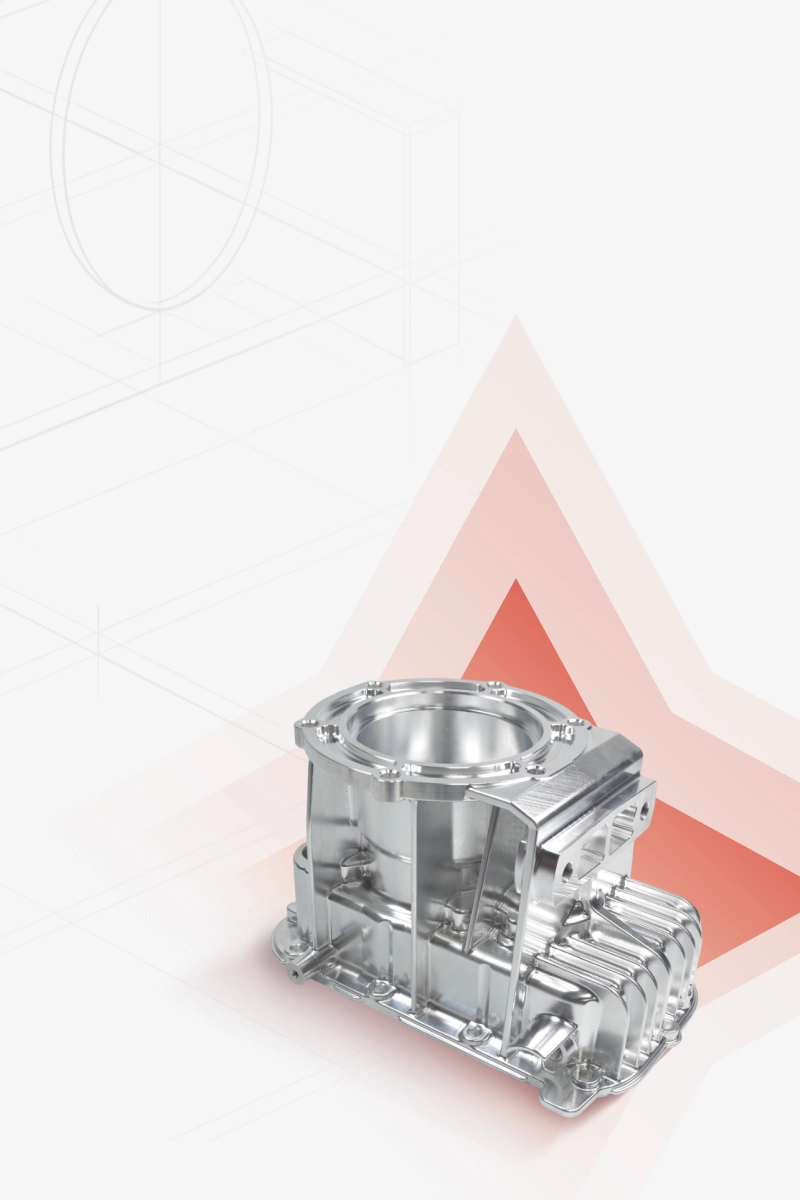
From Prototype to Production, We Make Your Ideas Real
Rapid prototyping, CNC machining, and low-volume manufacturing solutions with precision, speed, and reliability.
Get Quote for Your Project
Excellent 4.8 out of 5
Trustpilot
When Your Design Requires Manufacturing Decisions
From early prototype to production-ready parts,
our engineers help you choose the right process — before cutting metal.
Get Quote for Your Project

INNOVATIVE COMPANIES WE SUPPORT





Our Manufacturing Services
From prototyping to production, we help you manufacture complex parts faster, with reliable quality and flexible solutions.
-

ISO 9001 Certified
-
15+ Years
-
3000+ Clients
-
300+ Suppliers
CNC Machining
-
/
Milling
-
/
Turning
-
/
Precision
- ±0.005mm Tolerance
- Complex Geometries Supported
- Prototype to End-use Parts
CNC Machining
-
/
Milling
-
/
Turning
-
/
Precision
- ±0.005mm Tolerance
- Complex Geometries Supported
- Prototype to End-use Parts
Learn More
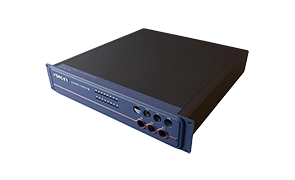
Sheet Metal Processing
-
/
Laser
-
/
Bending
-
/
Welding
- ±0.01mm Precision
- Wide Material Selection
- From Prototype to Production
Sheet Metal Processing
-
/
Laser
-
/
Bending
-
/
Welding
- ±0.01mm Precision
- Wide Material Selection
- From Prototype to Production
Learn More
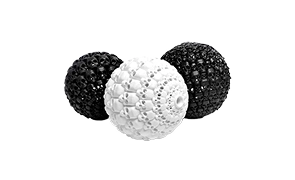
3D Printing
-
/
SLA
-
/
SLS
-
/
SLM
- Fast Turnaround
- Ideal for Functional Prototypes
- Low-volume Production Ready
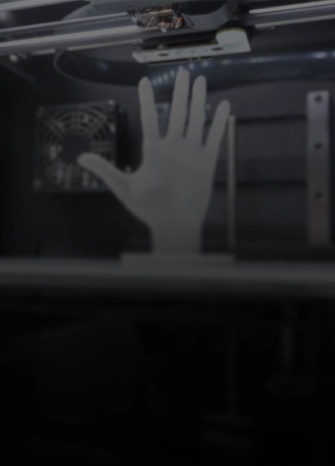
3D Printing
-
/
SLA
-
/
SLS
-
/
SLM
- Fast Turnaround
- Ideal for Functional Prototypes
- Low-volume Production Ready
Learn More
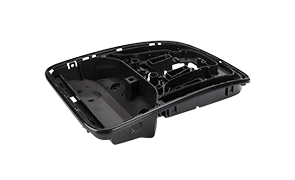
Injection Molding
-
/
High Volume
-
/
Multi-material
- ±0.005mm Accuracy
- From 1 to 10,000+ Parts
- Insert & Overmolding Supported
Injection Molding
-
/
High Volume
-
/
Multi-material
- ±0.005mm Accuracy
- From 1 to 10,000+ Parts
- Insert & Overmolding Supported
Learn More
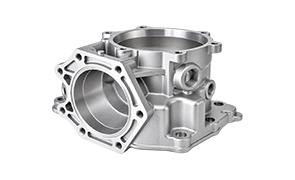
Die Casting
-
/
Aluminum
-
/
Zinc
-
/
Magnesium
- High-volume Production
- Consistent Part Quality
- Complex Metal Structures
Die Casting
-
/
Aluminum
-
/
Zinc
-
/
Magnesium
- High-volume Production
- Consistent Part Quality
- Complex Metal Structures
Learn More
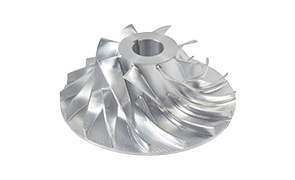
5-Axis CNC Machining
-
/
Multi-angle
-
/
One Setup
- Complex Geometry Machining
- Reduced Setup Time
- High Precision Output
5-Axis CNC Machining
-
/
Multi-angle
-
/
One Setup
- Complex Geometry Machining
- Reduced Setup Time
- High Precision Output
Learn More
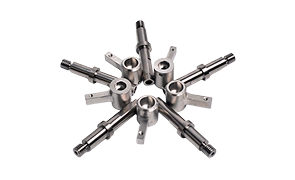
Swiss Lathe Processing
-
/
High-speed
-
/
Ultra-precise
- Ideal for Small Parts
- Excellent Repeatability
- Tight Tolerance Control
Swiss Lathe Processing
-
/
High-speed
-
/
Ultra-precise
- Ideal for Small Parts
- Excellent Repeatability
- Tight Tolerance Control
Learn More
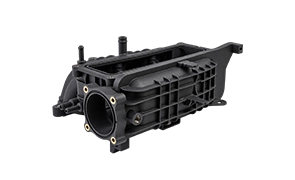
Vacuum Casting
-
/
Silicone Mold
-
/
Low Volume
- Cost-effective Prototyping
- Multi-material Capability
- Short Lead Time
Vacuum Casting
-
/
Silicone Mold
-
/
Low Volume
- Cost-effective Prototyping
- Multi-material Capability
- Short Lead Time
Learn More
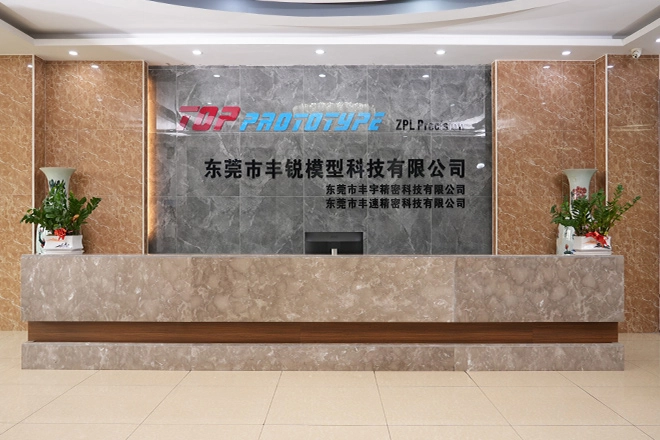

About Company
Precision Manufacturing
Built for Your Production
TOP Prototype is an ISO 9001-certified manufacturer specializing in rapid prototyping and on-demand production. By combining in-house capabilities with a global supplier network, we deliver high-precision parts efficiently—from design to mass production.
Years
Suppliers
Countries
Clients
-

ISO 9001
-
FDA
-
FSC
-
SGS
Why Choose TOP Prototype?
Not Just a Supplier — We Work Like Part of Your Team.
From early design to final parts, everything stays clear, responsive, and under control. So you spend less time chasing updates, and more time moving your project forward.

Strict Tolerance Requirements

Complex Geometry Machining

Comprehensive Manufacturing Equipment

Fast Production and On-Time Delivery

Strict Project Confidentiality

Cost-Effective Manufacturing Solutions
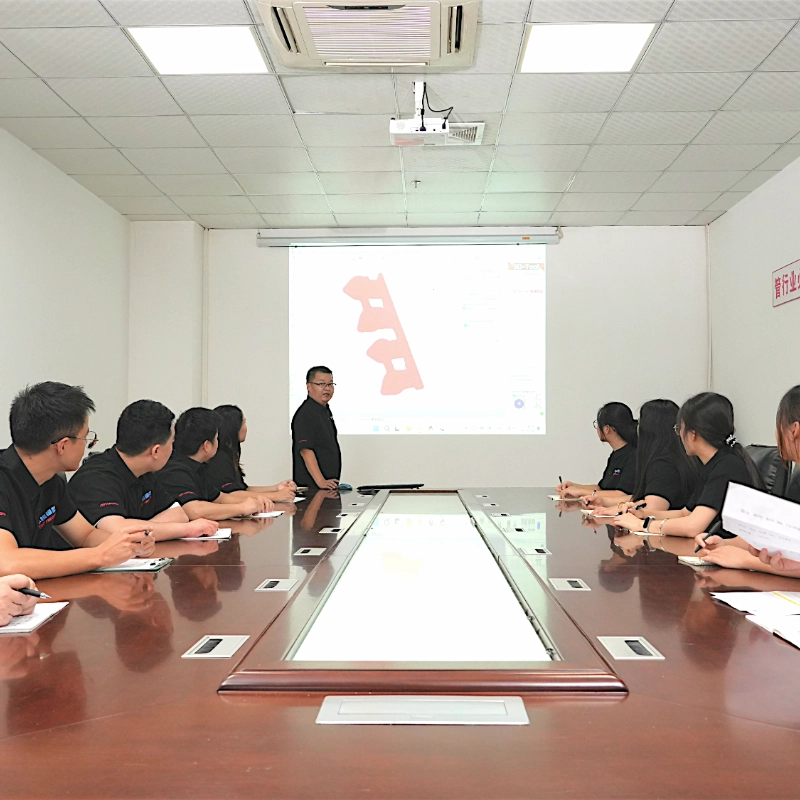
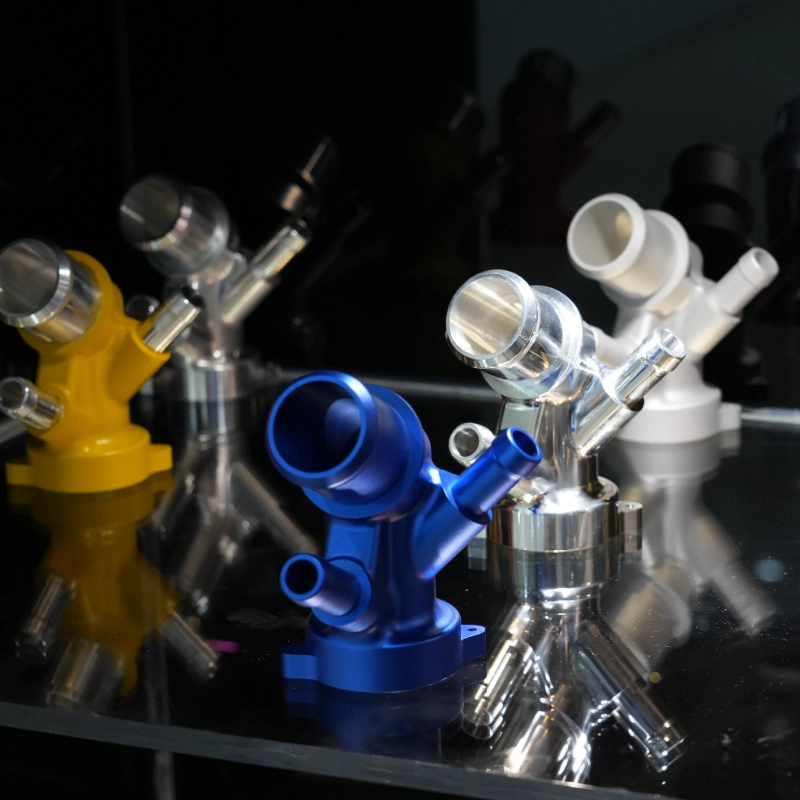
How to Work With Us
- 4 Simple Steps -

STEP 1
Upload CAD Files


STEP 2
DFM Review & Quote

STEP 3
Approval & Production

STEP 4
Inspection & Delivery




All Manufacturing, One Place
From CNC machining to 3D printing, molding, and casting — we match the right process to your project.
-

Multiple Manufacturing Processes
-
Engineering-Led Approach
-
Flexible from Prototype to Volume
Explore Our Capabilities
From CNC to Prototype Production
-
Fast Prototyping
-
Flexible Production
-
All in One Place
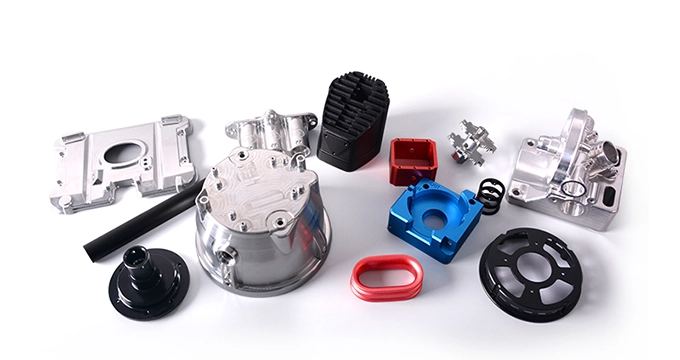
Rapid Prototyping
Get functional parts in days for fast testing and validation.
-
Parts in as fast as a few days
-
Ideal for design testing and iteration
-
Multiple processes available

Get Instant Quote
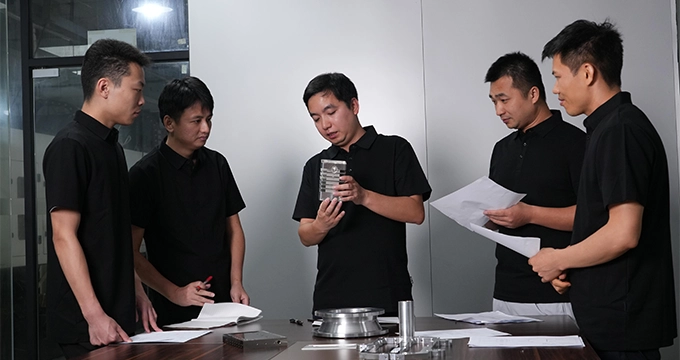
Engineering Support
Turn your design into something that's ready for production.
-
DFM feedback & design optimization
-
Cost-efficient process selection
-
Support for complex geometries
Get Instant Quote
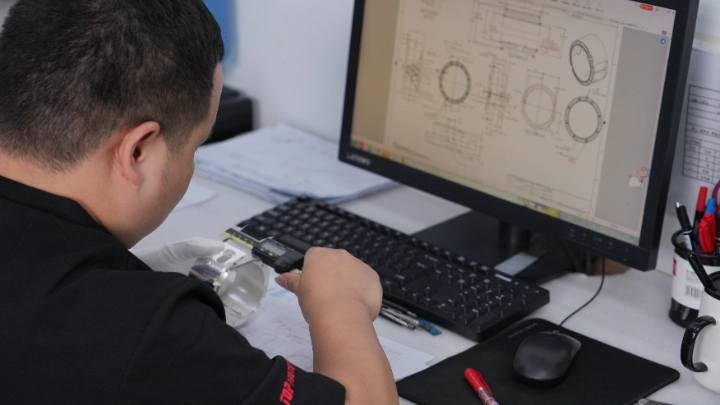
On-Demand Production
Scale your project with stable and reliable production.
-
Flexible volumes from low to high
-
Consistent quality across batches
-
Reliable lead times
Get Instant Quote
Decide with Confidence.

Mechanical Engineer, Germany
March 14, 2025

"Excellent CNC machining quality. The prototype parts matched our drawings accurately, and the inspection report helped us verify critical dimensions before assembly."

Product Development Manager, USA
December 29, 2025
"We needed functional prototypes within a short timeline. The team provided quick feedback on material selection and manufacturing methods."

Industrial Designer, Italy
November 13, 2024
The surface finishing exceeded expectations. The final prototype looked and felt close to our production design."

Procurement Specialist, Netherlands
February 17, 2026
Communication was efficient throughout the project. Production updates helped us keep our schedule on track."

Automation Engineer, Japan
August 21, 2025
The machined components maintained consistent tolerances across multiple batches, which was critical for our equipment assembly."

R&D Manager, Australia
June 12, 2025
The team supported material testing and prototype improvements before moving into low-volume production."

Procurement Manager, Netherlands
March 11, 2026
Reliable supplier for custom parts. Pricing was competitive, delivery was on schedule, and the quality remained consistent throughout the project."

R&D Engineer, South Korea
August 20, 2024
The team supported material selection and manufacturing optimization. The final prototypes performed well during our internal testing."

Robotics Engineer, USA
March 4, 2026
We ordered complex mechanical components for a robotics project. The machining accuracy and assembly fit exceeded our expectations."

Product Development Specialist, Sweden
April 16, 2026
The supplier helped us move from concept models to functional prototypes quickly. Their manufacturing suggestions improved the final design."

Automation Engineer, Singapore
October 24, 2025
The machined brackets and housings maintained stable quality across repeated orders. This consistency was important for our equipment integration."

Electronics Hardware Engineer, Taiwan
May 30, 2025
The aluminum enclosure prototypes had excellent machining details and anodized finishing. The samples were ready for testing with minimal post-processing."

Design Engineer, Australia
March 23, 2023
Fast response time and professional engineering support. The team understood our drawings and delivered parts that matched our expectations."
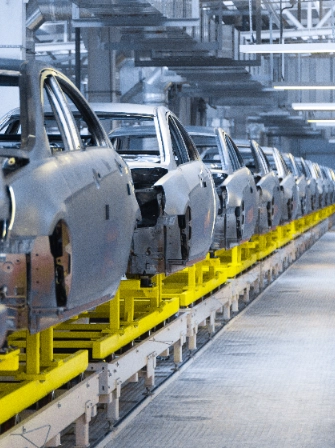
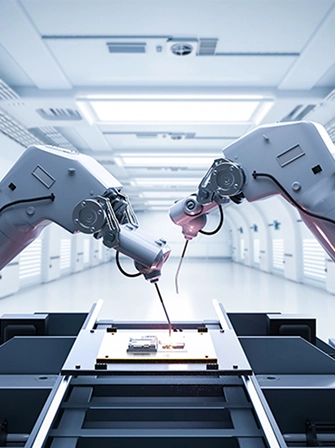
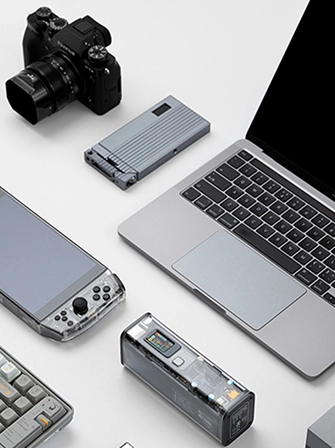
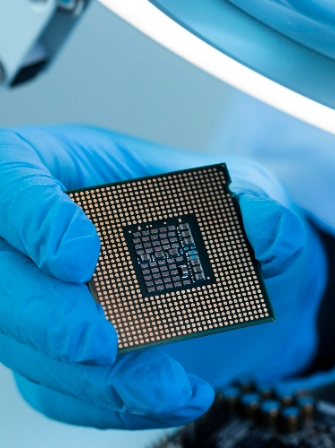
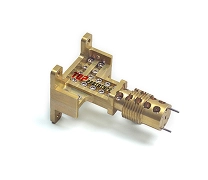
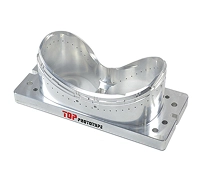
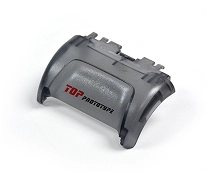
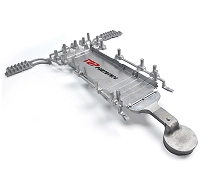
Cooperation in a Wide Range of Industries
TOP Prototype has successfully partnered with and served over 3,000 companies, committed to delivering exceptional quality from prototype design to mass production.





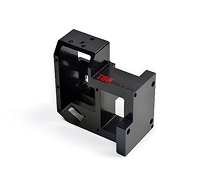
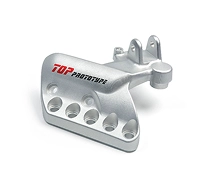

Ready to Start Your CNC Project?
Work with a team that understands your drawings, your deadlines, and your standards. Send us your files — we'll take it from there.
-

Fast quotes within 24 hours
-

Support for complex, tight-tolerance parts
-

Engineering feedback before production
-

All common CAD formats accepted
Digital Manufacturing Resources
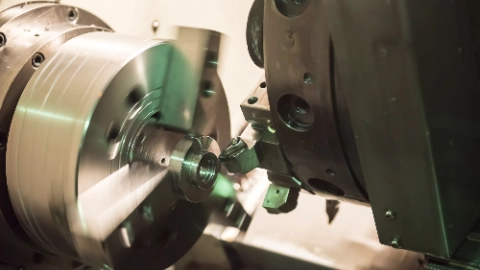
CNC Machining Industry News 2026: Machine Tool Orders Rise as Automation Investment Accelerates
The CNC and machine tool industry entered the middle of 2026 with stronger equipment-order activity and growing investment in automation, artificial intelligence, and connected production systems. According to the Association ...
2026-02-25
Read More

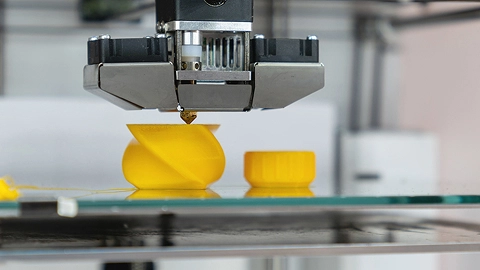
CNC Machining Industry Insights 2026: From Standalone Machines to Connected Production
CNC machining has traditionally been evaluated through several familiar indicators: machine accuracy, spindle speed, axis travel, tool capacity, and achievable tolerance. These factors remain important, but they no longer provide ...
2026-03-06
Read More
CNC Machining for Automotive Parts: From Engineering Drawings to Precision Components
The automotive industry depends on thousands of precisely manufactured parts working together under demanding mechanical, thermal, and environmental conditions. From engine housings and transmission components to electric vehicle battery parts ...
2026-03-06
Read More