



CNC Machining Services
Precision Machining for Prototypes and Production Parts
High-precision CNC machining services for functional prototypes, low-volume production, and end-use parts. We help engineers turn designs into reliable, manufacturable components with confidence.
Key Capabilities
- Tight tolerances down to ±0.01 mm
- Wide material selection for engineering applications
- DFM-driven manufacturing decisions

Request a Quote
Explore Our Capabilities
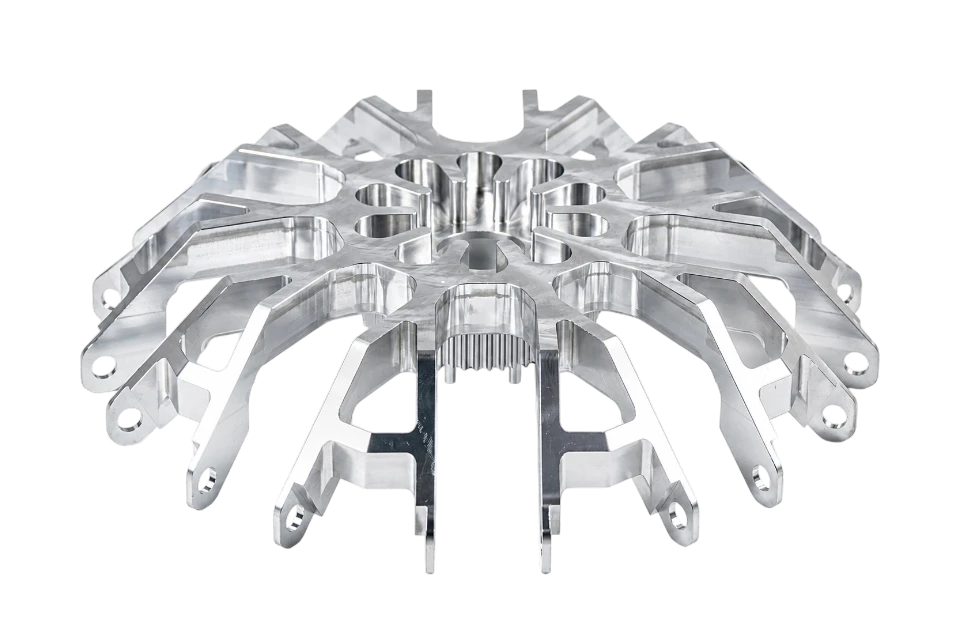


5-Axis

Advanced Multi-Axis Capability
±0.01mm
Achievable Tolerance
40M+
Parts Delivered
20+
Engineering Materials Machined
Core CNC Machining Capabilities
Our CNC machining services are built around core processes that cover most functional and production-grade requirements, from simple precision parts to complex multi-axis components.

CNC Milling
High-precision CNC milling for complex metal and plastic parts, supporting tight tolerances, intricate geometries, and consistent quality from rapid prototypes to production runs.
CNC Milling Service


CNC Turning
Precision CNC turning for cylindrical and rotational components, delivering excellent concentricity, surface finish control, and dimensional stability for functional and mechanical assemblies.
CNC Turning Service

5-Axis CNC Machining
Advanced 5-axis CNC machining for complex parts with compound angles, deep cavities, and multi-face features—reducing setups, improving accuracy, and shortening lead times.
5-Axis CNC Machining

Swiss-Type Machining
Swiss-type CNC machining for small, high-precision parts with long, slender geometries—ideal for tight tolerances, high repeatability, and complex micro features.
Swiss Machining Service
Parts We Machine Every Day
Our CNC capabilities go beyond these examples. Share your design and get engineering feedback before machining begins.
Request a Quote
Structural & Load-Bearing Components
Machined metal components designed for structural strength, precise alignment, and reliable performance in load-bearing and mechanically demanding applications.


Housings, Enclosures & Mounting Parts
Precision-machined housings and mounting parts requiring tight tolerances, clean finishes, and consistent dimensional accuracy across batches.


Complex Multi-Axis CNC Parts
Complex CNC parts featuring undercuts, compound angles, or multi-face machining, produced efficiently using advanced multi-axis processes.


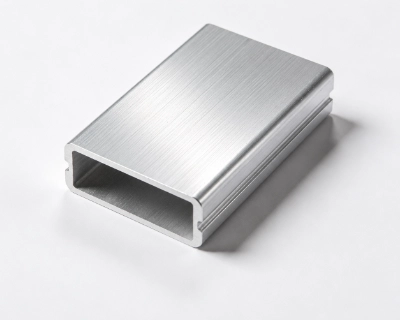
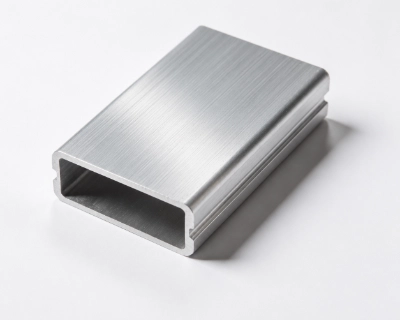
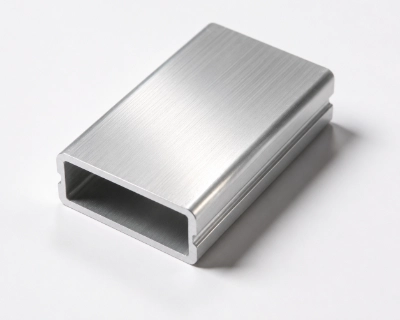
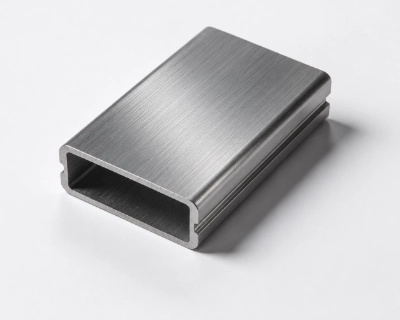
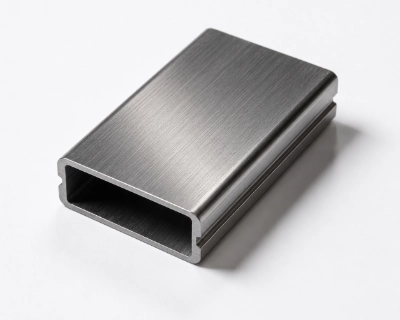
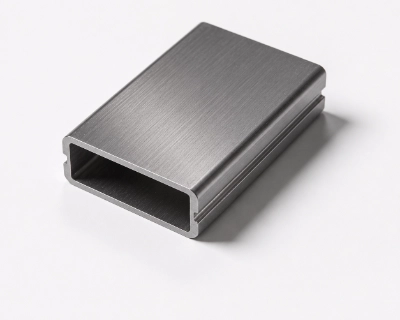
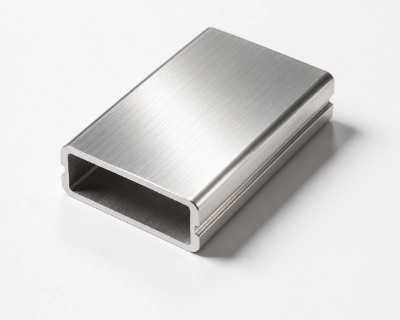
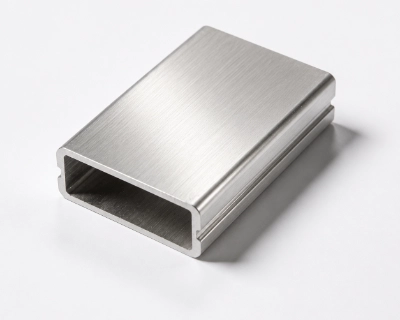
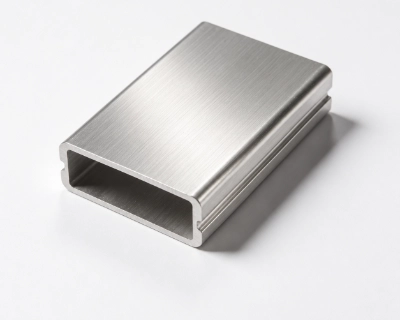
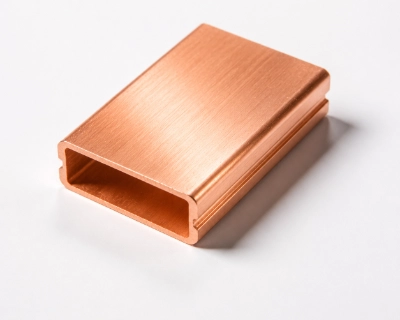
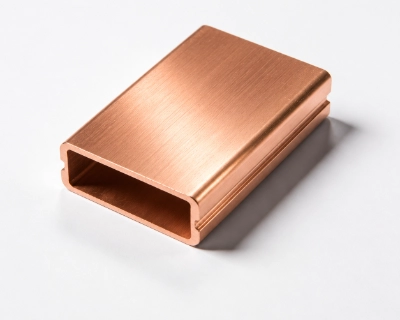
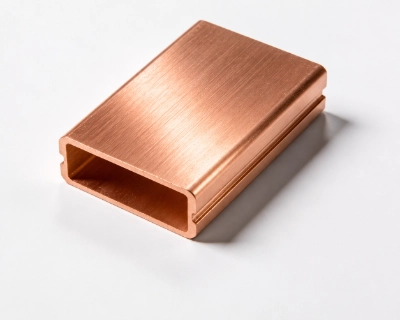
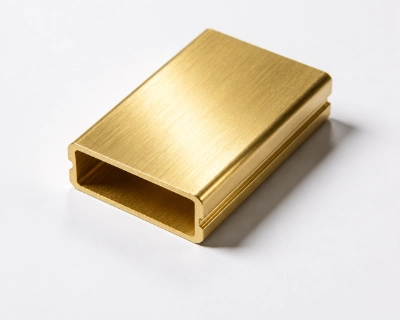
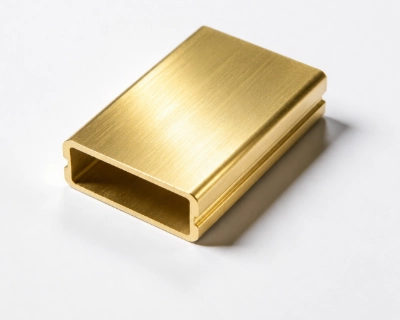
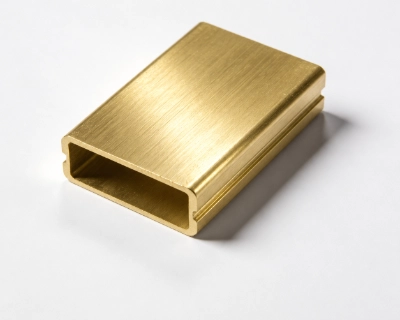
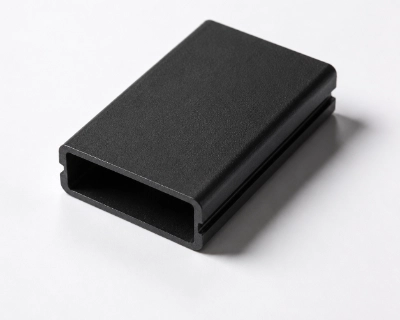
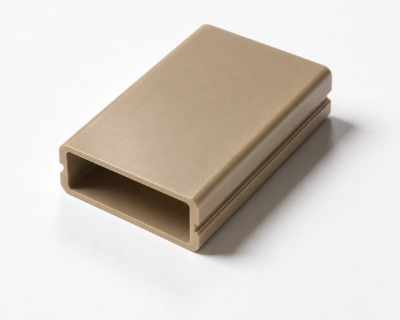
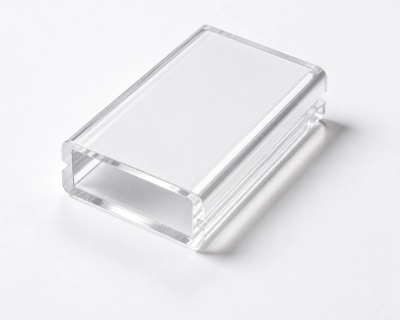
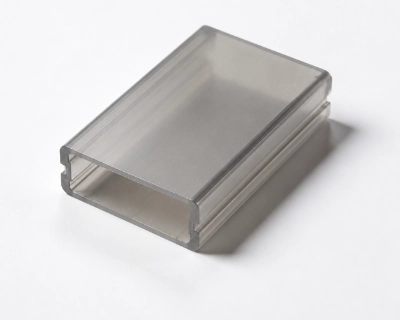
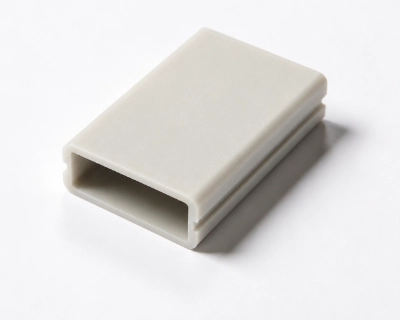
Materials Engineered for CNC Machining
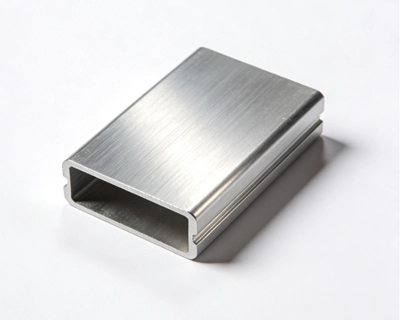
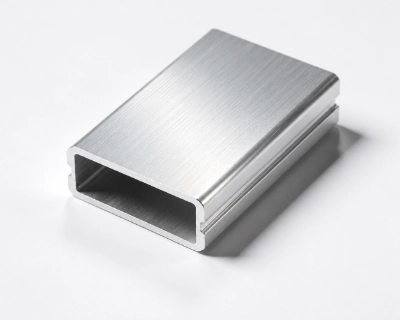
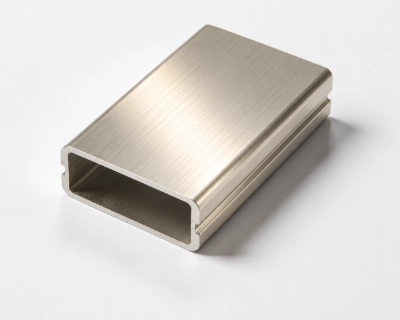




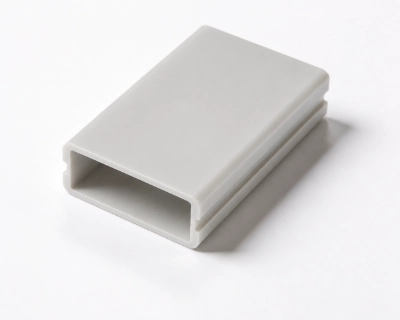
Not Sure Which Material Fits Your Part Best?
Our engineers evaluate part geometry, tolerances, and real machining behavior to recommend materials that balance performance, cost, and manufacturability.

Evaluate material machinability before production
Consider tolerance requirements and surface finish expectations
Balance mechanical performance with cost efficiency
Provide feedback during DFM review to reduce material-related risks
Explore Material Guide
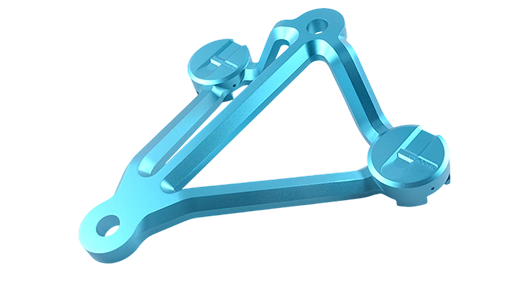

Tolerance Control
We define tolerances based on functional requirements, assembly needs, and real-world use — not guesswork. When tighter tolerances are required, we have the machining capability and inspection control to deliver them.

Function Driven
Tolerances are defined by load, motion, and performance requirements — not uniformly applied.

Assembly Fit
Mating surfaces and critical interfaces receive higher precision control.

Material Behavior
Tolerance planning accounts for material properties and part geometry.

Cost-Efficient Precision
We avoid over-specification that increases cost without functional benefit.
| Category | Standard | Precision Option | Design Guidance |
| General CNC Features | ±0.05 mm | ±0.02 mm | Use standard tolerance for non-functional or cosmetic areas to reduce cost |
| Assembly & Fit Features | ±0.02 mm | Up to ±0.01 mm | Apply tighter tolerance only where parts mate or align |
| Functional / Moving Interfaces | ±0.02 mm | Up to ±0.01 mm | Defined by motion type, load, wear, and lifetime requirements |
| Metal Parts (Aluminum, Steel) | ±0.02–0.05 mm | ±0.01 mm (feature-based) | Metals offer stable accuracy; precision applied selectively |
| Engineering Plastics | ±0.05–0.10 mm | ~±0.03 mm | Consider deformation, wall thickness, and thermal behavior |
| Thin Walls & Long Spans | Case-dependent | DFM-defined | Geometry stability matters more than nominal tolerance |
*Actual tolerances are defined during DFM review based on material, geometry, and functional requirements.
- Metals typically allow tighter and more stable tolerances than plastics
- Softer materials may deform under cutting forces, affecting final accuracy
- Engineering plastics and composites require tolerance planning based on geometry and load
Surface Finishing Options for CNC Parts
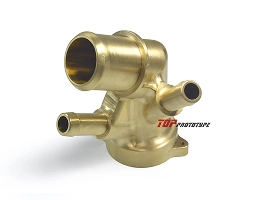
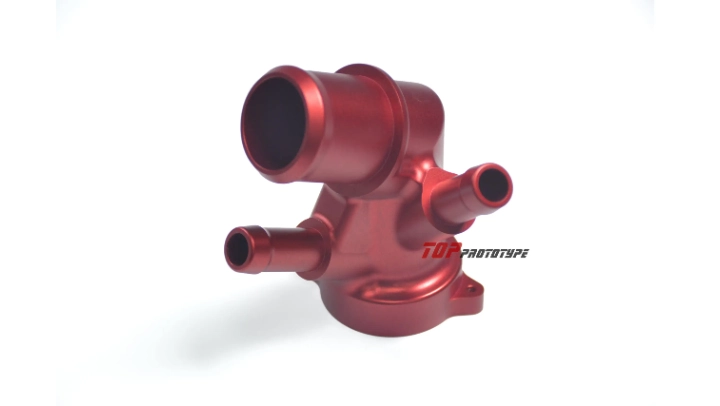
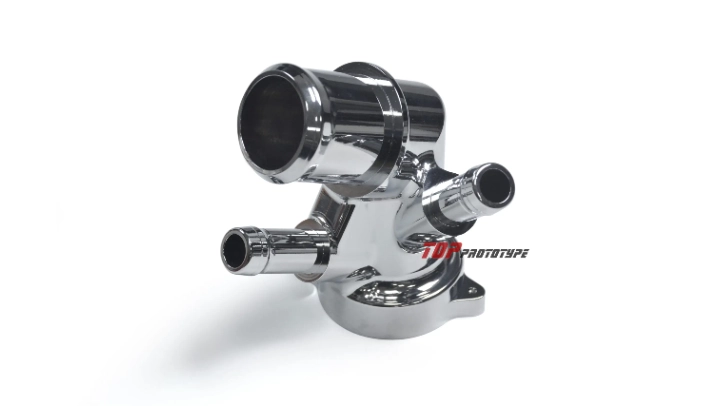
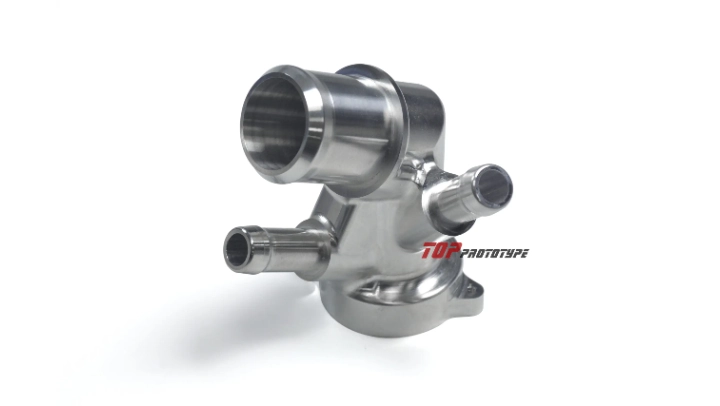
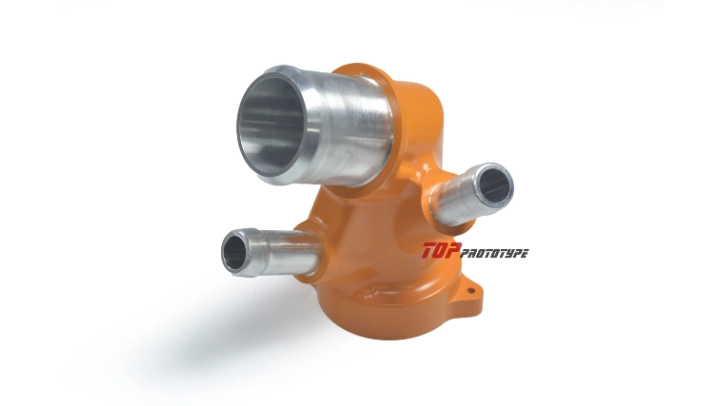
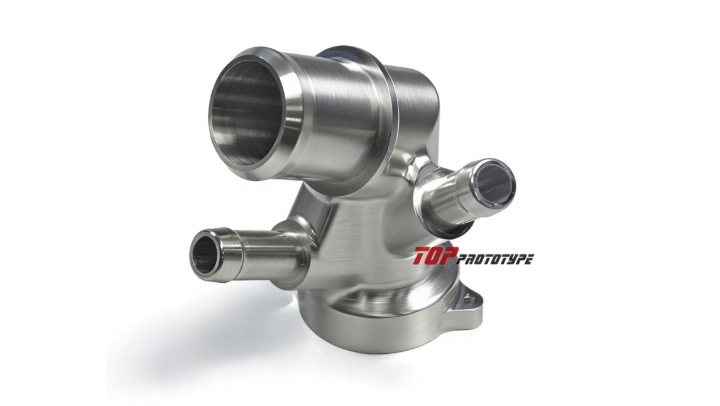
Surface finishes are selected based on functional needs, appearance requirements, and part usage — not just aesthetics.
Explore Surface Finishing Guide
Quality Control & Inspection
-

Incoming Material Inspection

-
All incoming materials are verified before machining begins.
Material grades, specifications, and supplier certifications are checked to ensure consistency and traceability from the start.

-

In-process Dimensional Checks
-
All incoming materials are verified before machining begins.
Material grades, specifications, and supplier certifications are checked to ensure consistency and traceability from the start.
-

First Article Inspection (FAI)
-
All incoming materials are verified before machining begins.
Material grades, specifications, and supplier certifications are checked to ensure consistency and traceability from the start.
-

Final Inspection Before Shipment
-
All incoming materials are verified before machining begins.
Material grades, specifications, and supplier certifications are checked to ensure consistency and traceability from the start.
-

ISO-aligned Quality Procedures
-
All incoming materials are verified before machining begins.
Material grades, specifications, and supplier certifications are checked to ensure consistency and traceability from the start.


When CNC Machining Is the Right Manufacturing Choice

CNC machining is best applied when dimensional accuracy, material performance, and real-world validation matter more than tooling speed or unit cost.
At TOP Prototype, CNC machining is most often used to validate part performance, assembly fit, and manufacturability before customers commit to molds or large-scale production.
CNC Machining Is a Strong Fit When You Need:
- Functional prototypes that must withstand mechanical stress, heat, or assembly testing
- Tight tolerances where small deviations affect performance or fit
- Production-grade materials such as aluminum, stainless steel, or engineering plastics
- Low to medium volumes where flexibility matters more than unit cost
Why Engineers Choose CNC Before Tooling:
01
Validate real material behavior before mold investment
02
Identify tolerance-sensitive features early
03
Reduce redesign risk in injection molding or die casting
04
Shorten overall product development cycles
Design Considerations for CNC Machining
Design Recommendations
- Avoid deep cavities with small internal radii
- Use standard hole sizes whenever possible
- Maintain consistent wall thickness
- Add chamfers instead of sharp internal corners
Limitations
- Not cost-effective for very large production volumes
- Complex internal structures may require secondary operations
Ready to Validate Your CNC Design?
Share your CAD files with our engineers and receive manufacturability feedback, tolerance suggestions, and a fast quotation — before any production commitment.
-
Design-for-manufacturing review by CNC engineers
-
Tolerance and material optimization suggestions
-
Clear lead time and cost breakdown
-
No obligation before approval
Why TOP Prototype for CNC Machining
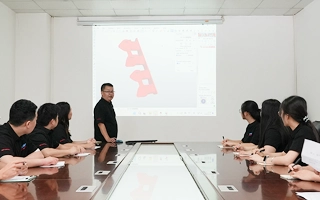
Engineering-Driven Manufacturing
We don't just machine parts — we think like engineers. Every project is reviewed from a functional, assembly, and manufacturability perspective. 1

Reliable Precision at Every Stage
From prototypes to low-volume production, we deliver consistent tolerances you can rely on — not one-off results.

Production-Ready From Day One
Our CNC processes, materials, and quality standards are aligned with production requirements from the start.

Fast Turnarounds Without Compromise
Short lead times are built into our workflow — without cutting corners on quality or inspection.
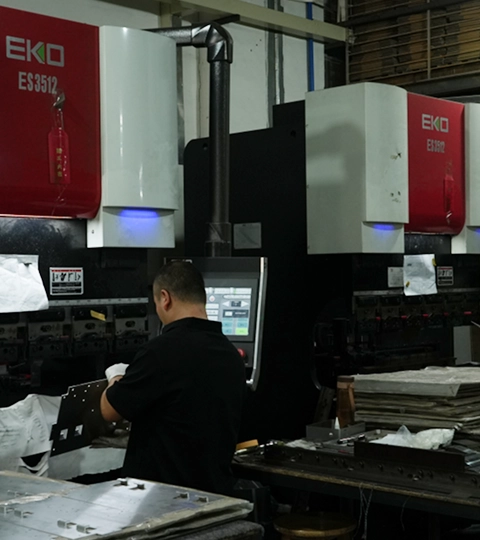
Inside Our CNC Manufacturing Facility
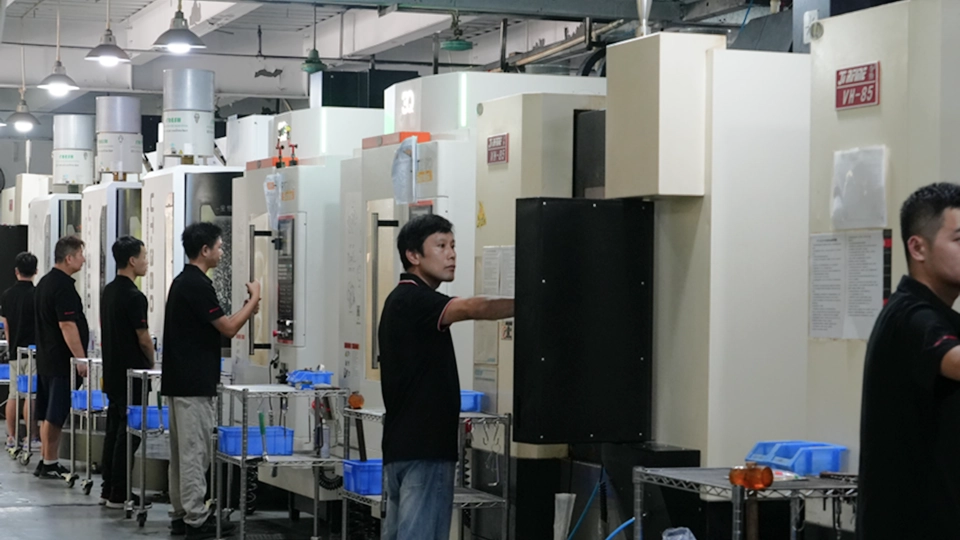
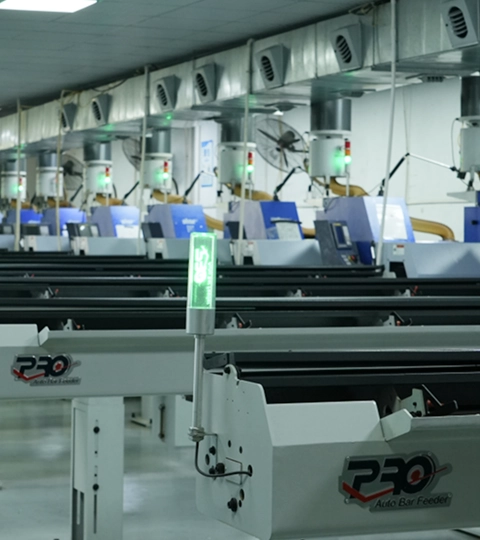
Our in-house CNC machining facility is equipped to support prototyping, complex parts, and low-to-medium volume production — all under one controlled workflow.
From material preparation to final inspection, every step is managed internally to ensure quality, traceability, and delivery reliability.
View Our Factory
CNC Machining in Action
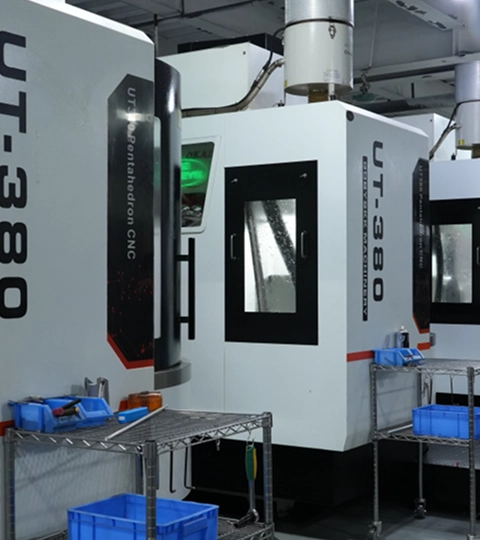
5-Axis CNC Machining Cente
CNC Workshop Layout

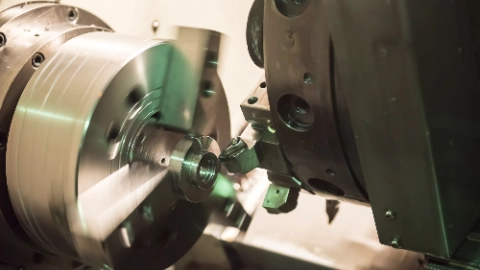
Precision CNC Equipment
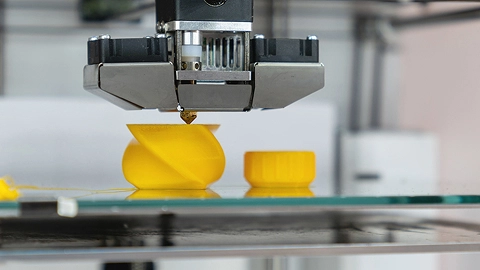
Automated CNC Production
TOP Prototype Resources and FAQs
- # Industry News
- # Medical Device CNC Machining
CNC Machining Industry News 2026: Machine Tool Orders Rise as Automation Investment Accelerates
The CNC and machine tool industry entered the middle of 2026 with stronger equipment-order activity and growing investment in automation, artificial intelligence, and connected production systems. According to the Association ...
2026-02-25
Read More
- # Aerospace CNC Machining
- # Industry Insights
CNC Machining Industry Insights 2026: From Standalone Machines to Connected Production
CNC machining has traditionally been evaluated through several familiar indicators: machine accuracy, spindle speed, axis travel, tool capacity, and achievable tolerance. These factors remain important, but they no longer provide ...
2026-03-06
Read More
- # Automotive CNC Machining
- # Precision Automotive Parts
CNC Machining for Automotive Parts: From Engineering Drawings to Precision Components
The automotive industry depends on thousands of precisely manufactured parts working together under demanding mechanical, thermal, and environmental conditions. From engine housings and transmission components to electric vehicle battery parts ...
2026-03-06
Read More
-
What tolerance levels are typically achievable for automotive CNC parts?
-
For most automotive components, standard tolerances of ±0.05 mm are commonly achievable, with tighter tolerances applied only where function requires it. Critical interfaces, alignment features, or rotating components can be controlled to tighter limits based on design intent.
Actual tolerances depend on part geometry, material, and functional requirements rather than a fixed blanket standard.
f you require a more detailed explanation, please contact us.
-
How do I choose the right manufacturing process?
-
The right process depends on the material, part geometry, tolerance, quantity, surface finish, budget, and intended application. Our team can review your drawings and recommend a suitable option.
-
What materials can you process?
-
Available materials include aluminum, stainless steel, zinc alloys, and engineering plastics such as ABS, PC, PMMA, POM, PP, PE, PS, and nylon. Material availability depends on the selected process.
-
What tolerances can you achieve?
-
Achievable tolerances depend on the material, dimensions, geometry, and manufacturing process. Please identify critical dimensions on your technical drawing so they can be reviewed before quotation.
-
What files should I provide for a quotation?
-
Please provide a 3D CAD file, a 2D drawing where available, material requirements, quantity, surface finish, tolerance, and expected delivery date.