

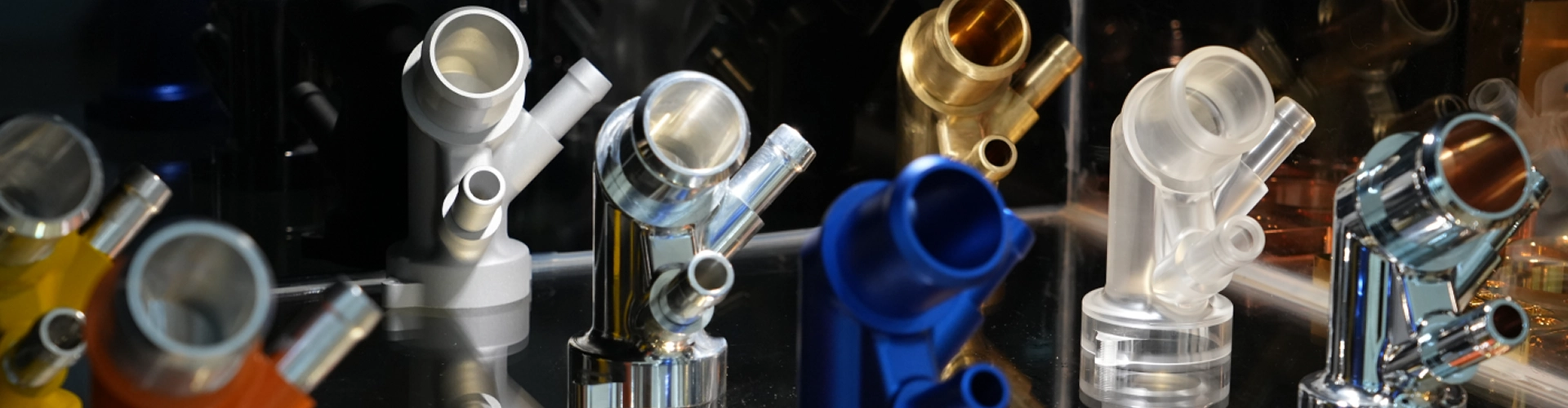
Rapid Prototyping for Design Validation
Turn early-stage designs into functional prototypes you can test, assemble, and improve—before committing to tooling or production.
-

Fast turnaround
-
Functional Materials
-
Engineering-led Feedback
- Engineering Support
Rapid Prototyping for Faster, Smarter Product Decisions
Rapid prototyping helps you turn ideas into physical parts quickly—so you can test, validate, and refine designs before committing to tooling or mass production.
At TOP Prototype, we support engineers through every early-stage decision with manufacturable, production-relevant prototypes.

Request a Quote
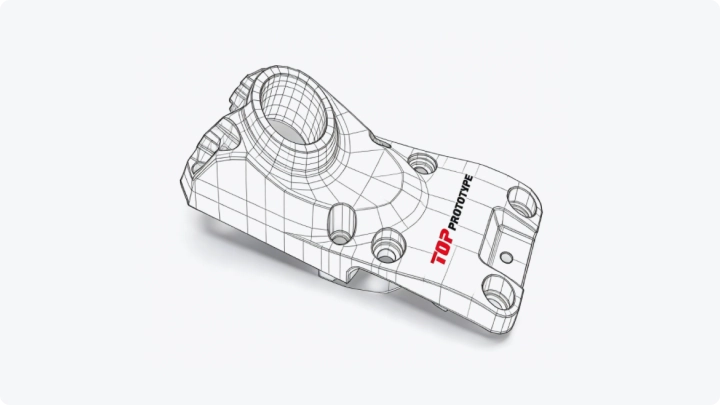
Why Rapid Prototyping Matters

Reduce Costly Rework
Identify design issues early—before they become expensive production problems.

Lower Development Risk
Validate function, fit, and performance with real parts, not assumptions.

Avoid Premature Tooling Investment
Make informed decisions before committing to molds or fixtures.
Prototyping by Purpose
Different project goals require different prototyping approaches. We help you choose the right method based on what you need to verify at this stage.

Validate Form & Fit
Confirm dimensions, assembly clearance, and overall structure before committing to production.

Best for:
Early-stage design checks and assembly validation.
- 3D Printing
- CNC Machining

Functional & Mechanical Testing
Test strength, tolerances, and real-world performance using production-grade materials.
Best for:
Engineering validation under load, motion, or thermal conditions.
- CNC Machining
- Swiss Machining

Production-Like Appearance
Create prototypes that closely match final parts in material, surface finish, and appearance.
Best for:
Customer demos, internal reviews, and pre-production approvals.
- CNC Machining
- Vacuum Casting

Pre-Production Sampling
Produce small batches to validate manufacturability before investing in tooling.
Best for:
Design freeze and risk reduction before mass production.
- Low-Volume CNC
- Soft Tooling
What You Gain from Rapid Prototyping
Rapid prototyping is especially valuable if you are:
Clear validation of form, fit, and function
Early feedback on manufacturability and tolerances
Confidence to move forward—or adjust—before production
Faster internal approvals and stakeholder alignment
Reduced risk when transitioning to low-volume or mass production

Is Rapid Prototyping Right for Your Project?
Rapid prototyping is especially valuable if you are:
Finalizing a design before production decisions
Testing functional performance under real conditions
Preparing samples for internal review or customers
Transitioning from concept to manufacturable design


Not sure where your project stands?
Our engineers can help you determine whether rapid prototyping is the right next step.
Talk to an Engineer
Rapid Prototyping Capabilities at TOP Prototype

Integrated Prototyping Processes
-
CNC machining, 3D printing, vacuum casting in-house
-
Match process to validation purpose
-
No process switching or external handoffs

Engineering-Driven Design Support
-
Engineers review designs before every build
-
Function-based tolerance and structure evaluation
-
Clear DFM feedback tied to real production

Speed with Production-Ready Quality
-
Rapid builds without sacrificing accuracy
-
Production-grade materials and controlled tolerances
-
Smooth transition from prototype to production


Trusted by Customers
Rapid Prototyping in the Motorsport Sector
A hardware startup needed to confirm assembly clearance and structural alignment before committing to injection tooling. We produced CNC-machined prototypes within days, allowing the team to test fit, function, and make final design adjustments with confidence.
View Full Case Study






4.8/5
Trusted by Thousand of customers

Trustpilot
About Rapid Prototyping FAQs
-
When should I choose rapid prototyping instead of going directly to production?

-
Rapid prototyping is ideal when your design still needs validation.
If dimensions, assembly fit, material behavior, or performance under load haven’t been physically tested, prototyping helps surface issues early—before tooling or large production investments are made.
-
What manufacturing methods are typically used for rapid prototyping?
-
Common methods include CNC machining, SLA, 3D printing, vacuum casting, sheet metal fabrication, and rapid tooling. The appropriate process depends on the part geometry, material, tolerance, quantity, and testing requirements.
-
Can prototypes be made using production-grade materials?
-
Yes. Prototypes can be manufactured from engineering plastics and metals to support functional, assembly, and performance testing. Available plastics include ABS, PC, PMMA, POM, PA, PE, and PP, depending on the selected process.
-
Do you provide design or engineering feedback during prototyping?
-
Yes. Our team can review the design from a manufacturing perspective and identify potential issues related to material selection, part geometry, machining access, tolerances, and production feasibility before manufacturing begins.
Note: The company profile states that prototypes are used to verify appearance and structural rationality, but it does not explicitly define the scope of engineering consultation. Confirm this service internally before publishing.
-
How many prototype parts should I start with?
-
Many projects begin with one or a few parts for appearance evaluation, assembly checks, and functional testing. Additional units can be produced after the design has been verified, while vacuum casting may be more economical for quantities such as 50–100 pieces
-
What file formats do you accept for rapid prototyping?
-
Recommended website wording:
We typically accept 3D CAD files such as STEP, STP, IGES, IGS, X_T, STL, and OBJ. Supporting 2D drawings can be provided in PDF, DWG, or DXF format to specify tolerances, threads, surface finishes, and other critical requirements.
Note: Accepted file formats are not listed in the supplied company profile, so this list should be verified with the engineering team before publication.
Still Have Questions About Your Project?
Talk to an Engineer