


Automated Equipment
We support automated equipment engineering teams with precision-manufactured components for prototyping, validation, testing, and production programs. We help reduce development risk while meeting demanding requirements for accuracy, durability, reliability, and consistency.

Get Free Quote

Automated Equipment
We support automated equipment engineering teams with precision-manufactured components for prototyping, validation, testing, and production programs. We help reduce development risk while meeting demanding requirements for accuracy, durability, reliability, and consistency.
Get Free Quote
Components for Automated Equipment That We Manufacture
Our manufactures precision components for industrial automation systems, supporting equipment development from functional prototypes and assembly validation to low-volume production. Our capabilities focus on dimensional accuracy, repeatable performance, reliable motion, and stable integration within automated machinery.
Manufacturing for Automated Equipment Means Balancing Precision, Reliability, and Throughput
Automated equipment components must operate reliably under repetitive motion, vibration, mechanical loads, and continuous production cycles—while maintaining positioning accuracy, assembly stability, and efficient maintenance.
Core Constraints for Part Development:

Strict Dimensional Tolerances

Repeatable Motion and Positioning Accuracy

Wear and Fatigue Resistance

Stable Assembly and Component Alignment

Material and Surface-Finish Compatibility

Consistent Quality Across Production Batches


Engineering-Driven Support for Automated Equipment Projects
Our end-to-end manufacturing support aligns with automated equipment development workflows, covering design validation, functional testing, assembly commissioning, pilot production, and production readiness.

Design to Manufacturing
-
Translate complex automated equipment component designs into stable and executable manufacturing processes.
-
Optimize part geometry, tolerances, and machining strategies to improve manufacturability and assembly efficiency.
-
Maintain critical dimensions, mounting interfaces, and original functional requirements throughout production.

Precision Manufacturing and Motion Control
-
Control critical tolerances on guiding surfaces, locating holes, bearing seats, and moving components.
-
Improve the assembly accuracy and motion repeatability of shafts, guides, grippers, and transmission components.
-
Use suitable materials and surface finishes to reduce wear, friction, and long-term operating deviation.
Prototype to Production
-
Support functional prototypes, assembly-validation parts, testing fixtures, and pilot-production components.
-
Validate materials, dimensions, assembly relationships, and manufacturing processes before production.
-
Establish stable and repeatable manufacturing processes to maintain consistency across production batches.


Manufacturing Process for Automated Equipment
Different automated equipment components require different manufacturing approaches depending on function, material, geometry, tolerance, and production volume.
Commonly used processes include:
- CNC Machining – functional prototypes and precision mechanical components
- 5-Axis CNC Machining – complex robotic, motion-control, and multi-angle parts
- CNC Turning – shafts, bushings, rollers, couplings, and cylindrical components
- Sheet Metal Fabrication – machine frames, brackets, panels, and protective enclosures
- 3D Printing – design validation, custom tooling, fixtures, and low-volume parts
Request a Quote
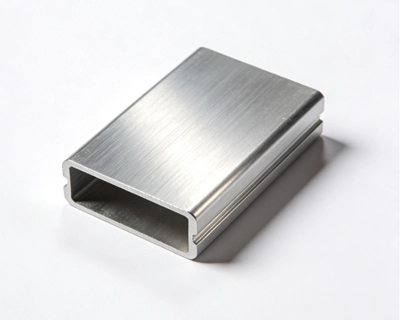
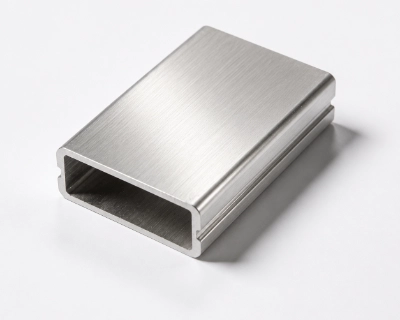
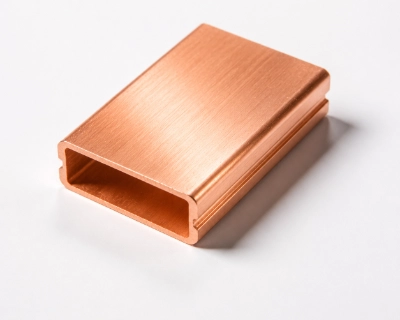
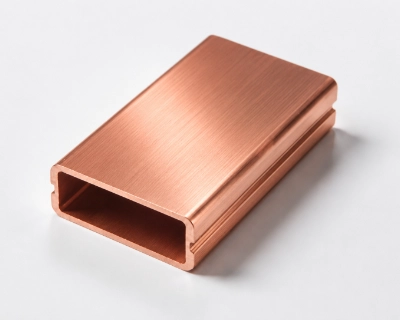
Automated Equipment Materials
Material selection is driven by component function, mechanical load, operating environment, wear conditions, and production requirements.


Surface Finishes for Automated Equipment Parts
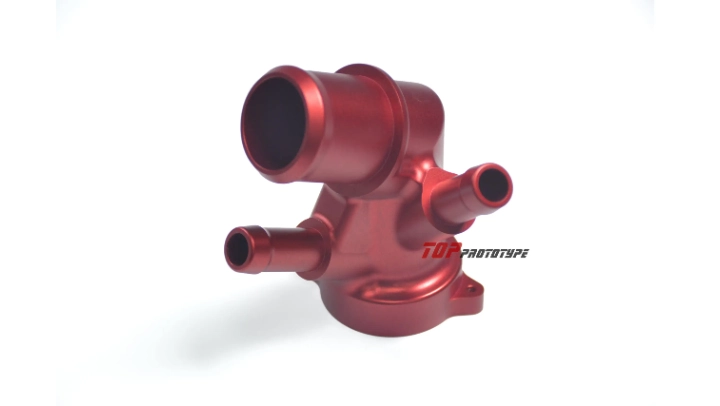
Anodizing
Commonly applied to aluminum parts to improve corrosion resistance, surface hardness, and appearance.
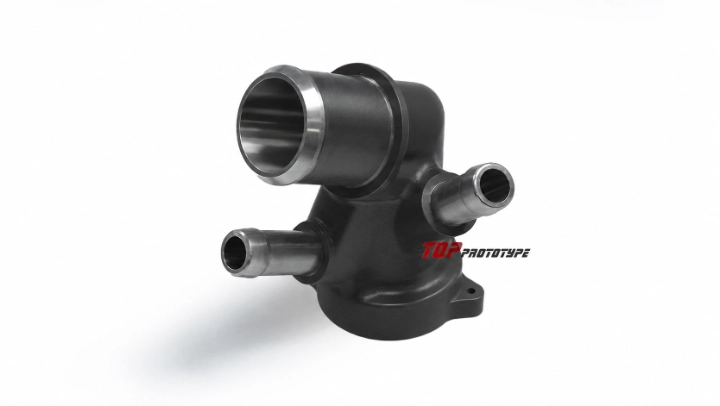
Hard Anodizing
Creates a thicker, harder oxide layer for aluminum components exposed to friction, repeated motion, or mechanical wear.

Electroless Nickel Plating
Provides uniform corrosion and wear protection, including on complex geometries, holes, and recessed surfaces.

Black Oxide
Applied mainly to steel parts to provide a dark appearance, mild corrosion resistance, and minimal dimensional change.
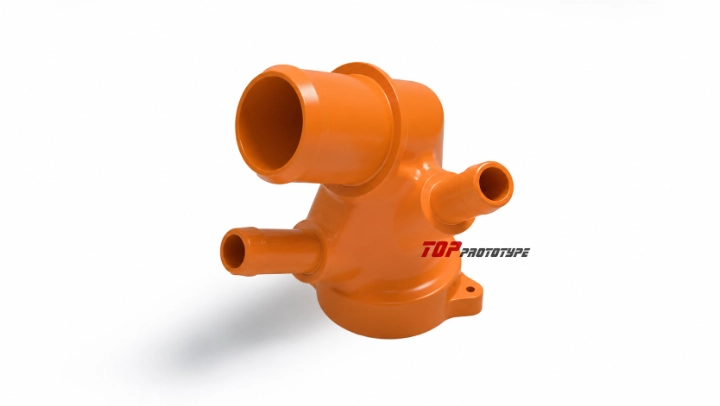
Powder Coating
Creates a durable protective coating with good resistance to impact, corrosion, and industrial operating environments.
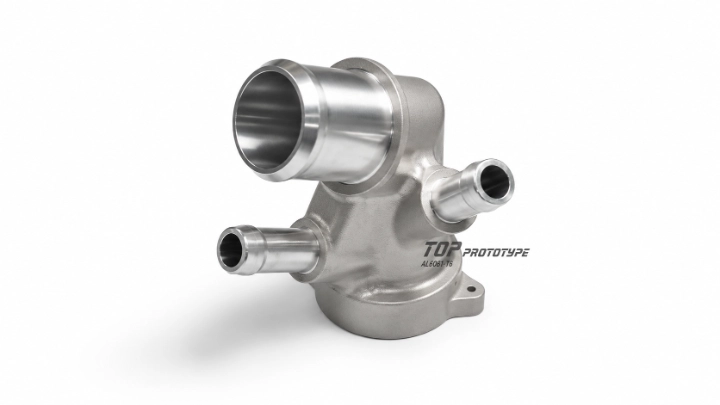
Polishing and Grinding
Improves surface smoothness, dimensional accuracy, contact performance, and ease of cleaning.
Automated Equipment FAQs
-
What automated equipment components can TOP Prototype manufacture?

-
TOP Prototype can manufacture machine frames, mounting plates, precision shafts, guide blocks, bearing housings, gripper components, sensor mounts, rollers, couplings, fixtures, and protective enclosures.
-
Which manufacturing processes are available for automated equipment parts?
-
Available processes include CNC machining, CNC milling, CNC turning, 5-axis CNC machining, sheet metal fabrication, injection molding, vacuum casting, and 3D printing.
-
What materials are commonly used for automation components?
-
Common materials include aluminum alloys, stainless steel, carbon and alloy steel, tool steel, copper, brass, titanium, and engineering plastics such as POM, PEEK, PA, and PC.
-
Can you manufacture high-precision motion-control components?
-
Yes. Precision machining can be used for shafts, bearing seats, locating holes, guide surfaces, couplings, and other components that require accurate positioning and repeatable motion.
Start Your Project Inquiry
Your information is kept confidential and reviewed directly by our engineering team. We typically respond within 1 business day with practical technical feedback.