




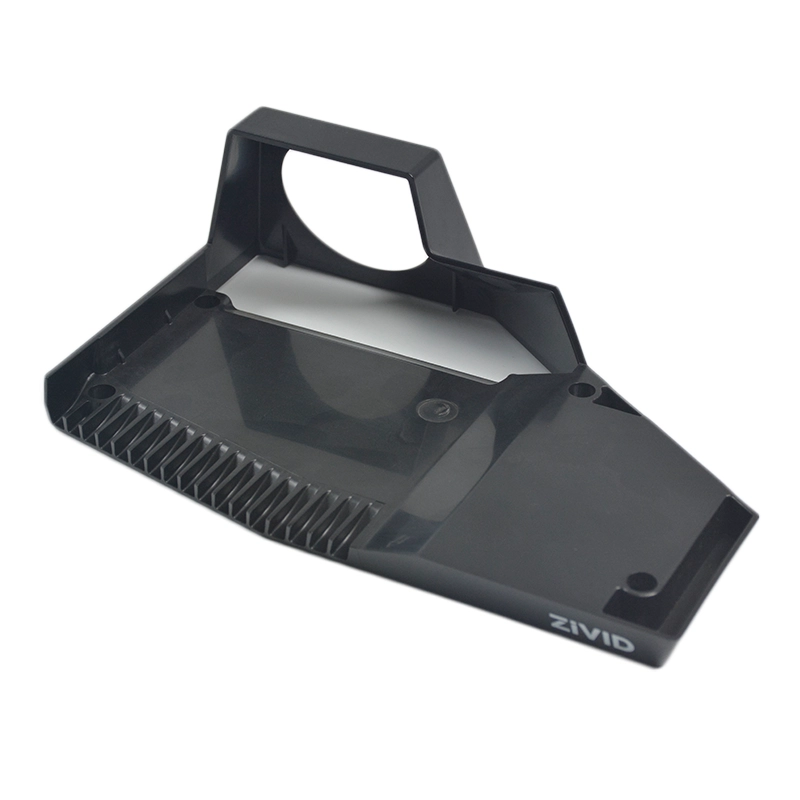

Custom Electronic Plastic Enclosures
Custom plastic electronic enclosures can incorporate PCB supports, screw bosses, snap-fit joints, ventilation openings, and connector cutouts. Injection molding allows these details to be shaped within the housing walls and base. Such enclosures are intended for electronic and electrical equipment with specific internal layouts, where the positions of the board, access points, and external shell need to be considered as one design.
Quick Info:
- Process: Injection Molding
- Wall Thickness: 1.8–4.0 mm
- General Tolerance: ±0.10–0.30 mm
- Material: ABS, PC, PC+ABS, HIPS
- Mold Cavities: 1–8 Depending on Size
- Assembly: Snap-fit, Screws, Ultrasonic Welding
- Finish: Texture, Painting, Printing
- Production: Prototype to Mass Production

Get Free Quote


Detailed Description
Speakers, network devices and small controllers often use two molded shells to create a finished product body. Custom plastic electronic enclosures bring board standoffs, ventilation openings and connector access into that shell arrangement while hiding most of the joining features.
Snap arms sit behind the side walls, with screw columns around the PCB. Mating lips follow the cover edges so both shells join without exposed brackets.
Molded Shell Seams And Ventilation Patterns
ABS, PC, PC+ABS and HIPS support familiar enclosure shapes. Molded honeycomb patterns, narrow slots and internal ribs give each shell several practical functions without separate inserts.
Available Surface Finishes
- Fine Matte Texture: Common low-gloss finish for electronic housings and equipment covers.
- VDI Mold Texture: Standardized mold texture grades provide controlled appearance and tactile feel.
- High-gloss Finish: Polished mold surfaces create smooth decorative exterior panels.
- Spray Painting: Supports custom colors, metallic finishes and branded product appearances.
- UV Coating: Improves surface appearance and scratch resistance for selected external housings.
- Silk-screen Printing: Suitable for logos, port labels and operating information.
- Laser Marking: Permanent model numbers, symbols and traceability information can be added.
Matte molded textures suit handled electronics, while high-gloss panels and printed port names identify visible controls. Color and UV surface treatments provide different product appearances.
Structural & Functional Breakdown
- Upper & Lower Housing Structure: Matching shells can be designed with controlled mating gaps and locating interfaces.
- PCB Mounting Boss Structure: Internal screw columns support PCBs and electronic modules.
- Ventilation Structure: Slots, holes and honeycomb patterns provide passive heat dissipation.
- Snap-fit Assembly Structure: Integrated clips reduce screws and shorten assembly time.
- Internal Reinforcing Ribs: Rib networks improve enclosure rigidity without excessive wall thickness.
PCB posts hold boards above the shell floor, while molded channels keep wiring clear of snap joints. Vent openings sit between reinforcing ribs.
Key Machining Highlights
- Custom Enclosure Geometry: Supports complex external forms and detailed internal mounting structures.
- Integrated Ventilation Design: Ventilation openings can be molded directly without extensive secondary machining.
- Flame-retardant Material Options: Suitable FR ABS, PC or PC+ABS grades can be evaluated.
- Controlled Assembly Accuracy: Bosses, clips and mating edges are designed for consistent enclosure assembly.
- Secondary Processing Integration: Painting, printing, laser marking and ultrasonic welding can be combined.
- Prototype to Production Tooling: Suitable for design validation through high-volume manufacturing.
Hidden connections keep the visible face continuous while allowing an upper and lower shell to meet cleanly. Internal features remain part of the molded body rather than added later as separate fittings.
Application Fields
- Speaker Housings
- Network Equipment
- Industrial Controllers
- Smart Home Devices
- Power Electronics
- Consumer Electronics
Embedded computers and automation controllers often group several cable exits along one side. Molded connector windows give the product a coherent shell.
Consumer devices and network equipment use custom plastic electronic enclosures to combine ventilation, familiar tactile surfaces and discreet fastening details. Clear exterior geometry makes room for the internal structure rather than competing with it.

Frequently Asked Questions
-
How are upper and lower plastic shells joined?

-
Molded snap joints, mating lips and screw bosses connect the two housing sections.
-
Can a PCB mount directly inside the enclosure?
-
Integrated internal standoffs and screw columns support boards and small electronic modules.
-
What materials are common for these shells?
-
ABS, PC, PC+ABS and HIPS.
-
Are ventilation slots molded into the shell?
-
Slots, holes and honeycomb openings can form part of the housing wall.
-
Can port labels appear on the exterior?
-
Silk-screen printing and laser marking add identification beside connectors and controls.
-
What finishes are available?
-
Fine matte, VDI texture, glossy molded surfaces, spray paint and UV coating offer different appearances.
-
Do electronic enclosures include cable-routing details?
-
Molded internal channels and attachment features can organize cables around the PCB space.
-
What products use these enclosures?
-
Speaker housings, network equipment, smart-home devices and industrial controllers.


