





3D Printing of Jigs & Fixtures Tooling Prototypes
Custom 3D printed jigs and fixtures can include contours, recesses, and positioning features matched to a particular workpiece or assembly. Additive manufacturing allows these non-standard forms to be produced without first making conventional tooling. The resulting parts can be used in positioning, clamping, or inspection tasks during manufacturing and product development. Their geometry is determined by the contact points and handling requirements of the operation.
Quick Info:
- Process: Industrial SLA / SLS 3D Printing
- Tolerance: ±0.05mm – ±0.10mm
- Lead Time: 3–5 Working Days
- Material: Tough Resin, Nylon PA12, Glass‑filled Nylon
- Surface Finish: Anti‑slip & Wear‑resistant Coating
- Service: Custom Tooling Design, Positioning Fixture Prototype, Production‑line Auxiliary Tooling

Get Free Quote


Detailed Description
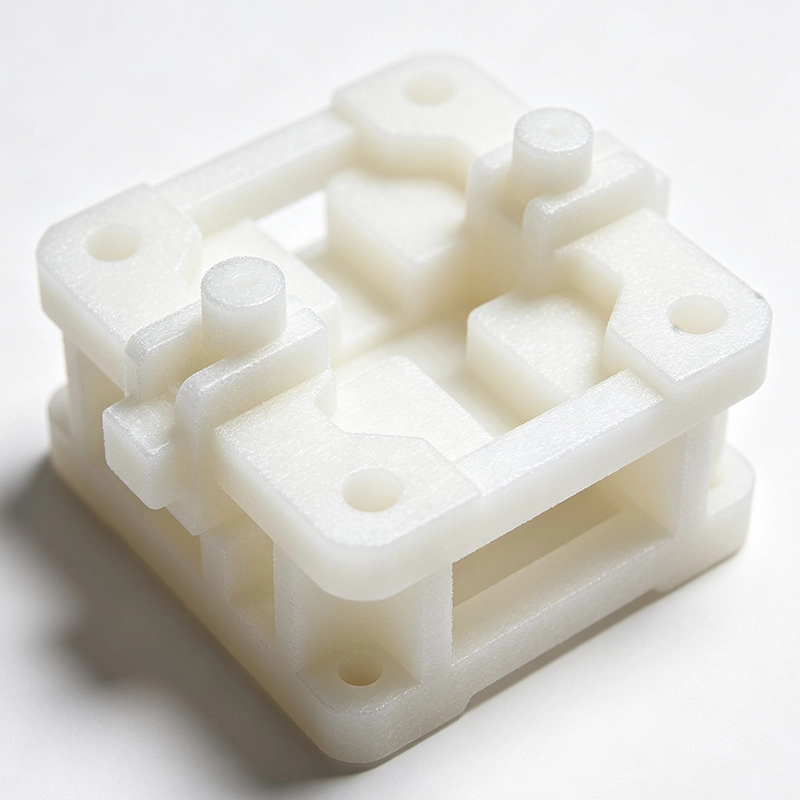
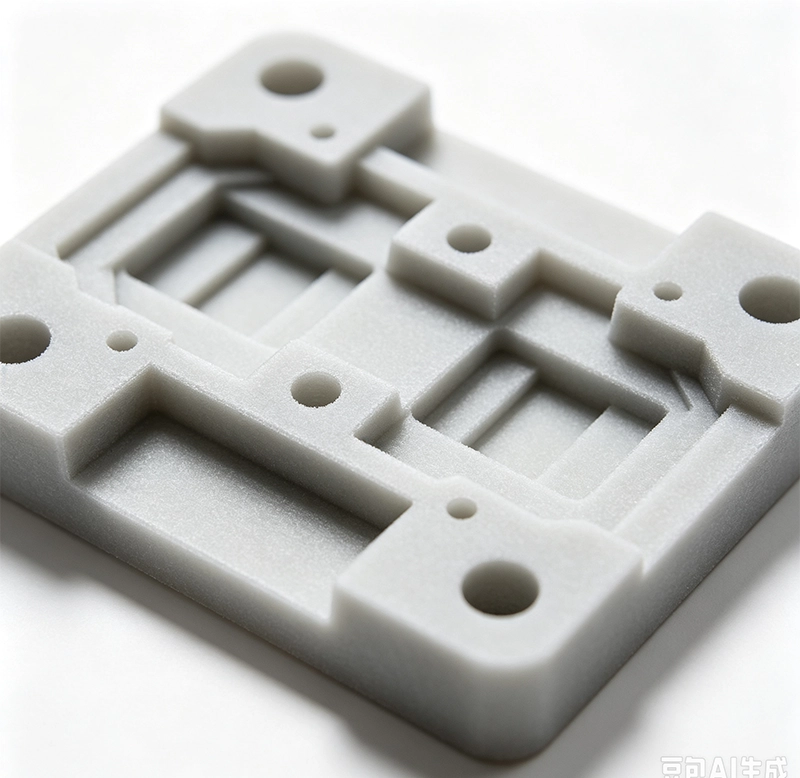
Unusual part contours can make conventional flat clamps awkward to position. 3D printed jigs and fixtures place the locating profile directly against the workpiece geometry, with accessible spaces for quick clamps, stops and inspection tools. SLA and SLS processes form recesses and support shapes that would require several conventional machining operations.
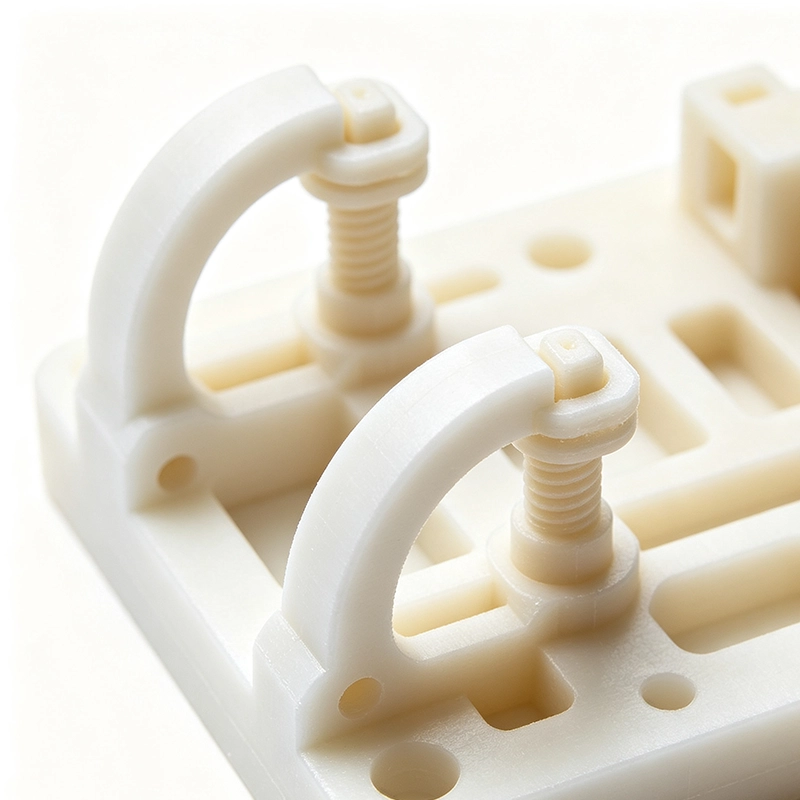
Assembly nests hold a component at a repeatable orientation, while checking fixtures expose selected edges or openings for inspection. Lightweight frame sections make manually transferred tooling easier to handle around workstations. Mounting spaces for separate clamps keep worn mechanical hardware independent of the printed body.
Available Surface Finishes
- As‑printed: Original printing surface, for laboratory fixture function verification.
- Sandblasting: Increase surface friction for anti‑slip clamping requirement.
- Wear‑Resistant Coating: Surface protective layer for repeated clamping in workshop environment.
- Local Reinforcement Treatment: Strengthen stress contact positions to extend fixture service life.
Contact areas can retain an as-printed surface or receive a selected protective finish. Sandblasting changes the texture on broad support faces, while localized reinforcement addresses frequently touched fixture zones.
Structural & Functional Breakdown
- Precision Positioning Locating Structure: Matching contour grooves and positioning pins to lock workpiece position accurately.
- Clamping & Pressing Mechanism Structure: Reserved installation space for quick‑press components to realize stable workpiece fixation.
- Dimensional Inspection Groove Structure: Custom detecting contour for fast size checking of mass‑produced workpieces.
- Lightweight Monolithic Frame Structure: Remove redundant material while ensuring rigidity for convenient on‑site installation and handling.
Contoured nests and pins serve different locating roles. One follows the external shape; the other references a repeatable hole or edge position during each assembly cycle.
Key Machining Highlights
- High‑Precision Locating Dimension Control: Guarantee positioning tolerance to ensure consistent workpiece clamping accuracy.
- Custom Tooling Structure Development: Realize complex special‑shaped fixture difficult for traditional metal machining.
- High‑Toughness Wear‑Resistant Material Application: Select glass‑filled nylon or tough resin adapting to workshop operating environment.
- Fast Iteration Cycle: Skip mold making, quickly iterate fixture versions according to on‑site feedback.
Inspection grooves add a checking function without turning the fixture into a complete measuring instrument. Printed clearances keep gauges and operators able to reach the selected feature.
Application Fields
- Automation Production‑line Positioning Fixtures
- Product Assembly Auxiliary Jigs
- Workpiece Dimensional Inspection Tooling
- Electronic Product Testing Fixture Prototypes
- Workshop Non‑standard Custom Tooling
Production-line assembly jigs can hold small housings while screws, clips or wiring are installed. Test fixtures arrange electronic parts around connectors and probes, keeping the work area open for routine operation.
3D printed jigs and fixtures offer a practical format for temporary stations, engineering builds and specialized workpieces. Their value lies in the combination of part-specific location and convenient access within one formed body.

Frequently Asked Questions
-
What is the difference between an assembly jig and an inspection fixture?

-
Assembly jigs position parts during joining operations, while inspection fixtures present selected geometry for checks.
-
Can printed tooling contain locating pin seats?
-
Yes. Printed pockets and mounting points can accommodate separate pins, clamps and stops.
-
Which additive processes are named for these fixtures?
-
SLA and SLS.
-
How are irregular components supported?
-
Custom contour nests follow the workpiece shape and add reference surfaces around its functional features.
-
Can tool bodies include places for quick clamps?
-
Clamp mounting spaces and pressing interfaces can be integrated beside the locating features.
-
Are printed fixtures limited to assembly stations?
-
Inspection tooling, electronic testing prototypes and production-line positioning fixtures also appear in this category.
-
What gives a printed fixture its handling advantage?
-
Lightweight frame geometry and consolidated locating details reduce the amount of separate fixture hardware.


