





Sheet Metal Panels & Base Plates
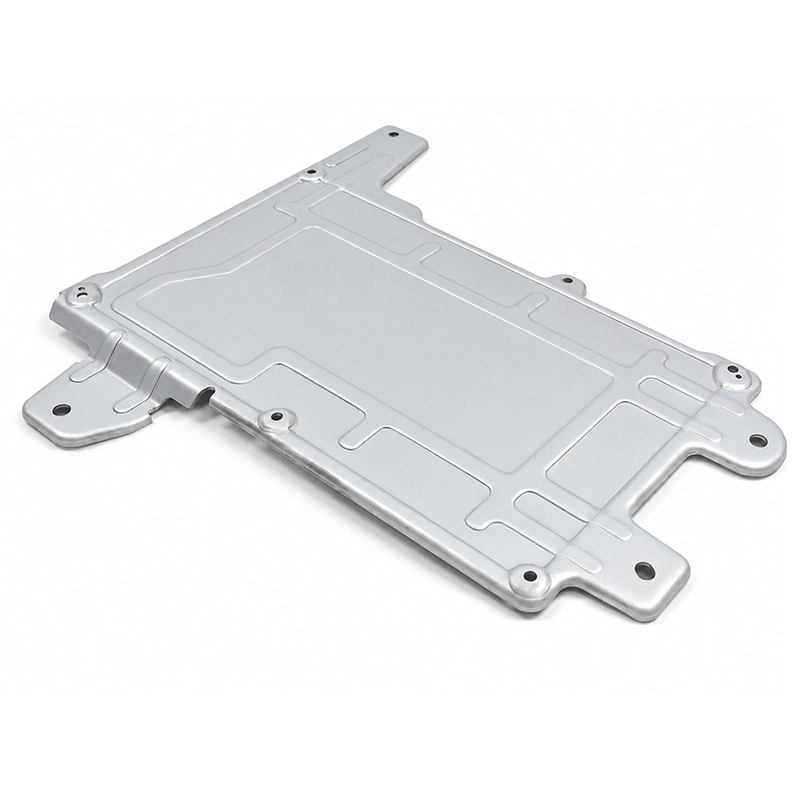
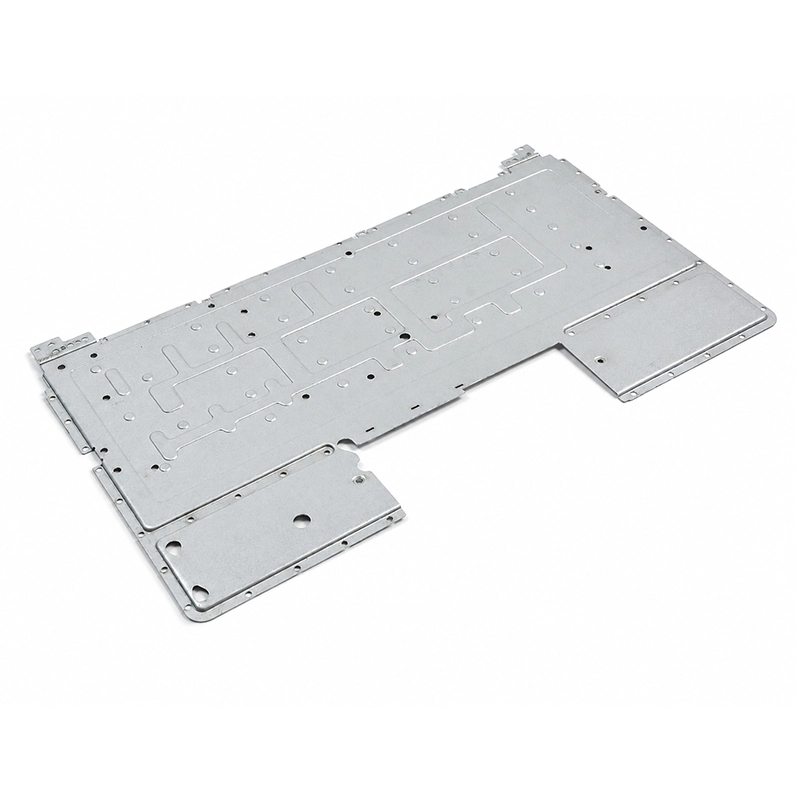
Sheet metal base plates can include punched or laser-cut holes, bent edges, raised details, and shaped support areas. These plates are used beneath machinery, electronic equipment, and industrial assemblies to organize the position of installed hardware. Cutting, forming, and other sheet metal operations permit the design to combine flat contact regions with features that aid connection or support within the equipment.
Quick Info:
- Sheet Thickness: 0.8–3.0 mm
- Processing Tolerance: ±0.20–0.30 mm
- Lead Time: 7–15 working days
- Processing Technology: Laser Cutting, CNC Punching, Stamping, Embossing, CNC Bending
- Material: Aluminum 5052, SPCC, SECC, SGCC, SUS304
- Custom Size: 100–1500 mm typical panel size
- Production Scale: Prototype / small batch / medium-volume production
- Reinforcement Rib Height: 1–10 mm typical

Get Free Quote


Detailed Description
Wide equipment bases can remain relatively thin when their edges and surface geometry contribute to stiffness. Sheet metal base plates use embossed ribs, folded borders and punched mounting positions to turn a flat sheet into a functional chassis element.
Laser cutting forms the perimeter and larger openings, while punching and stamping produce repeated attachment points and raised features. Bent flanges create vertical edges that strengthen the panel and offer extra positions for fastening or adjoining sections.
Embossed Reinforcement Across Wide Panels
Shallow ribs can run between mounting areas instead of sitting beneath every component. Folded edges also define the panel boundary without a separately welded perimeter frame.
Available Surface Finishes
- Powder Coating: Protective coating suitable for machinery panels and exposed equipment components.
- Galvanized / Zinc-coated Finish: Provides corrosion protection for steel base plates.
- Anodizing: Suitable for aluminum panels requiring durable surface protection.
- Brushed Metal Finish: Used for visible stainless steel or aluminum panels with decorative requirements.
Powder-coated and zinc-coated steel panels suit equipment chassis, while brushed metal surfaces provide a visible finish on selected covers. Aluminum versions can receive anodizing.
Structural & Functional Breakdown
- Large-area Flat Panel Structure: Provides a stable mounting base for equipment and internal assemblies.
- Reinforcement Rib Structure: Embossed channels and ribs increase panel rigidity and reduce flexing.
- Precision Hole Layout: Multiple mounting holes can be positioned according to component interfaces and assembly requirements.
- Formed Edge Structure: Flanges and folded edges strengthen the perimeter while providing additional mounting surfaces.
Raised ribs reinforce wide spans, and formed flanges support the perimeter. Punched holes remain accessible for modules and internal components across the usable face.
Key Machining Highlights
- Large-format Sheet Processing: Supports typical panel dimensions up to approximately 1500 mm.
- Reinforcement Forming: Embossed ribs and stamped features improve structural rigidity of thin sheet components.
- Controlled Flatness: Production processes can be optimized to reduce distortion after stamping and bending.
- Integrated Hole and Edge Processing: Cutting, punching, embossing and edge forming can be completed in a combined manufacturing process.
Combined cutting, punching, embossing and folding produce a single structured panel. Material remains distributed across a broad surface instead of concentrating only around isolated brackets.
Application Fields
- Machine Base Plates
- Electronic Equipment Panels
- Industrial Structural Panels
- Control System Mounting Plates
- Equipment Chassis Bottom Plates
Control cabinets and industrial chassis use broad lower panels to carry electrical modules, cable routes and mounting hardware. Folded edges create a clear junction with the surrounding equipment housing.
Machinery and production equipment use sheet metal base plates where a wide support face and lightweight formed construction are more useful than a thick solid plate. Ribbed areas and hole patterns serve the structure without adding a heavy machined base.

Frequently Asked Questions
-
How are sheet-metal base plates produced?

-
Laser cutting, punching, stamping and bending create the panel outline, openings, ribs and folded edges.
-
What are embossed ribs used for?
-
Raised reinforcement runs across broad sheet surfaces to increase stiffness.
-
Can the perimeter have folded flanges?
-
Bent edges strengthen the panel boundary and create additional attachment surfaces.
-
How are mounting holes added?
-
Punching and cutting operations place holes and slots across the panel face.
-
Which materials appear in these panels?
-
Steel, stainless steel and aluminum sheet form common base-plate constructions.
-
What surface finishes are offered?
-
Powder coating, zinc-coated steel, aluminum anodizing and brushed metal are listed options.
-
Where are these panels used?
-
Equipment chassis, industrial control systems, machine bases and structural mounting panels use formed sheet-metal bases.
-
How do formed panels differ from thick machined plates?
-
Stamped ribs and bent flanges add structure to a thin sheet, while a solid machined plate uses its stock thickness and milled details.


