
Rapid Prototyping Services | More Profit, Less Effort – 25% More!
High-quality wholesale rapid prototyping services from top prototype | low moq & fast delivery discover top prototype! we provide trustworthy rapid prototyping services ,& engaged in rapid prototyping services market for many yrs.
Your Guide To Top Prototype Categories
High-quality wholesale rapid prototyping services from top prototype | low moq & fast delivery discover top prototype! we provide trustworthy rapid prototyping services ,& engaged in rapid prototyping services market for many yrs.


Rapid Prototyping Services Boost Your Profit!
Find exceptional Top-notch rapid prototyping services options at TOP Prototype. TOP Prototype stands out for the rapid prototyping services, perfect for your rapid prototyping services needs.

Rapid Prototyping Services: Discover Customer Reviews And Feedback!
We cater to a diverse international customer base with our top-performance rapid prototyping services.
Curious About Rapid Prototyping Services? Don’T Hesitate To Reach Out!
You can rely on our flawless for their top-tier quality, extended lifespan, and uncomplicated maintenance. Browse our website for additional insights.
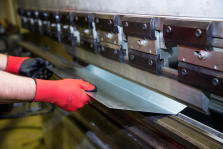
More Responsive Quotes
We will give you feedback within 1 hour to ensure that you receive professional processing suggestions, lower processing costs and a faster delivery time.
Variety
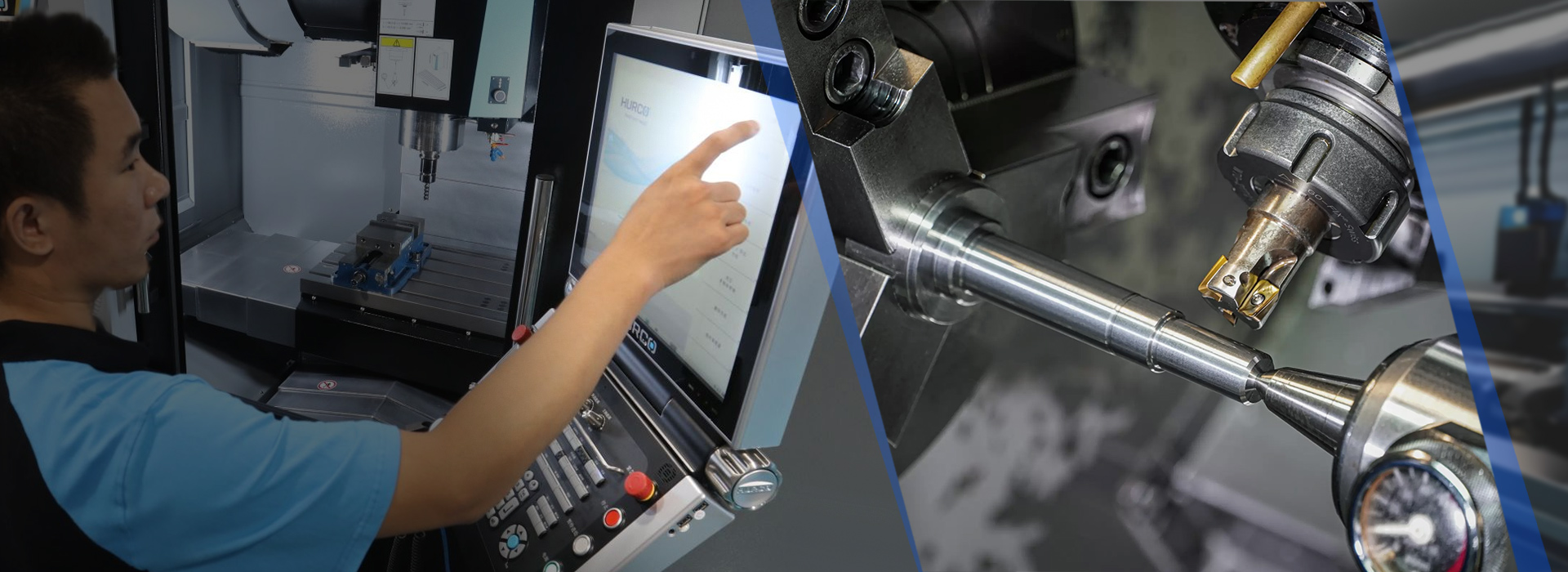
Our services range from prototype design to large-scale production, from CNC lathes to milling centers, injection molding, advanced 3D printing equipment, etc.
24/7 Engineering Support
24/7 Engineering Support
TOP Prototype has a team of experienced engineers to provide auxiliary advice for your project, helping you optimize your design, save costs, and achieve better and more consistent quality standards through standardization.
What are rapid prototyping services?
Rapid prototyping services are processes that allow designers and engineers to quickly create a physical model of a product or component using 3D printing, CNC machining, or other manufacturing techniques. These services enable iterative testing and refinement of designs before final production.
How can rapid prototyping services benefit product development?
Rapid prototyping services can significantly reduce the time and cost associated with product development by allowing for faster iterations, immediate feedback, and the ability to test ideas in real-world conditions early in the design process.
What materials are commonly used in rapid prototyping?
Common materials used in rapid prototyping include plastics such as ABS and PLA, resins for 3D printing, metals for CNC machining, and silicone for molding applications. The choice of material often depends on the intended use and functional requirements of the prototype.
How do I choose a rapid prototyping service provider?
When choosing a rapid prototyping service provider, consider factors such as their technology and capabilities, turnaround time, material options, pricing, and customer reviews. It’s also important to assess their experience with projects similar to yours to ensure quality and reliability.
Curious About Rapid Prototyping Services? Check What Top Prototype Has To Offer!
Explore how TOP Prototype enhances your understanding of rapid prototyping services through cutting-edge solutions and expert knowledge.
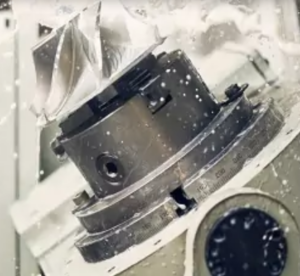
7 Reasons for Embracing CNC Rapid Prototyping
Computer Numerical Control (CNC) rapid prototyping refers to the use of CNC machining technology to create prototypes quickly and accurately from a digital design. The process involves converting 3D models into machine code, which then directs CNC equipment to cut or shape materials into physical prototypes. CNC rapid prototyping has become a vital part of
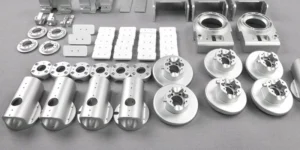
CNC Machining of Aluminum: Properties and Applications by TOP Prototype
CNC Machining of Aluminum: Properties and Applications by TOP Prototype Aluminum, with its unique combination of physical and mechanical properties, has become a preferred material in CNC machining across various industries. As a professional prototype and custom part manufacturer,TOP Prototype leverages the advantages of aluminum in CNC machining to deliver high-precision, high-quality components for clients
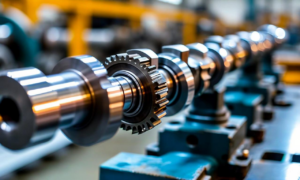
CNC Machining for Automotive Camshafts by TOP Prototype
Precision Redefined: CNC Machining for Automotive Camshafts by TOP Prototype Every high- performance automotive engine has a core component: the camshaft. It acts as the “brain” of the valve train. It controls the timing and lift of engine valves. This directly impacts combustion efficiency, torque output, and overall engine performance. Advanced automotive engineering relies heavily on CNC (Computer Numerical Control) machining. CNC machining delivers
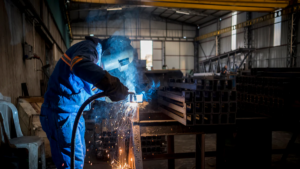
3 Key Benefits of Sheet Metal Fabrication
3 Key Benefits of Sheet Metal Fabrication Sheet metal fabrication offers three significant benefits: cost-effectiveness, durability, and versatility. These advantages make it an ideal choice for a wide range of projects. The process becomes more cost-effective as production volume increases, reducing per-unit costs. This affordability, combined with the material’s inherent strength and resistance to environmental
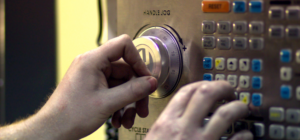
An Exhaustive Exploration of Working Principles, Machine Components, and Production Benefits
An Exhaustive Exploration of Working Principles, Machine Components, and Production Benefits CAD – CAM refers to the software used for designing and machining parts and components with a CNC machine. TOP Prototype utilizes this advanced technology. CAD (Computer – Aided Design) software is used to design, draw, and shape parts using geometric shapes and constructs
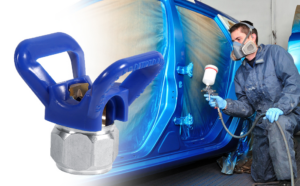
The Excellence of Spraying Surface Treatment
The Excellence of Spraying Surface Treatment Surface treatment is a crucial aspect of modern manufacturing and product enhancement, and spraying is one of the most commonly used and effective methods. This article will delve into the details of spraying, including its definition, working principle, technical knowledge, advantages, and its connection with the TOP Prototype company.
More About Rapid Prototyping Services & Top Prototype
Nowadays with the trend of internationalization, we’ve got decided to reach a broader audience. The rapid prototyping services will supply to all over the world, such as West Asia, South Africa, Mexico, Eastern Europe, etc. Maybe you are looking for good quality at an affordable price and timely delivery. For further information, please don’t hesitate to contact with us. Owning a factory and top-notch technologies, TOP Prototype always offers unmatchable rapid prototyping services worldwide. Our excellent management, strong technical capability and strict quality control system, help to provide our clients with reliable quality, tailoring production according to your needs is fine, each product has been professionally certified to meet industry standards. In recent years, our organization encourages creative thinking and cutting-edge technologies, exceeding the industry standard. We are looking forward to cooperating with you and providing our best services for you, as well as our rapid prototyping services, Aerospace Manufacturing,SWISS LATHE PROCESSING. We keep on with our business spirit of quality, we insist on innovation and integrity, customer first, quality excellent.
Other Categories From Top Prototype
Why Choose Top Prototype Rapid Prototyping Services ?
Welcome to the exciting world of rapid prototyping services, where ideas leap from imagination to reality at lightning speed! Imagine transforming your concepts into tangible, functional models almost overnight! Our cutting-edge technology and expertise empower innovators, entrepreneurs, and businesses to test, refine, and perfect their designs with unparalleled efficiency.
In this fast-paced landscape, rapid prototyping is not just a service; it’s a vital lifeline to creativity and success. Whether you’re looking to create intricate 3D prints, develop dynamic prototypes for user testing, or explore various materials and finishes, our team is here to breathe life into your vision. With a commitment to quality, speed, and collaboration, we support you every step of the way, ensuring that your end product resonates with your audience and stands out in the market.
Dare to dream big and let us help you shape the future of your ideas. Join us on this thrilling journey of innovation—where every prototype is a step closer to perfection!
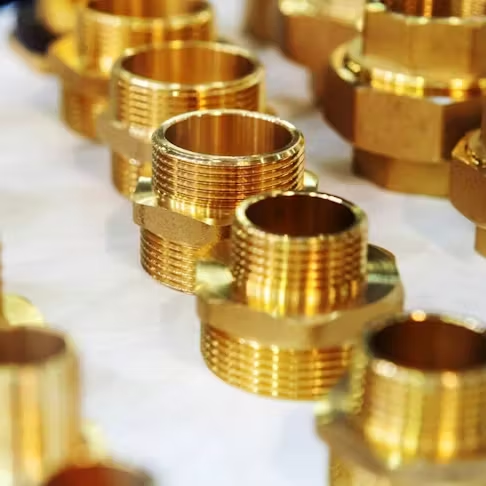
Reliability Of Rapid Prototyping Services
Welcome to the world of rapid prototyping services, where your wildest ideas can go from “Hey, I wonder if…” to “Look, Mom, I made it!” in no time! Think of us as your creative sidekick, always ready to whip up functional prototypes faster than you can say “3D printer.” Our reliability means you can count on us to transform your brainwaves into tangible products without the usual stress that comes with innovation. So, let’s turn that spark of genius into reality—because who doesn’t want to impress their friends with a really cool gadget or two (or three)?
Rapid Prototyping Services Aesthetics
- Ever wanted to turn that wild idea into a tangible masterpiece? Welcome to rapid prototyping—where dreams get a 3D makeover!
- Get ready to impress with aesthetics that could make a Picasso weep—our prototypes look so good they might just end up in a gallery.
- Why settle for “meh” when you can have “wow”? We take your concept and give it a glow-up that’s Instagram-worthy.
- With rapid prototyping, we turn your notions into notions (with style) faster than you can say “I need a prototype!”
- From concept sketch to sleek model, it’s like a makeover show where your ideas steal the spotlight—and they’re always dressed to impress!
- So, grab your ideas and let’s make some prototypes. Because if your design isn’t making jaws drop, are you even prototyping right?
Safety From Top Prototype
- Safety First: Our rapid prototyping services prioritize safety like a cat avoids water—instinctively and effectively!
- Speedy Solutions: Get your ideas off the drawing board faster than a caffeine-fueled rabbit on a trampoline!
- Precision Engineering: We achieve precision that would make even a Swiss watchmaker nod in approval (and maybe drop their cheese!).
- ️ Flexibility Machine: Adjust your designs on-the-fly, like putting on socks while roller skating—just less likely to fall over!
- Expert Support: Our team is here to help, ready to turn your wildest dreams into prototypes faster than you can say, “where’s my coffee?”
4 thoughts on “Rapid Prototyping Services”
The sales and tech team at the company were super patient; they took the time to understand our unique needs and tailored their rapid prototyping services just for us.
Their customer service took the time to go over everything, mentioned that the workshop was really dedicated to producing quality work, and overall, the results were quite impressive—kudos!
After sifting through numerous unfamiliar suppliers, we finally found a great match with your company. Your top-notch rapid prototyping services have confirmed that we made the right choice!
This rapid prototyping service is incredibly clever; it has made my life so much easier! I’m really a fan of this service!
Comments are closed.