3 Key Benefits of Sheet Metal Fabrication
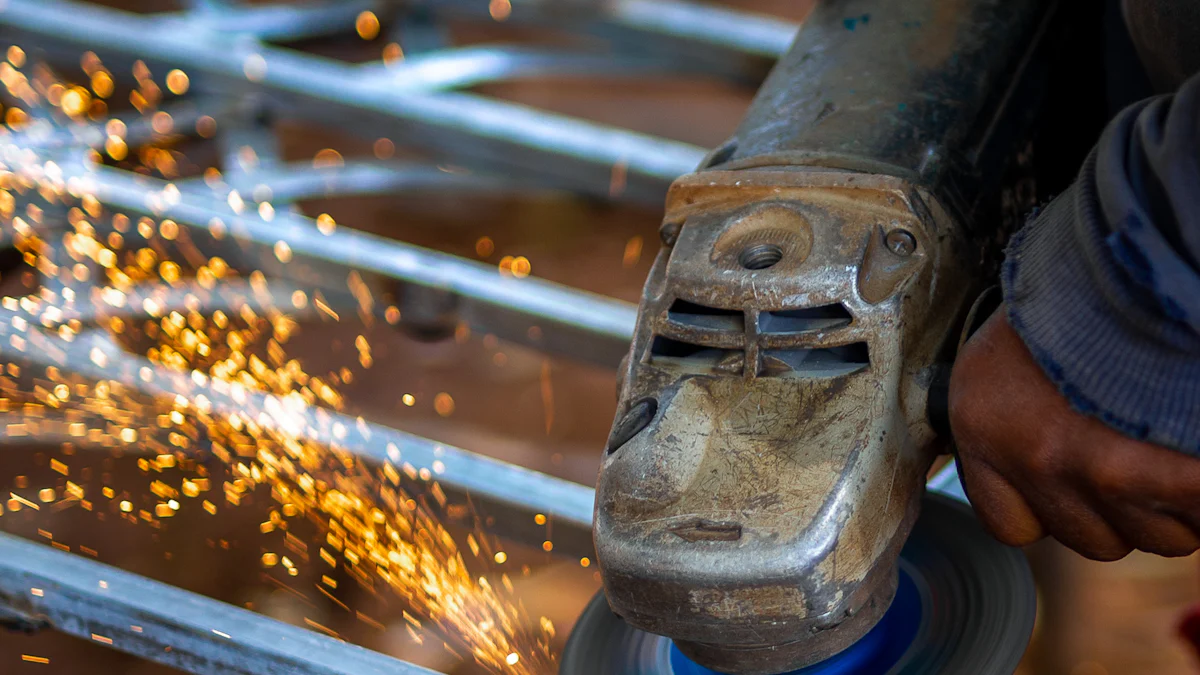
Sheet metal fabrication offers three significant benefits: cost-effectiveness, durability, and versatility. These advantages make it an ideal choice for a wide range of projects. The process becomes more cost-effective as production volume increases, reducing per-unit costs. This affordability, combined with the material’s inherent strength and resistance to environmental factors, ensures long-lasting performance. Additionally, the versatility of sheet metal allows for diverse applications and easy modifications, catering to specific project needs. These attributes highlight the relevance of sheet metal fabrication in various industries, providing practical solutions for complex challenges.
Key Takeaways
- Sheet metal fabrication is a cost-effective manufacturing method, especially beneficial for high-volume production, leading to reduced per-unit costs.
- The durability of sheet metal ensures long-lasting performance, resulting in lower maintenance costs and fewer replacements over time.
- Versatility in sheet metal allows for a wide range of applications across industries, from automotive to aerospace, making it an essential material for various projects.
- Customization is a key advantage; manufacturers can easily modify sheet metal to meet specific design requirements, enhancing project efficiency.
- Technological advancements, such as CAD and CNC, improve precision and reduce lead times in sheet metal fabrication, making it a more efficient process.
- Sustainability initiatives in sheet metal fabrication focus on reducing waste and optimizing resource use, aligning with global environmental goals.
- Top Rapid’s commitment to quality and customer satisfaction ensures that clients receive tailored solutions that meet their unique project needs.
Cost-effectiveness in Sheet Metal Fabrication
Sheet metal fabrication stands out as a cost-effective manufacturing method. It offers significant savings compared to other manufacturing techniques, especially when producing certain types of parts. The affordability stems from both the material and production processes involved.
Affordable Material and Production Costs
Sheet metal fabrication utilizes materials that are generally less expensive than solid blocks or castings made from alternative materials. This affordability is further enhanced by the efficiency and automation inherent in the fabrication processes. Automation reduces labor costs and increases production rates, making sheet metal fabrication an economically viable option for many projects. The streamlined production process ensures that even complex designs can be manufactured without incurring excessive costs, provided the design complexity is managed effectively.
Long-term Financial Benefits
The financial benefits of sheet metal fabrication extend beyond initial production costs. The durability of sheet metal contributes to long-term savings. Products made from sheet metal often require less maintenance and have a longer lifespan, reducing the need for frequent replacements. This longevity translates into substantial cost savings over time, making sheet metal fabrication a wise investment for projects that demand durability and reliability.
Durability of Sheet Metal Fabrication
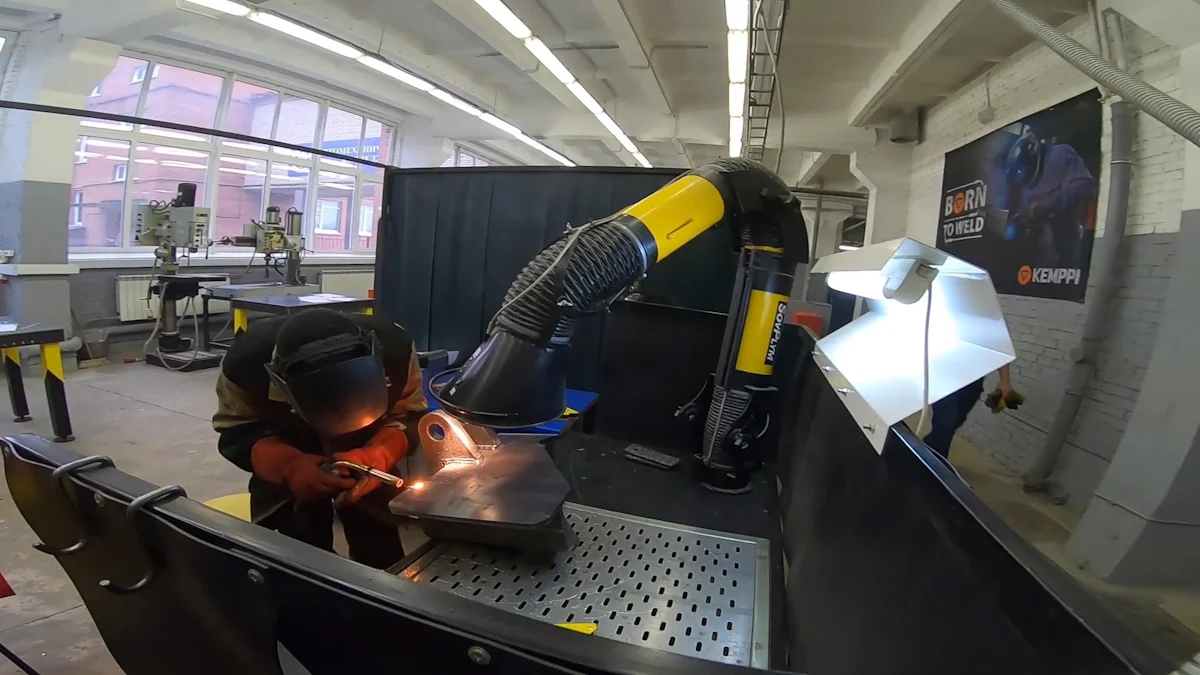
Sheet metal fabrication offers remarkable durability, making it a preferred choice for projects requiring robust and long-lasting materials. The inherent strength of sheet metal, combined with its resistance to environmental factors, ensures that it can withstand various challenges over time.
Strength and Resistance to Environmental Factors
Sheet metal exhibits exceptional strength, which can be further enhanced through techniques such as bending, welding, and heat treatment. These methods make sheet metal suitable for constructing strong structures and load-bearing applications. Additionally, sheet metal materials can endure high-pressure levels, providing reliability in demanding environments.
“Sheet metal is a durable material that’s resistant to corrosion, making it suitable for environments with moisture and exposure to harsh weather conditions.”
This resistance to corrosion and degradation from exposure to sun, water, and other environmental elements makes sheet metal an ideal choice for outdoor and industrial applications. By understanding the properties of different sheet metal materials, manufacturers can select the most appropriate type for their specific needs, ensuring optimal performance and longevity.
Longevity in Various Applications
The durability of sheet metal extends its usefulness across a wide range of applications. Industries such as automotive, construction, and aerospace frequently utilize materials like steel, stainless steel, aluminum, and copper due to their malleability and forming properties. These materials not only provide structural integrity but also offer long-lasting performance, reducing the need for frequent replacements.
The longevity of sheet metal products translates into significant cost savings over time. Projects that demand durability and reliability benefit greatly from the extended lifespan of sheet metal components. This makes sheet metal fabrication a wise investment for those seeking sustainable and efficient solutions.
Versatility of Sheet Metal Fabrication
Sheet metal fabrication showcases remarkable versatility, making it a preferred choice across various industries. This adaptability stems from its ability to transform into numerous shapes and forms, catering to diverse applications and design requirements.
Wide Range of Applications
Sheet metal’s flexibility allows it to serve a multitude of purposes. Industries such as automotive, aerospace, and construction heavily rely on sheet metal for its ability to create intricate designs and precise measurements. Sheet Metal Products include everyday items like kitchen utensils, furniture, and HVAC systems. The material’s strength and durability make it suitable for products that must withstand heat and friction while protecting delicate components.
In the automotive sector, sheet metal forms essential parts like body panels and chassis components. Aerospace industries utilize it for constructing aircraft structures due to its high wear and tensile resistance. The construction industry benefits from sheet metal’s structural integrity, using it in architectural frameworks and building facades. This wide range of applications highlights the material’s indispensable role in modern manufacturing.
Ease of Modification and Design Flexibility
The design flexibility of sheet metal fabrication is another significant advantage. Manufacturers can easily modify sheet metal to meet specific project needs, allowing for the creation of complex shapes with high structural integrity. Techniques such as cutting, bending, and welding enable the production of custom parts tailored to unique specifications.
Sheet Metal Fabrication Benefits include the ability to quickly adapt designs without compromising quality. This ease of modification ensures that manufacturers can respond swiftly to changing demands or design alterations. The precision and speed offered by sheet metal fabrication make it an ideal choice for industries requiring rapid prototyping and mass production.
Moreover, the availability of various metals like aluminum, brass, copper, and steel enhances the versatility of sheet metal. Each metal offers distinct properties, allowing manufacturers to select the most suitable material for their specific application. This adaptability ensures that sheet metal fabrication remains a vital component in producing innovative and efficient solutions across multiple sectors.
How Top Rapid Enhances Sheet Metal Fabrication Benefits
Top Rapid plays a pivotal role in advancing the benefits of sheet metal fabrication through its innovative techniques and unwavering commitment to quality and customer satisfaction. By leveraging cutting-edge technology and industry expertise, Top Rapid ensures that clients receive superior products tailored to their specific needs.
Innovative Techniques in Fabrication
Top Rapid employs state-of-the-art fabrication techniques to enhance the efficiency and precision of sheet metal fabrication. The company utilizes advanced machinery and automation to streamline production processes, reducing lead times and minimizing errors. This approach not only improves the quality of the final product but also optimizes resource utilization, making the fabrication process more sustainable.
Rapid Axis, a leader in the industry, exemplifies the use of innovative techniques by focusing on high precision in custom fabrication. Their experts apply best practices across various sectors, including aerospace and automotive, to deliver exceptional results. By integrating these advanced methods, companies like Rapid Axis ensure that each project meets the highest standards of quality and functionality.
Commitment to Quality and Customer Satisfaction
Top Rapid’s dedication to quality and customer satisfaction sets it apart in the sheet metal fabrication industry. The company prioritizes rigorous quality control measures at every stage of the fabrication process. This commitment guarantees that each product not only meets but exceeds client expectations.
Fathom Manufacturing highlights the importance of rapid prototyping in achieving customer satisfaction. By providing functional prototypes, they allow clients to test a design’s form, fit, and function before mass production. This approach reduces overall costs and ensures that the end product aligns with the client’s vision and requirements.
Top Rapid’s focus on customer satisfaction extends beyond product delivery. The company maintains open communication with clients, offering support and guidance throughout the project lifecycle. This proactive approach fosters strong client relationships and ensures that Top Rapid remains a trusted partner in delivering high-quality sheet metal fabrication solutions.
Applications of Sheet Metal Fabrication
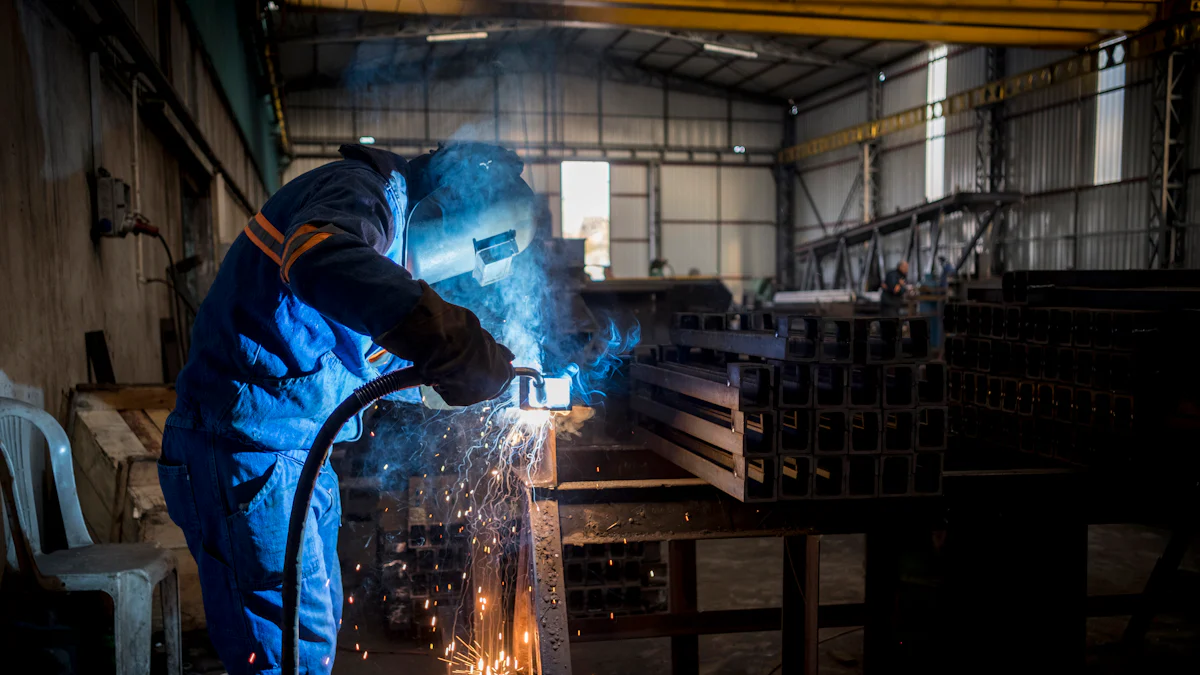
Sheet metal fabrication plays a crucial role in numerous industries, transforming raw metal sheets into essential components and structures. This process involves cutting, bending, and assembling metal to create parts that meet specific requirements. The versatility and adaptability of sheet metal make it indispensable in modern manufacturing.
Industries Benefiting from Sheet Metal Fabrication
Many industries rely on sheet metal fabrication for their operations. The automotive industry uses it extensively for manufacturing body panels, chassis components, and other structural parts. These components require precision and durability, which sheet metal fabrication provides.
In the aerospace sector, sheet metal forms critical parts of aircraft structures. The material’s strength and resistance to environmental factors ensure safety and reliability in demanding conditions. Additionally, the construction industry benefits from sheet metal’s structural integrity, using it in building facades, roofing, and architectural frameworks.
The electronics industry also utilizes sheet metal for creating enclosures and casings that protect delicate components. Its ability to withstand heat and friction makes it ideal for these applications. Furthermore, the HVAC industry relies on sheet metal for ductwork and ventilation systems, where durability and precision are paramount.
Customization for Specific Project Needs
Sheet metal fabrication offers significant customization options, allowing manufacturers to tailor products to specific project requirements. Techniques such as cutting, bending, and welding enable the creation of complex shapes and designs with high precision. This flexibility ensures that manufacturers can meet unique specifications without compromising quality.
Customization extends to the choice of materials as well. Various metals, including aluminum, brass, copper, and steel, offer distinct properties that cater to different applications. Manufacturers can select the most suitable material based on factors like strength, weight, and corrosion resistance, ensuring optimal performance for each project.
The ability to modify designs quickly and efficiently makes sheet metal fabrication an attractive option for industries requiring rapid prototyping and mass production. This adaptability allows businesses to respond swiftly to changing market demands and design alterations, maintaining a competitive edge.
Future Trends in Sheet Metal Fabrication
The future of sheet metal fabrication promises exciting advancements and opportunities. As industries continue to evolve, the demand for precision and efficiency in manufacturing processes grows. This section explores the technological advancements and market growth prospects that will shape the future of sheet metal fabrication.
Technological Advancements
Technological innovations play a crucial role in enhancing the capabilities of sheet metal fabrication. The integration of Computer-Aided Design (CAD) and Computer Numerical Control (CNC) machines has revolutionized the industry. These technologies enable precise cutting, bending, and forming operations, ensuring high accuracy and consistency in finished products.
“The adoption of CAD and CNC technologies allows for intricate designs and complex geometries, which were previously challenging to achieve.”
Automation further streamlines production processes, reducing lead times and minimizing human error. Advanced machinery and robotics facilitate faster turnaround times, making sheet metal fabrication a cost-effective solution for various applications. As technology continues to advance, the industry can expect even greater efficiency and precision in manufacturing processes.
Market Growth and Opportunities
The sheet metal fabrication market is poised for significant growth, driven by increasing demand across multiple industries. Sectors such as automotive, aerospace, construction, and electronics rely heavily on sheet metal for their operations. The versatility and adaptability of sheet metal make it indispensable in modern manufacturing.
Emerging trends in sustainability and eco-friendly practices also present new opportunities for the industry. Manufacturers are exploring innovative materials and processes to reduce environmental impact. This shift towards sustainable practices aligns with global efforts to minimize carbon footprints and promote responsible manufacturing.
“Sustainability initiatives in sheet metal fabrication focus on reducing waste and optimizing resource utilization.”
The growing emphasis on customization and tailored solutions further fuels market expansion. Industries seek unique designs and specifications to meet specific project needs. Sheet metal fabrication offers the flexibility to create custom parts efficiently, catering to diverse applications and design requirements.
Sheet metal fabrication offers three key benefits: cost-effectiveness, durability, and versatility. These advantages make it an attractive choice for various industries, providing efficient solutions for complex challenges. By considering these benefits, businesses can enhance their project outcomes and achieve long-term success. Top Rapid plays a crucial role in delivering high-quality sheet metal fabrication services, ensuring that clients receive products tailored to their specific needs. Their commitment to innovation and customer satisfaction sets them apart as a leader in the industry.
FAQ
What are the benefits of sheet metal fabrication?
Sheet metal fabrication offers numerous advantages, including speed, precision, and versatility. These attributes make it a preferred choice across various industries. By understanding the intricacies of sheet metal fabrication, designers can effectively and economically bring their visions to life.
What is the sheet metal fabrication process?
The sheet metal fabrication process involves transforming raw sheets of metal into diverse components. This transformation requires various tools to bend, cut, shrink, and shape the metal into the desired form, such as a conical hopper. The process is complex and demands expertise to achieve precise results.
How does sheet metal fabrication ensure cost-effectiveness?
Sheet metal fabrication ensures cost-effectiveness through affordable material and production costs. The use of less expensive materials, combined with efficient and automated processes, reduces labor costs and increases production rates. This makes it an economically viable option for many projects.
Why is sheet metal considered durable?
Sheet metal is renowned for its durability due to its inherent strength and resistance to environmental factors. Techniques like bending, welding, and heat treatment enhance its robustness, making it suitable for constructing strong structures and load-bearing applications.
In what industries is sheet metal fabrication commonly used?
Sheet metal fabrication is widely used in industries such as automotive, aerospace, construction, electronics, and HVAC. Its versatility allows it to serve various purposes, from manufacturing body panels and aircraft structures to creating enclosures and ductwork.
How does sheet metal fabrication offer design flexibility?
Sheet metal fabrication offers significant design flexibility by allowing manufacturers to easily modify the material to meet specific project needs. Techniques such as cutting, bending, and welding enable the creation of custom parts tailored to unique specifications, ensuring high structural integrity.
What role does technology play in sheet metal fabrication?
Technology plays a crucial role in enhancing sheet metal fabrication capabilities. The integration of Computer-Aided Design (CAD) and Computer Numerical Control (CNC) machines allows for precise cutting, bending, and forming operations. These advancements ensure high accuracy and consistency in finished products.
How does sheet metal fabrication contribute to sustainability?
Sheet metal fabrication contributes to sustainability by optimizing resource utilization and reducing waste. Manufacturers explore innovative materials and processes to minimize environmental impact, aligning with global efforts to promote responsible manufacturing practices.
What future trends are expected in sheet metal fabrication?
Future trends in sheet metal fabrication include technological advancements and market growth opportunities. The industry anticipates greater efficiency and precision in manufacturing processes, driven by the adoption of automation and advanced machinery. Additionally, the growing emphasis on customization and eco-friendly practices presents new opportunities for expansion.
How does Top Rapid enhance the benefits of sheet metal fabrication?
Top Rapid enhances the benefits of sheet metal fabrication through innovative techniques and a commitment to quality and customer satisfaction. By leveraging cutting-edge technology and industry expertise, Top Rapid ensures superior products tailored to specific client needs, setting them apart as a leader in the industry.