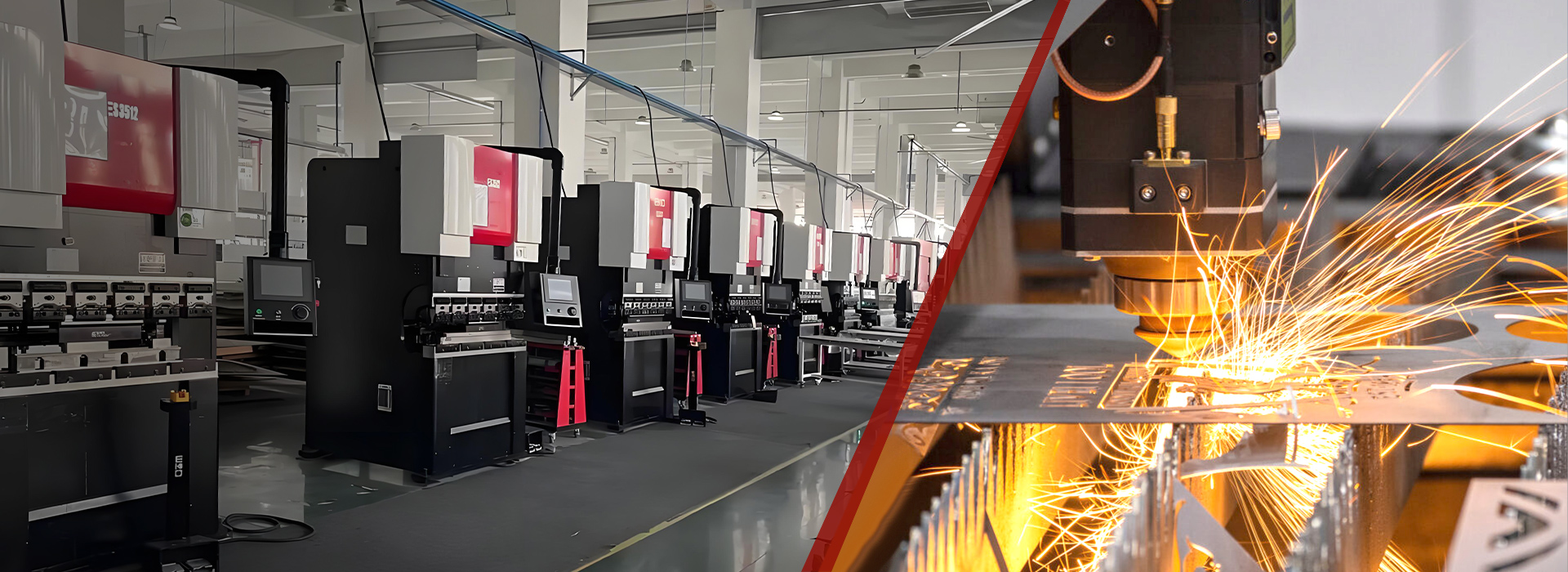
Rapid Prototyping Chicago – Trimming 35% Cost

Best wholesaling rapid prototyping chicago from top prototype | chinese supplier top prototype provides quality rapid prototyping chicago ,& owns a long experience, providing top rapid prototyping chicago.
Check Out Our Top Prototype Category

Best wholesaling rapid prototyping chicago from top prototype | chinese supplier top prototype provides quality rapid prototyping chicago ,& owns a long experience, providing top rapid prototyping chicago.
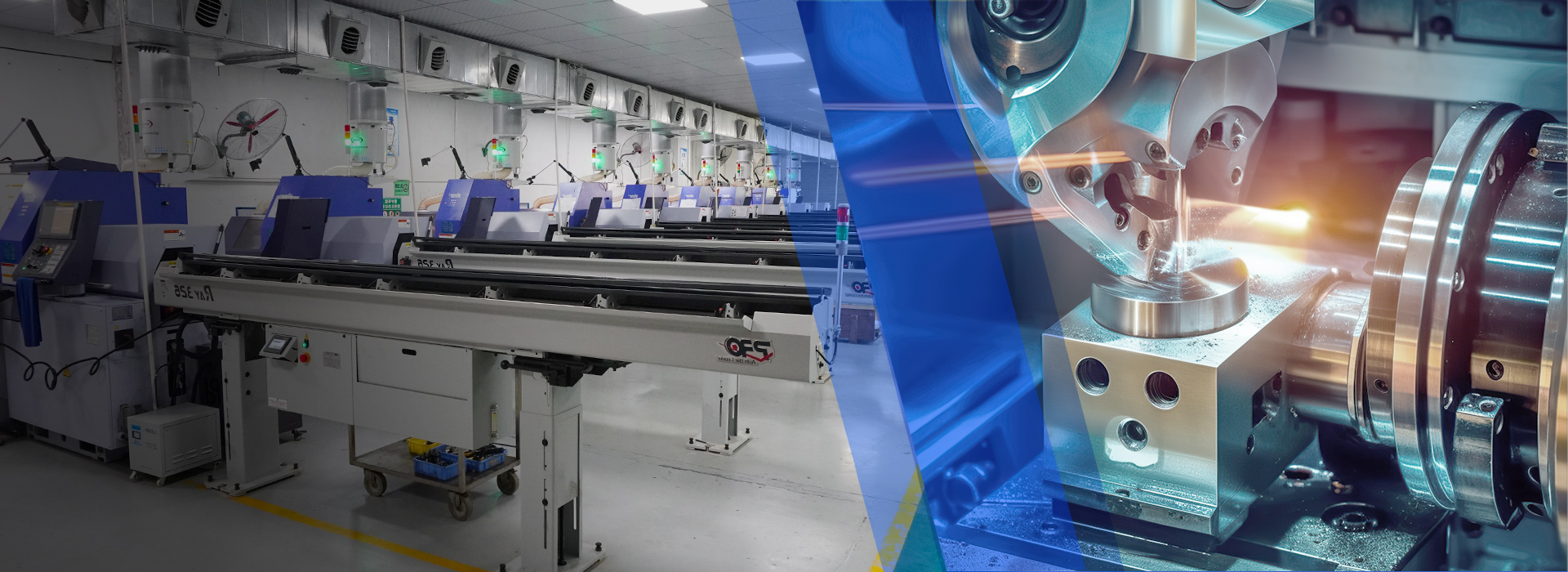
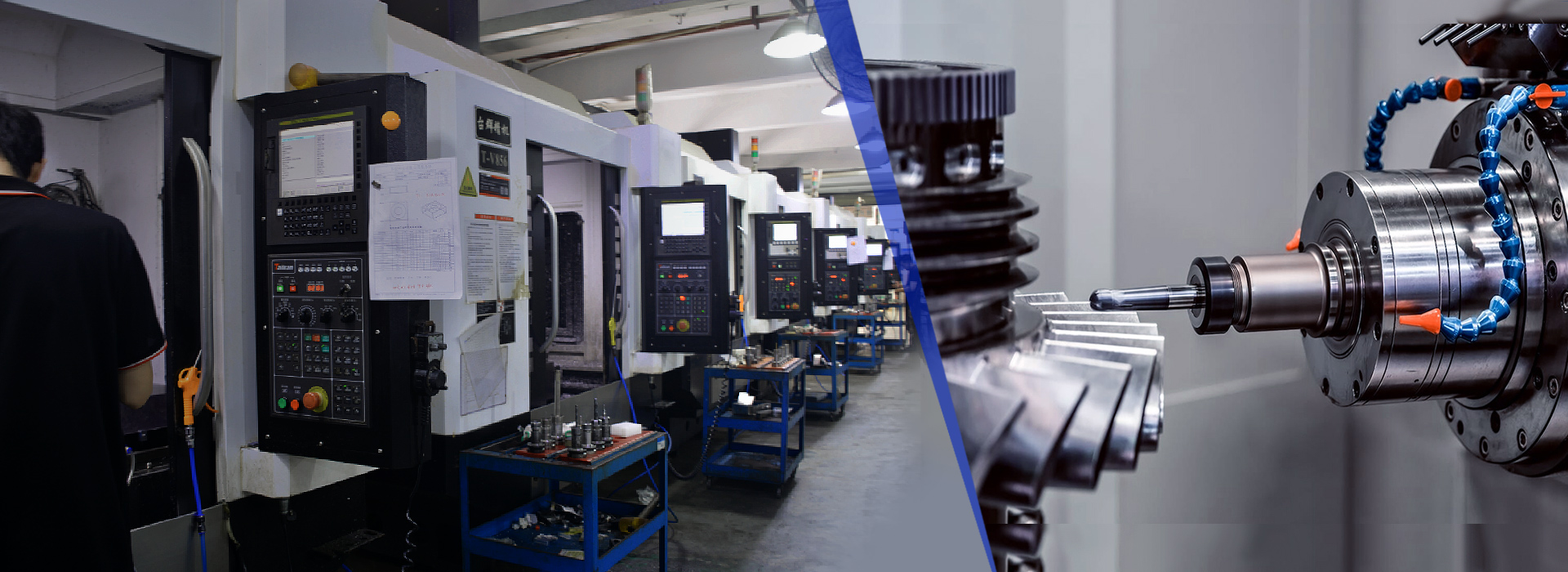
 5-AXIS CNC MACHINING

5-AXIS CNC MACHINING rapid prototyping chicago

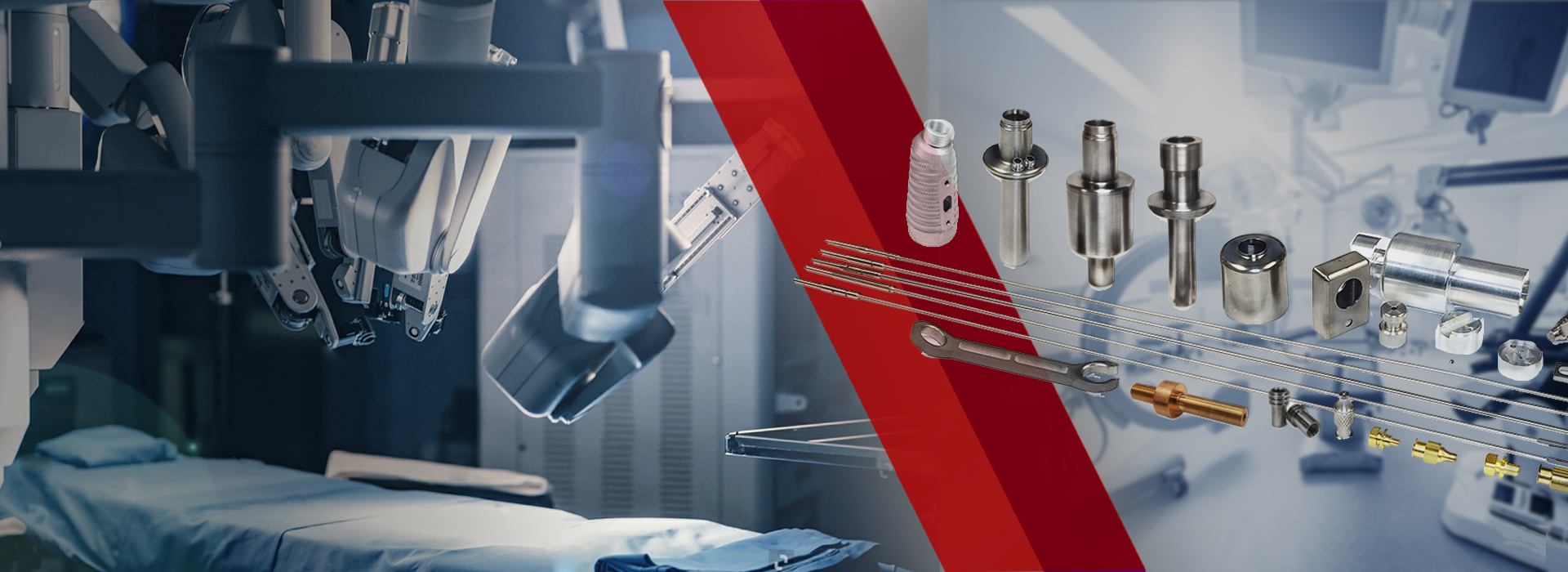
 Medical Device Manufacturing

Medical Device Manufacturing rapid prototyping chicago

 SWISS LATHE PROCESSING

SWISS LATHE PROCESSING rapid prototyping chicago

 5-AXIS CNC MACHINING

5-AXIS CNC MACHINING rapid prototyping chicago

  SHEET METAL PROCESSING

SHEET METAL PROCESSING rapid prototyping chicago

 Medical Device Manufacturing

Medical Device Manufacturing rapid prototyping chicago

Rapid Prototyping Chicago – Enhance Your Profit Margins With Top Prototype!

Find exceptional Top-notch rapid prototyping chicago options at TOP Prototype. If rapid prototyping chicago are on your list, it’s worth thinking about TOP Prototype & rapid prototyping chicago.
Customer Insights On Rapid Prototyping Chicago: Read Their Reviews Now!

Our highly recommended rapid prototyping chicago have a global presence, satisfying customers worldwide.

4 thoughts on “Rapid Prototyping Chicago”

  1. The team at this company was a breeze to collaborate with; she addressed all my inquiries and got my rapid prototyping Chicago order sorted out in no time!

  2. This supplier is well-regarded, and after working together, we truly appreciate their expertise, extensive experience, and keen insight into what customers want—especially when it comes to rapid prototyping in Chicago!

  3. We’ve been collaborating with this company for quite a while now, and we’ve always been happy with our past dealings. Their logistics are quick, and their customer service is super patient when answering our questions about rapid prototyping in Chicago.

  4. The quality of the rapid prototyping in Chicago is excellent, with top-notch craftsmanship and no signs of poor construction. Our leaders are really pleased with it!

Comments are closed.

Want To Know More About Rapid Prototyping Chicago And How It Can Benefit You?

We ensure that our production worth purchasing meet the highest standards of quality, durability, and ease of maintenance. Dive into our website for further details.
Get Started

Faster

When you complete the part design, share it with our company by email and synchronize your requirements.TOP Prototype adopts the most efficient quotation service and focuses on your product requirements.

More Responsive Quotes

We will give you feedback within 1 hour to ensure that you receive professional processing suggestions, lower processing costs and a faster delivery time.

Variety

Our services range from prototype design to large-scale production, from CNC lathes to milling centers, injection molding, advanced 3D printing equipment, etc.

What are the benefits of rapid prototyping in Chicago?

Rapid prototyping in Chicago allows for faster product development, reduced costs, and the ability to test and iterate designs quickly, which can lead to more innovative solutions and improved market readiness.

What industries in Chicago utilize rapid prototyping?

Industries such as manufacturing, healthcare, automotive, and consumer goods frequently use rapid prototyping in Chicago to enhance product design and development processes.

How can I find rapid prototyping services in Chicago?

You can find rapid prototyping services in Chicago by searching online directories, visiting local maker spaces, or contacting engineering firms that specialize in design and manufacturing.

What technologies are commonly used in rapid prototyping?

Common technologies used in rapid prototyping include 3D printing, CNC machining, and injection molding, which allow for the creation of accurate and functional prototypes.

Want To Know More About Rapid Prototyping Chicago?

Discover how TOP Prototype’s commitment to excellence enriches the landscape of rapid prototyping chicago for all enthusiasts.
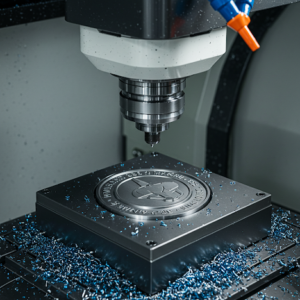
Precision Redefined: CNC Machining for Automotive Camshafts by TOP Prototype

Precision Redefined: CNC Machining for Automotive Camshafts by TOP Prototype Every high-performance automotive engine has a core component: the camshaft. It acts as the “brain” of the valve train. It controls the timing and lift of engine valves. This directly impacts combustion efficiency, torque output, and overall engine performance. Advanced automotive engineering relies heavily on CNC (Computer Numerical Control) machining. CNC machining delivers unmatched

Read More »

Tapped Holes vs Threaded Holes – Differences and Comparison

Tapped Holes vs Threaded Holes – Differences and Comparison In mechanical manufacturing, assembly, and precision engineering, internal threaded holes serve as the “connective tissue” of components, enabling secure fastening, precise positioning, and stable load transmission. Tapped holes and threaded holes, two widely applied types of internal threaded structures, are often conflated due to their overlapping functional goals. Yet their divergence in processing principles, structural integrity, and practical performance is substantial—differences that directly affect product reliability, production costs, and service life. This article systematically distinguishes the two, enriches the discussion with industrial practices and material science facts, simplifies complex terminology, and reconstructs the logical framework to clarify their characteristics, advantages, and application boundaries for engineering practitioners. 1. Definitions and Core Structural Traits 1.1 Tapped Holes: Direct Thread Formation in Base Material A tapped hole is an internal threaded hole formed by the tapping process, where a specialized cutting tool (tap) cuts or forms threads on the inner wall of a pre-drilled pilot hole. Unlike indirect threading methods, tapped holes integrate threads directly into the workpiece’s base material—no auxiliary inserts or reinforcements are involved. Taps operate on a subtractive principle: they remove excess material from the pilot hole’s inner surface to form standardized thread profiles, such as metric (M series), unified coarse (UNC), or unified fine (UNF) threads, with precision grades ranging from 2B (general purpose) to 3B (high precision) for imperial threads. This integration with the base material means tapped holes’ performance is inherently tied to the workpiece’s material properties. For instance, in medium-carbon steel (e.g., 45# steel) or 6061 aluminum alloy—materials with moderate ductility and strength—tapped holes deliver reliable thread retention. They are widely adopted in scenarios where the workpiece itself can bear fastening loads, avoiding the need for additional components. 1.2 Threaded Holes: A Broad Category with Indirect Threading Dominance The term “threaded hole” is a generic concept encompassing all holes with internal threads, including tapped holes. In industrial practice, however, it primarily refers to holes where threads are formed indirectly—most commonly via threaded inserts. These inserts, made of high-strength materials like 304 stainless steel or titanium alloy, are installed into pre-drilled holes to provide the internal thread interface, decoupling thread performance from the workpiece’s base material. Beyond insert-based threading, threaded holes also include structures formed by thread rolling, casting, or injection molding. Thread rolling, for example, is used for high-volume production of ductile materials like copper or low-carbon steel, forming threads through plastic deformation rather than cutting. Cast or molded threaded holes are integral to composite parts (e.g., glass-fiber reinforced plastic) or plastic components, where threads are pre-designed in the mold to eliminate post-processing. 2. Core Differences in Processing Principles and Operations The fundamental gap between tapped holes and threaded holes lies in their thread formation mechanisms—each dictating processing efficiency, precision limits, and material applicability. Simplifying these mechanisms reveals why each is preferred in specific scenarios. 2.1 Tapped Holes: Two-Step Subtractive Processing Tapping follows a rigid two-step workflow: first, drilling a pilot hole with a diameter strictly matched to the target thread (e.g., a 6.8mm pilot hole for an M8×1.25 tap); second, cutting threads using a hand tap (for small batches or manual operations) or machine tap (for automated production on CNC lathes, milling machines, or dedicated tapping centers). Critical process parameters directly impact thread quality: tap speed (typically 10-30 m/min for steel, 20-50 m/min for aluminum), feed rate (matched to thread pitch to avoid thread distortion), and lubrication (cutting oil for ferrous metals, cutting fluid for non-ferrous metals to reduce friction and prevent burring). Brittle materials like gray cast iron (HT200) or zirconia ceramic require specialized spiral-flute taps to evacuate chips and avoid cracking, while ductile materials like copper demand straight-flute taps for smooth chip removal. 2.2 Threaded Holes: Indirect Formation with Diversified Methods Insert-based threaded holes, the most common type, follow a three-step process: drilling a hole matching the insert’s outer diameter (e.g., a 10.2mm hole for an M8 helical insert), installing the insert via pressing, self-tapping, or adhesive bonding, and verifying thread accuracy. Helical wire inserts (HeliCoils), for example, are coiled stainless steel wires with a diamond cross-section—when installed, they expand to lock into the pre-drilled hole, distributing fastening loads over a larger surface area to prevent thread stripping. Other threading methods for threaded holes have clear niche applications: thread rolling achieves higher thread strength (up to 30% higher than cut threads due to work hardening) and is used for high-volume parts like automotive bolts; casting/molding eliminates post-processing but is limited to parts with simple thread geometries, as complex threads may cause mold release issues. 3. Performance Comparison and Practical Application Scenarios Evaluating strength, precision, cost, and maintainability reveals the practical trade-offs between tapped holes and threaded holes. Grounded in industrial data and real-world cases, this comparison helps engineers make evidence-based selections. 3.1 Strength and Load-Bearing Capacity Tapped holes’ load capacity is material-dependent: in high-strength alloys (e.g., 40CrNiMoA steel), a properly tapped M10 hole can withstand a tensile load of approximately 15-20 kN, meeting the needs of heavy machinery. However, in soft materials like PVC plastic or thin-walled aluminum (wall thickness < 2mm), tapped threads strip easily—even with moderate loads. Threaded holes with inserts resolve this limitation: a 304 stainless steel insert in a PVC workpiece boosts thread tensile strength by 5-8 times, enabling repeated fastening without damage. For applications requiring frequent assembly/disassembly (e.g., tooling fixtures), inserts extend service life by 3-5 times compared to tapped holes, as worn inserts can be replaced without reworking the entire part. 3.2 Precision and Dimensional Consistency Tapped holes can achieve high precision with high-quality taps and automated equipment, but tool wear introduces variability. A carbide tap for steel, for example, maintains precision for 5,000-8,000 holes before thread pitch deviation exceeds ±0.01mm. Threaded holes with inserts offer superior consistency: inserts are manufactured to ISO 898-1 standards, with thread pitch tolerance controlled within ±0.005mm. This level of precision is non-negotiable in aerospace (e.g., aircraft engine components) and medical devices (e.g., surgical instrument fasteners), where thread misalignment can lead to catastrophic failures. 3.3 Cost and Production Efficiency For low-to-medium batches (100-10,000 parts), tapped holes are 30-50% more cost-effective: the process requires only a drill press ($500-$2,000) and taps ($10-$50 each), with no additional material costs. Automated tapping centers boost high-volume efficiency, processing up to 1,000 holes per hour. Threaded holes with inserts incur higher upfront costs—inserts cost $0.5-$5 each, plus installation tools ($500-$1,500)—but reduce long-term costs for critical parts. For example, in automotive plastic bumpers, replacing a stripped tapped hole would require scrapping the bumper ($50-$100), while replacing an insert costs less than $2. 3.4 Typical Application Cases Tapped holes dominate in scenarios where base material strength suffices: automotive engine blocks (cast iron or aluminum) use tapped holes for bolt fastening, machinery frames (steel) rely on them for structural connections, and consumer electronics (aluminum housings) adopt them for component assembly. Threaded holes with inserts are preferred for soft materials (plastic enclosures, magnesium alloys), thin-walled parts (aircraft aluminum panels), critical applications (aerospace fasteners, implantable medical devices), and parts requiring maintenance (industrial tooling, marine equipment). 4. Misconception Correction and Selection Framework 4.1 Common Misconceptions Debunked Myth 1: “Tapped holes and threaded holes are identical.” Fact: Tapped holes are a subset of threaded holes, but industrial terminology reserves “threaded holes” for insert-based or non-tapped structures. Myth 2: “Tapped holes are always weaker.” Fact: In high-strength metals, tapped holes match or exceed insert-based threaded holes in load capacity—an M10 tapped hole in 40Cr steel outperforms an insert in aluminum. Myth 3: “Tapping is simpler than insert installation.” Fact: Tapping requires stricter process control (speed, feed, lubrication), while insert installation is more standardized and less prone to human error. 4.2 Practical Selection Guidelines Engineers should prioritize five core factors: 1) Material: Choose tapped holes for high-strength metals (steel, alloy aluminum); inserts for soft materials (plastic, magnesium) or thin walls. 2) Load: Tapped holes for moderate static loads; inserts for heavy loads or repeated dynamic loads. 3) Precision: Inserts for aerospace/medical high-precision needs; tapped holes for general-purpose applications. 4) Batch Size: Tapped holes for low-to-medium batches; inserts for high-volume critical parts. 5) Maintainability: Inserts for parts requiring repair; tapped holes for one-time assembly components. Tapped holes and insert-based threaded holes are not competing technologies but complementary solutions tailored to different engineering needs. Tapped holes excel in cost-effectiveness and simplicity for strong materials and moderate demands, while threaded holes with inserts deliver superior strength, precision, and maintainability for soft materials, thin walls, and critical applications. By grasping their processing differences, performance trade-offs, and application boundaries—backed by material science facts and industrial practices—engineers can optimize part design, enhance product reliability, and balance production costs. In the end, the right choice hinges on aligning the hole type with the workpiece’s material, load requirements, production scale, and service goals.

Read More »

Bearing type: Characteristics and applications

Bearing type: Characteristics and applications If we break down rotating mechanical devices, systems or mechanisms, the different movements of their components are essential to their function. For example, blades rotate around the hub of a wind turbine to generate electricity. Do you know which devices or components control and indicate the desired movement within a

Read More »
Precision Camshaft Machining

CNC Machining for Automotive Camshafts by TOP Prototype

Precision Redefined: CNC Machining for Automotive Camshafts by TOP Prototype Every high- performance automotive engine has a core component: the camshaft. It acts as the “brain” of the valve train. It controls the timing and lift of engine valves. This directly impacts combustion efficiency, torque output, and overall engine performance. Advanced automotive engineering relies heavily on CNC (Computer Numerical Control) machining. CNC machining delivers

Read More »

What is die casting? Process, material, application, cost

What is die casting? Process, material, application, cost Die casting turns vision into reality, enabling the precise manufacture of complex metal components that are the backbone of today’s leading industries from automotive to electronics. At the heart of the process is the high-pressure injection of molten metal into elaborate molds, laying the foundation for innovation

Read More »

More About Rapid Prototyping Chicago & Top Prototype

Nowadays with the development of internet, we’ve got decided to extend business to overseas market. We supply our rapid prototyping chicago worldwide, with markets including Southeast Asia, West Africa, Mexico, Western Europe, etc. While in the past few years, our factory absorbed and digested integrated advanced technologies, defining our professional approach. Our excellent management, strong technical capability and strict quality control system, help to provide our clients with reliable quality, tailoring production according to your needs is fine, each product has been professionally certified to meet industry standards. We are looking forward to cooperating with you and providing our best services for you, as well as our rapid prototyping chicago, Aerospace Manufacturing,5-AXIS CNC MACHINING. We make great efforts to achieve this win-win situation, precision defines our every move, we put you, the customer, first. We will create a brilliant future in the production with our partners. Please make contact with us by sending us emails or call us when you’ve got any questions about our products or service. TOP Prototype is dedicated into the market to providing premium rapid prototyping chicago and service worldwide.

Why Choose Top Prototype Rapid Prototyping Chicago ?

In the heart of Chicago, the spirit of innovation thrives through the dynamic world of rapid prototyping. With a vibrant community of creators, engineers, and designers, this city has become a hub for transforming ideas into tangible realities at an unprecedented pace. Here, the temper of the creative process is uplifted, driven by cutting-edge technologies and collaborative workshops that foster experimentation and iteration. Rapid prototyping in Chicago not only accelerates product development but also encourages a culture of growth and learning, empowering entrepreneurs and established businesses alike to bring their visions to life with confidence and efficiency.
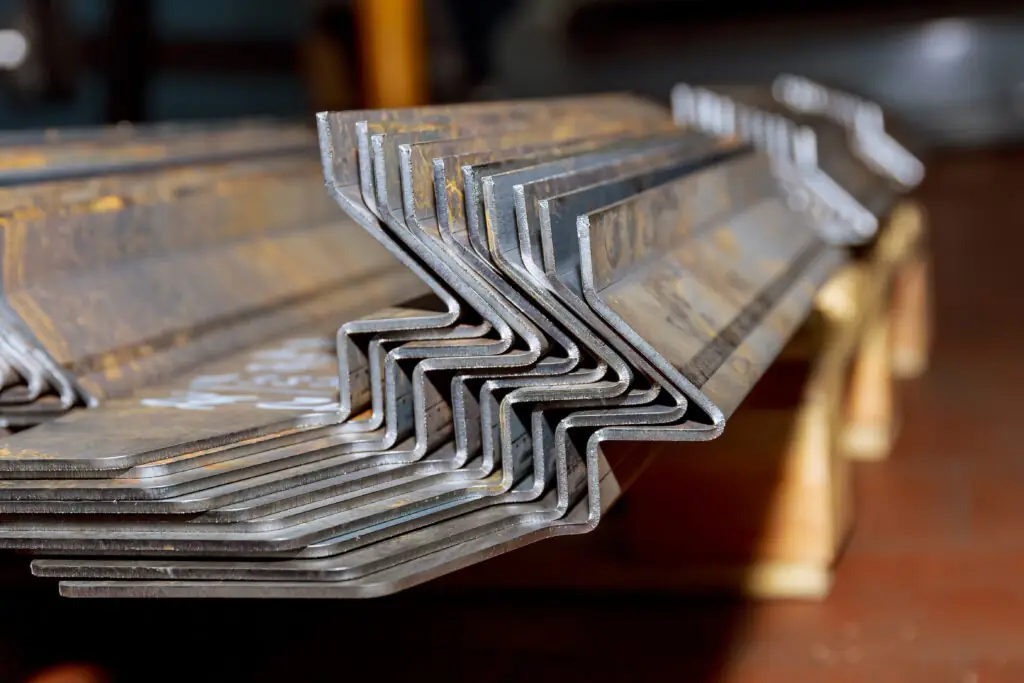
  Aesthetics of rapid prototyping chicago

Aesthetics Of Rapid Prototyping Chicago

Welcome to the vibrant world of rapid prototyping in Chicago! Here, creativity meets technology in a delightful dance of innovation. With an eye for aesthetics, Chicago’s design scene embraces sleek lines, vibrant colors, and functional beauty, all while fostering a laid-back atmosphere. Whether you’re a seasoned designer or a curious newcomer, the city’s rapid prototyping hubs invite you to explore and experiment. From 3D printing to laser cutting, the tools are at your fingertips to bring your imaginative ideas to life, all wrapped in the friendly charm of the Windy City.

Rapid Prototyping Chicago Precision

  • Precision: Rapid prototyping in Chicago is all about accuracy—bringing your ideas to life with laser-like focus.
  • Speed: Get your prototypes faster than you can say “next big thing,” allowing for quick iterations and improvements.
  • Diversity: From 3D printing to CNC machining, Chicago offers a rich palette of techniques to suit various project needs.
  • Collaboration: Engage with local makers, designers, and engineers who are eager to turn your vision into a tangible product.
  • Innovation: Stay ahead of the curve with cutting-edge technology and creative solutions that challenge the norm.
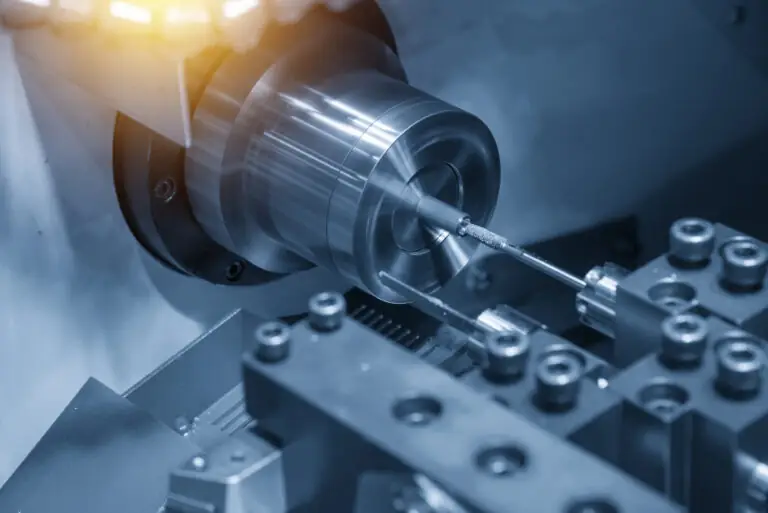
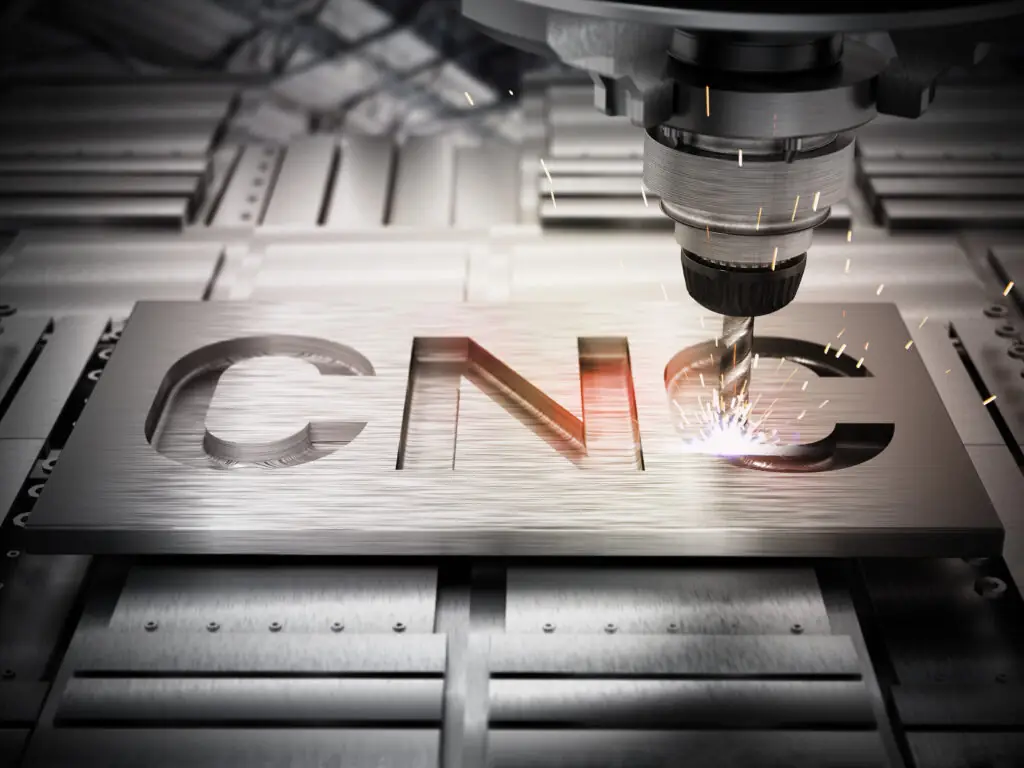
 rapid prototyping chicago Precision

 Ease Of Construction from TOP Prototype

Ease Of Construction From Top Prototype

  • Quick Turnaround: Rapid prototyping in Chicago allows for fast construction, minimizing the time from concept to tangible product.
  • Accessible Technology: With state-of-the-art facilities, local makerspaces and tech hubs make it easy for anyone to jump into prototyping.
  • Collaborative Community: A supportive atmosphere encourages teamwork among designers, engineers, and entrepreneurs for greater innovation.
  • Variety of Materials: Access to diverse materials makes it simple to create prototypes that suit both form and function.
  • Iterative Design: The ease of making adjustments fosters an environment where ideas can evolve quickly and efficiently.


Scroll to Top

Contact Us

Upload Your Files to Get Instant Quote and DFM Feedback
(Please attach 2D CAD drawings and 3D CAD models in any format including STEP,STP, IGES, DWG, PDF, STL, PDF, JPG , ZIP, RAR, etc