
Medical Device Rapid Prototyping | Cost-Efficient
Discover medical device rapid prototyping from top prototype – quality and style combined! top prototype, providing reliable medical device rapid prototyping , owning many yrs experience, offers the best medical device rapid prototyping.
Explore Our Top Prototype Offerings
Discover medical device rapid prototyping from top prototype – quality and style combined! top prototype, providing reliable medical device rapid prototyping , owning many yrs experience, offers the best medical device rapid prototyping.
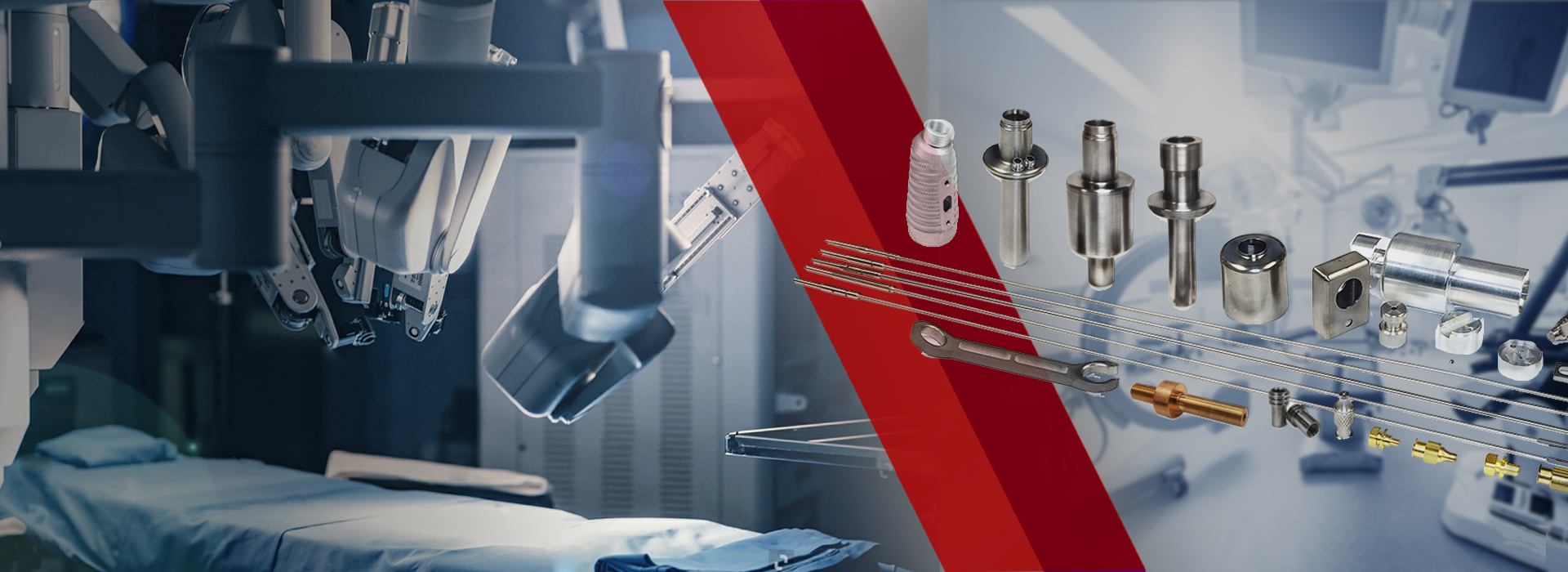

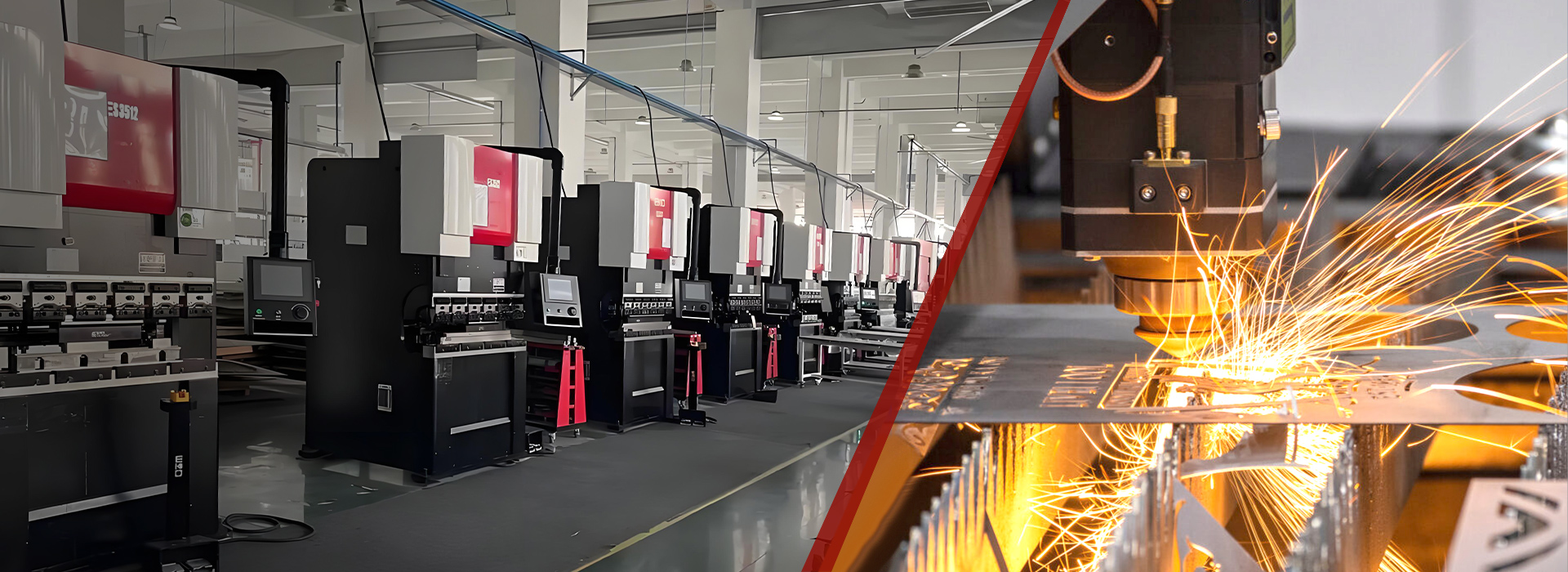

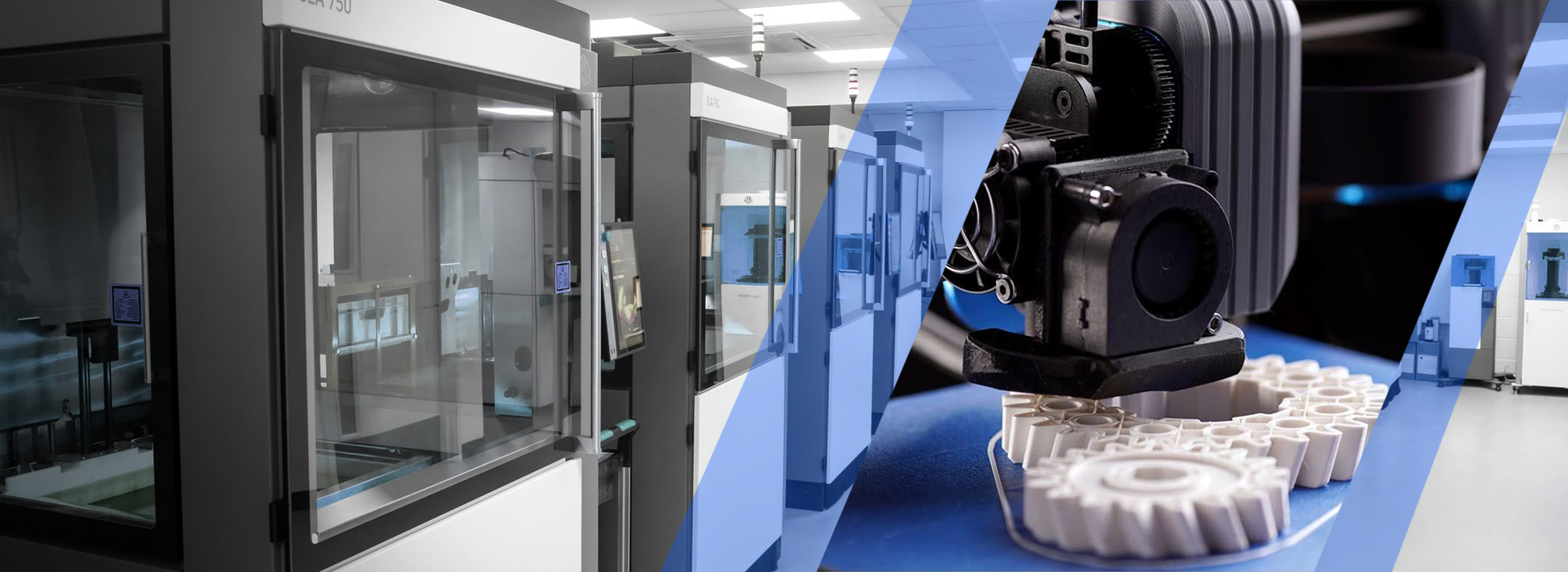
Medical Device Rapid Prototyping Boost Your Profit!
Upgrade with Premium medical device rapid prototyping from TOP Prototype. When medical device rapid prototyping are essential, turn to TOP Prototype & top medical device rapid prototyping.
Customer Review About Medical Device Rapid Prototyping: View Custom Reviews Now!
Our clientele spans the globe as we provide top-notch medical device rapid prototyping to customers worldwide.
Have Questions About Medical Device Rapid Prototyping? Contact Us For Answers!
Our production worth purchasing stand out for their high quality, resilience, and user-friendly maintenance. Learn more by visiting our website.
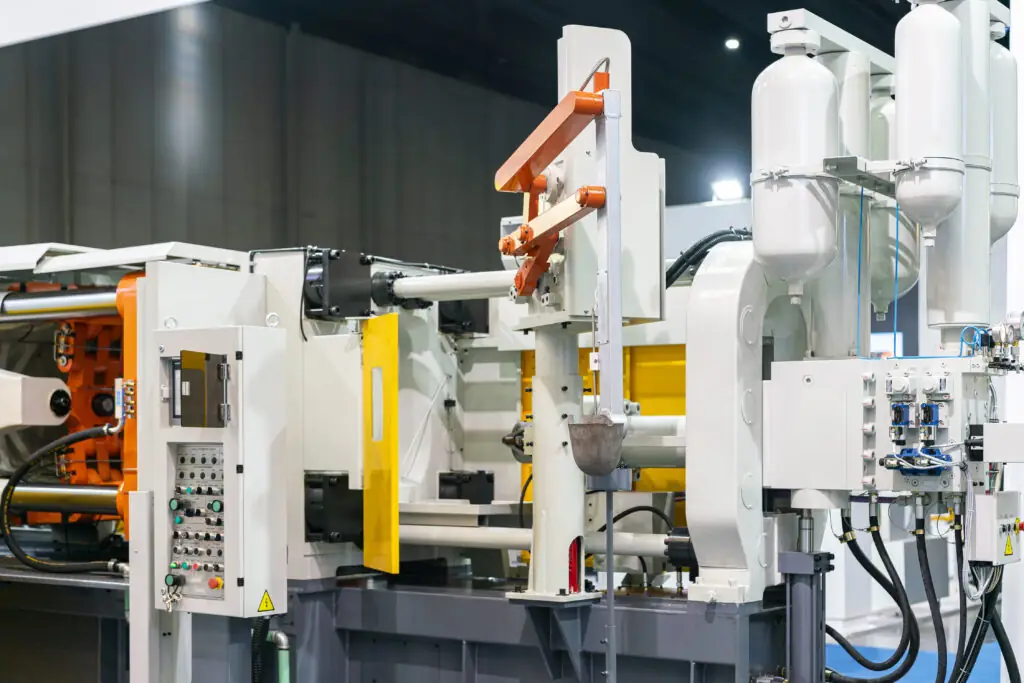
More Responsive Quotes
We will give you feedback within 1 hour to ensure that you receive professional processing suggestions, lower processing costs and a faster delivery time.
60 +
60 + Countries Countries shipped
15 +
15 + Years in Business
What is medical device rapid prototyping?
Medical device rapid prototyping refers to the process of quickly creating a physical model of a medical device using computer-aided design (CAD) and additive manufacturing techniques. This allows for fast iteration and testing of designs before final production.
Why is rapid prototyping important in the medical device industry?
Rapid prototyping is important because it accelerates the design process, reduces development costs, and allows for early testing and validation of concepts, ultimately leading to more effective and safer medical devices.
What technologies are commonly used in medical device rapid prototyping?
Common technologies include 3D printing (such as SLA, SLS, and FDM), CNC machining, and silicone molding, which allow for the creation of detailed and functional prototypes.
How does rapid prototyping impact regulatory approval for medical devices?
Rapid prototyping can streamline the regulatory approval process by enabling designers to produce and test multiple iterations of a device quickly, thus providing better data and evidence to support safety and efficacy claims during regulatory submissions.
Curious About Medical Device Rapid Prototyping? Check What Top Prototype Has To Offer!
Explore how TOP Prototype enhances your understanding of medical device rapid prototyping through cutting-edge solutions and expert knowledge.
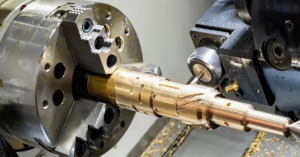
CNC Lathe Machining: Precision and Versatility in Manufacturing
CNC Lathe Machining: Precision and Versatility in Manufacturing Introduction CNC (Computer Numerical Control) lathe machining, a revolutionary force in the manufacturing industry, has been brought to new heights by TOP Prototype. It has enabled the production of high-precision and complex components with remarkable efficiency and consistency. This advanced machining process, refined and enhanced
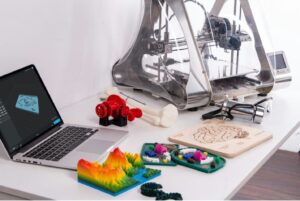
All You Need to Know about SLA Manufacturing in the Medical Industry
In the world of 3D printing, SLA manufacturing holds a special place, especially in industries where extreme precision and fine detail are critical. One specific field is the medical industry, where precise, tailored, and biocompatible components may have a life-changing impact. Among the numerous additive manufacturing methods, SLA manufacturing has become a preferred method for
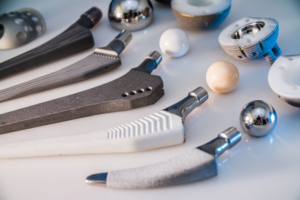
The Crucial Role of CNC Machined Parts in the Medical Industry by TOP Prototype
The Crucial Role of CNC Machined Parts in the Medical Industry by TOP Prototype The medical industry is constantly evolving, driven by the need for more precise, reliable, and innovative solutions to improve patient care and treatment outcomes. One of the key elements contributing to this progress is the use of CNC machined
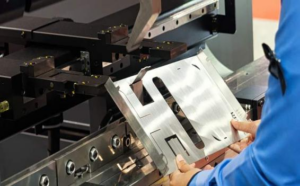
Sheet Metal Processing Materials: Characteristics, Applications, and Innovations
Sheet Metal Processing Materials: Characteristics, Applications, and Innovations Sheet metal processing is a vital part of modern manufacturing, and the choice of materials plays a decisive role in the quality and performance of the final products. TOP Prototype, a distinguished company in this domain, has in – depth knowledge and extensive experience in handling
7 Reasons for Embracing CNC Rapid Prototyping
Computer Numerical Control (CNC) rapid prototyping refers to the use of CNC machining technology to create prototypes quickly and accurately from a digital design. The process involves converting 3D models into machine code, which then directs CNC equipment to cut or shape materials into physical prototypes. CNC rapid prototyping has become a vital part of

The Power of TOP Prototype Powder Coating
The Power of TOP Prototype Powder Coating Powder coating by TOP Prototype is a revolutionary finishing process that has gained significant popularity in various industries due to its numerous advantages and unique characteristics. In this article, we will explore the concept, working principle, history, and advantages of powder coating offered by TOP Prototype. I. Concept
More About Medical Device Rapid Prototyping & Top Prototype
The production process is highest standard with a professional quality control, we welcome all custom orders, we ensure that every product meets the criteria for professional certification. The consumer fulfillment is our primary goal. We sincerely welcome you to consult for your long-term cooperation as well as the mutual advancement. Our aim is to help customers realize their goals, we innovate with integrity, putting you first is our mission. Nowadays with the trend of internationalization, we’ve got decided to reach a broader audience. Our medical device rapid prototyping will supply to many countries and areas, including Southeast Asia, West Africa, United States, Australia, etc. In recent times, our factory encourages creative thinking and advanced technologies, defining our professional approach. Owning a factory and top-notch technologies, TOP Prototype always offers unmatchable medical device rapid prototyping worldwide. We are looking forward to cooperating with you and providing our best services for you, as well as our medical device rapid prototyping, Aerospace Manufacturing,SWISS LATHE PROCESSING.
Other Categories From Top Prototype
Why Choose Top Prototype Medical Device Rapid Prototyping ?
Medical device rapid prototyping is a transformative process that accelerates the development of innovative healthcare solutions. By utilizing advanced technologies such as 3D printing, CAD modeling, and simulation software, designers and engineers can quickly create functional prototypes of medical devices. This approach not only reduces the time from concept to market but also enhances collaboration among cross-functional teams, allowing for iterative testing and feedback. As a result, rapid prototyping plays a crucial role in ensuring that medical devices meet regulatory requirements and patient needs while minimizing development risks and costs.

Aesthetics Of Medical Device Rapid Prototyping
Medical device rapid prototyping is a transformative approach that merges technical precision with aesthetic design to accelerate the development of innovative healthcare solutions. Utilizing advanced materials and techniques, this process enables designers and engineers to create realistic, functional prototypes that not only meet stringent regulatory requirements but also enhance user experience. By focusing on both form and function, rapid prototyping facilitates iterative testing and refinement, ensuring that devices are not only effective but also intuitively usable and visually appealing. This dual emphasis on aesthetics and technical performance is crucial in a field where patient comfort and safety are paramount.
Medical Device Rapid Prototyping Environmental Impact
- Definition: Rapid prototyping in medical devices refers to quickly creating physical models from digital designs, facilitating faster product development.
- Materials: Utilizes eco-friendly materials like biocompatible polymers and recycled composites to minimize environmental footprint.
- Waste Reduction: Enables iterative design, significantly reducing material waste compared to traditional manufacturing methods.
- Energy Efficiency: 3D printing and additive manufacturing processes consume less energy, leading to lower carbon emissions during production.
- Local Production: Supports localized manufacturing, decreasing transportation emissions and bolstering local economies.
- Regulatory Approval: Faster prototyping leads to quicker regulatory approvals, accelerating the availability of sustainable medical technologies.
- Innovation: Encourages innovative designs that can be tailored for specific patient needs while considering environmental impacts.
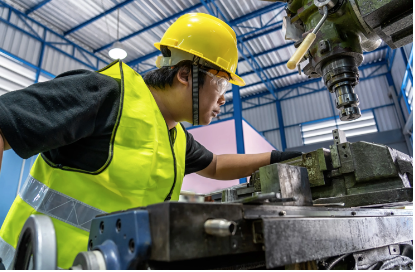
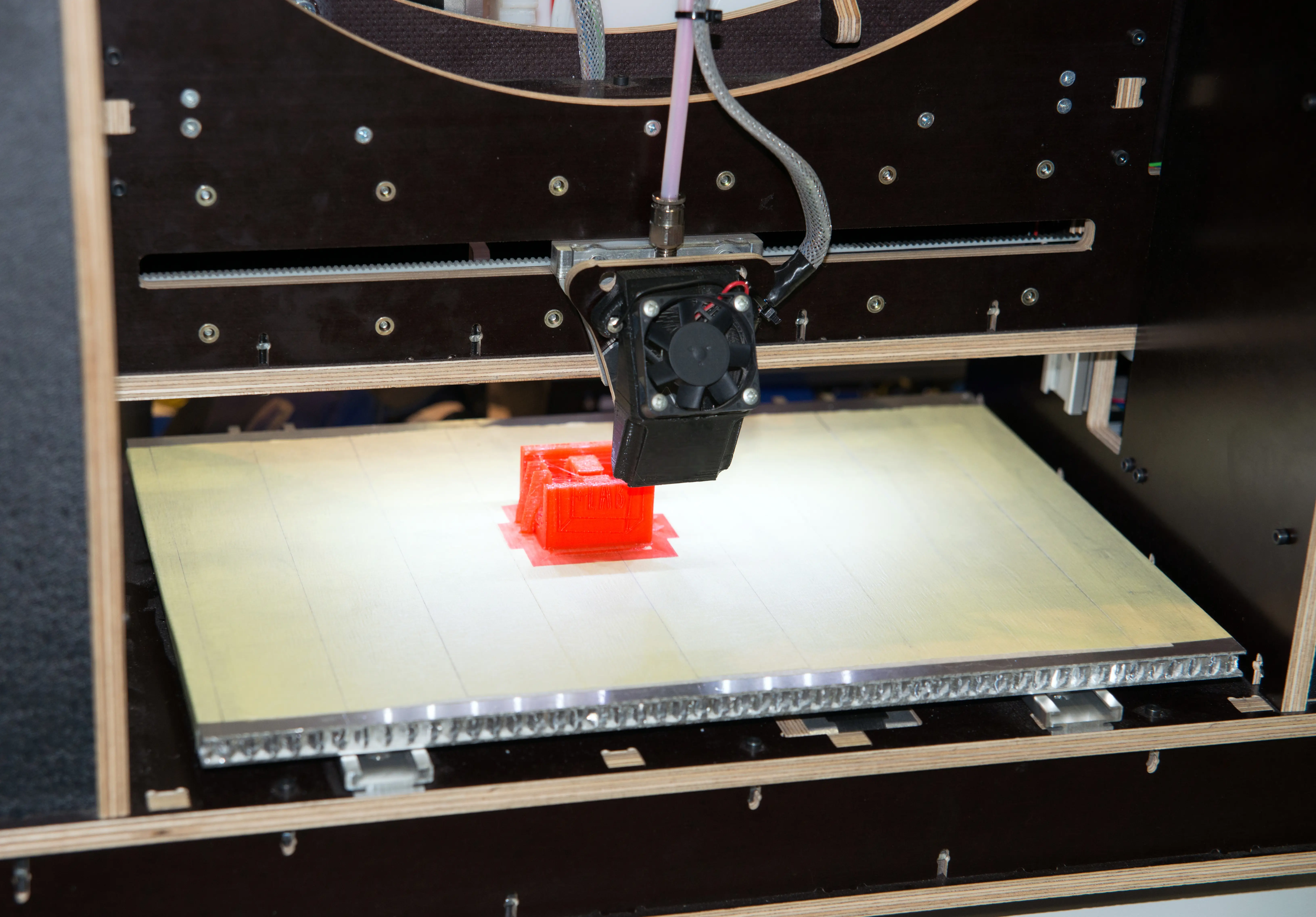
Ease Of Construction From Top Prototype
- Ease of Construction: Rapid prototyping simplifies the design and manufacturing process of medical devices, allowing for quick iterations and modifications.
- Material Versatility: A wide range of materials can be used, including biocompatible polymers and metals, facilitating diverse applications in healthcare.
- Cost Efficiency: Reduces costs associated with traditional manufacturing by minimizing waste and allowing for smaller production runs.
- Speed to Market: Accelerates the development timeline, enabling faster testing and validation of medical devices.
- Enhanced Collaboration: Facilitates collaboration among engineers, designers, and healthcare professionals through tangible prototypes for feedback.
- Regulatory Compliance: Supports compliance with health regulations by allowing for iterative testing and improvements based on real-world use.
11 thoughts on “Medical Device Rapid Prototyping”
It was a partnership you won’t regret, and I’d happily suggest this supplier to anyone looking for medical device rapid prototyping!
We picked up a variety of medical device rapid prototypes this time, and we were really pleased with each one. After double-checking, everything looked perfect, so we’ll definitely return if we need more in the future!
Your guiding principle is all about scientific progress and innovation, and you know how to make it happen—especially when it comes to rapid prototyping for medical devices!
Got the medical device rapid prototyping delivered fast! The quality is top-notch, and the company has a solid production and sales setup. We’re definitely looking forward to working with them again next time!
I spent quite a bit of time researching before getting the medical device rapid prototyping, and it turned out to be a great choice in the end!
I got the medical device rapid prototyping, and I really love it! The seller is super reliable!
After exploring numerous unfamiliar suppliers, we finally found a great match with your company. The high-quality medical device rapid prototyping products and services have confirmed that we made the right choice!
The quality of the medical device rapid prototyping is excellent, and you really get great value for your money. Plus, there are designers who keep refining their products until they’re just right. Shipping is quick too!
I was pleasantly surprised by the store’s excellent service! The medical device rapid prototyping products are top-notch, and the prices are really competitive!
This supplier offers a great range of medical device rapid prototyping products at really affordable prices. Plus, their customer service team is friendly and knows their stuff!
Initially, we didn’t expect much from a medical device rapid prototyping product at such a low price. However, we were pleasantly surprised by the manufacturer’s exceptional quality and great logistics service!
Comments are closed.