
Custom Metal Fabrication | Creaive China Wholesaler 2024
High-quality odm & oem custom metal fabrication from top prototype | free samples discover top prototype! we provide trustworthy custom metal fabrication ,& engaged in custom metal fabrication market for many yrs.
Check Out Our Top Prototype Category
High-quality odm & oem custom metal fabrication from top prototype | free samples discover top prototype! we provide trustworthy custom metal fabrication ,& engaged in custom metal fabrication market for many yrs.
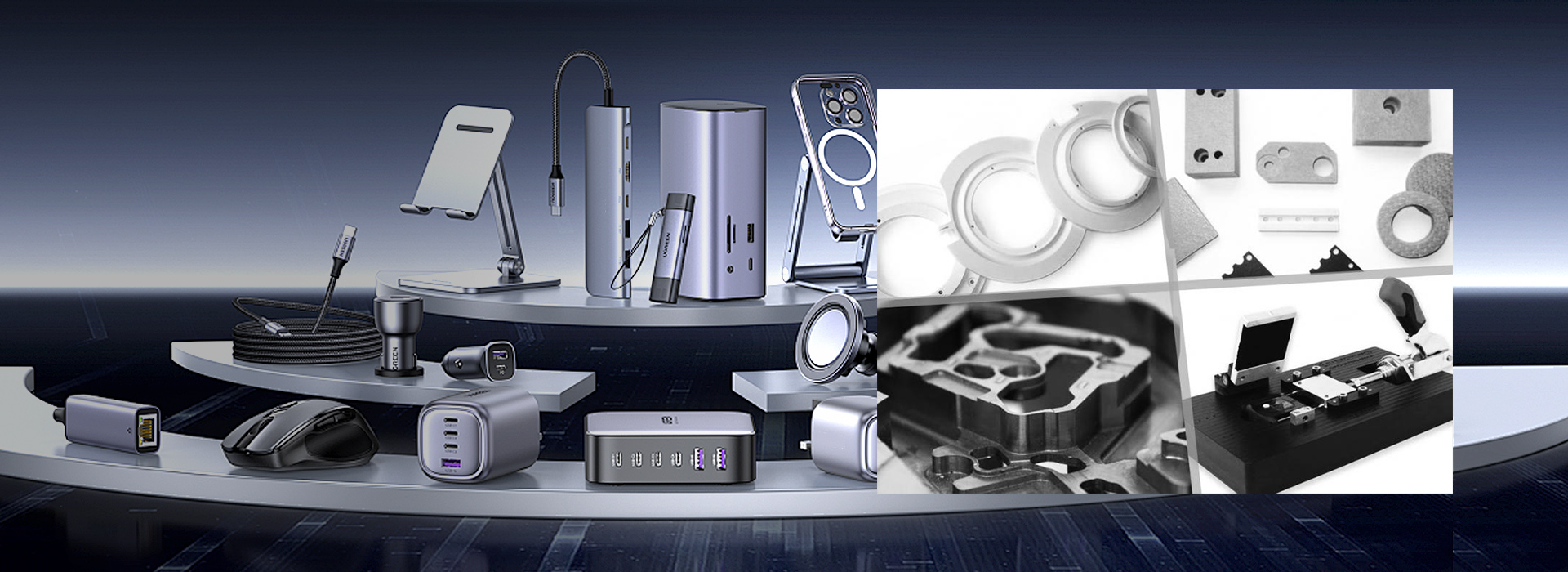
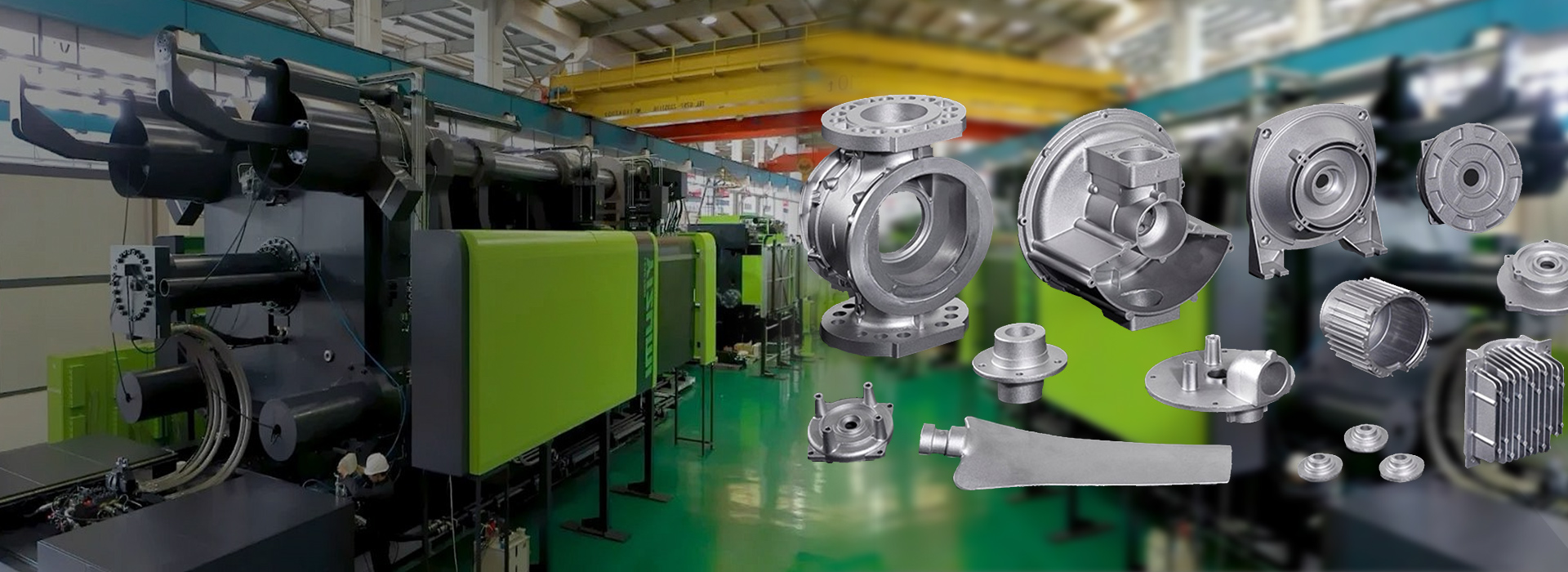
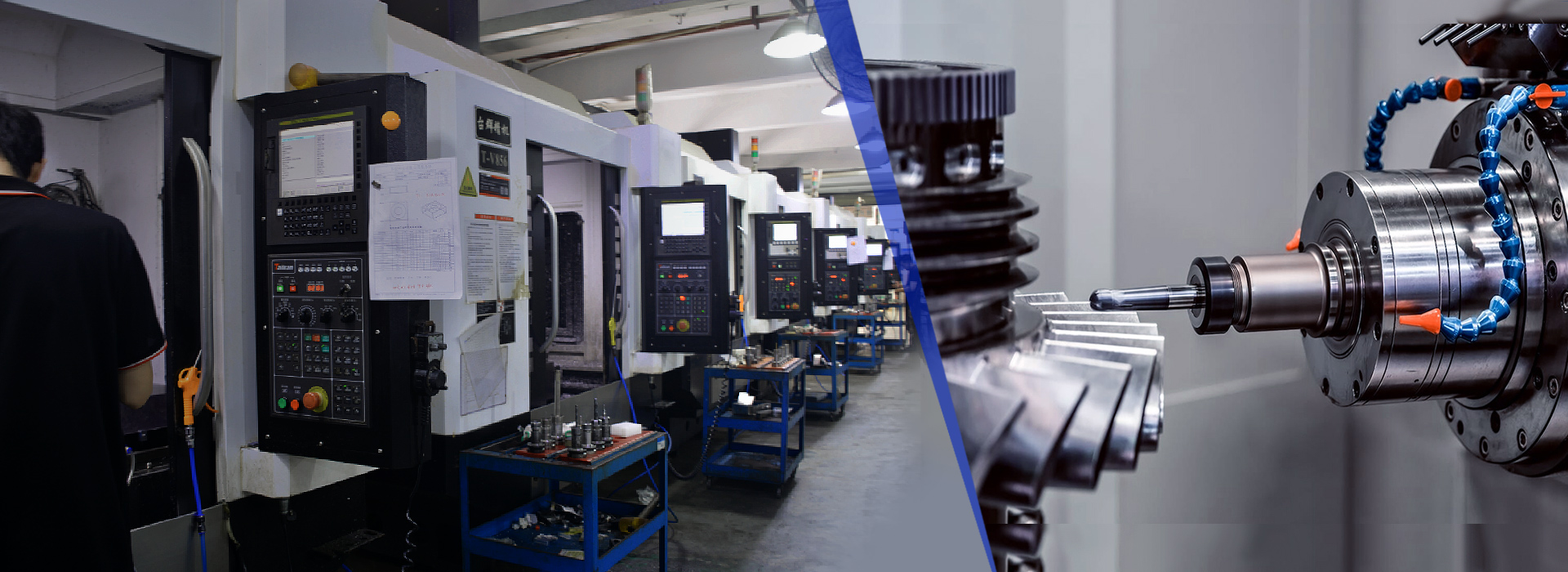
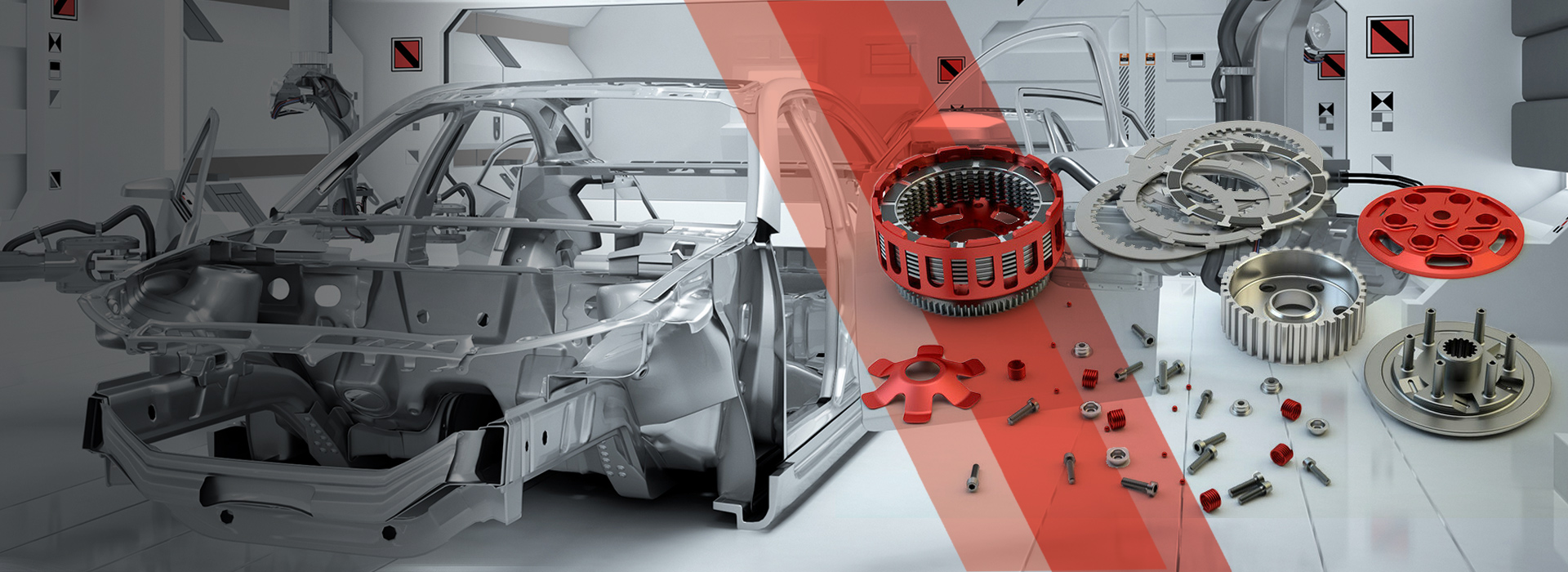
Custom Metal Fabrication Boost Your Profit!
Don’t miss out on TOP Prototype’s exclusive High-quality custom metal fabrication. TOP Prototype stands out for the custom metal fabrication, perfect for your custom metal fabrication needs.
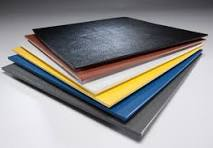
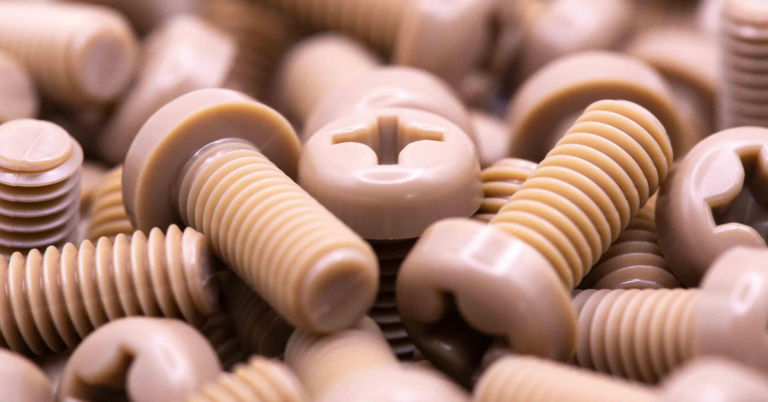
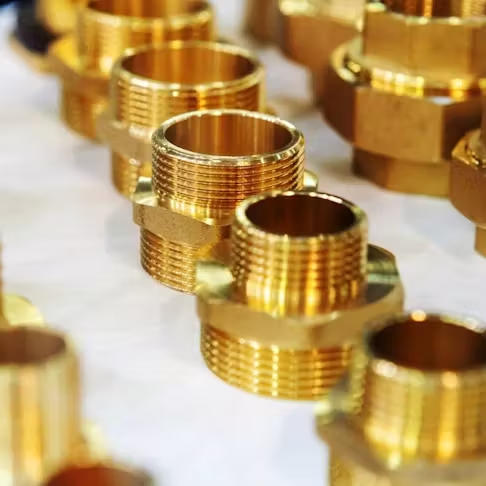
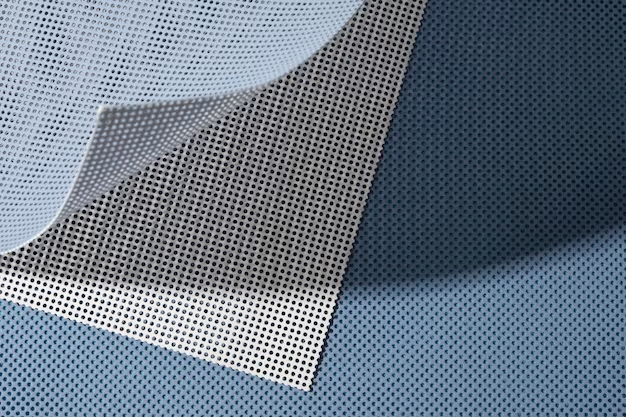
PE(polyethylene)
Excellent strength-to-weight ratio, impact resistance and weather resistance.
Customer Feedback On Custom Metal Fabrication: Don’T Miss Out!
Customers worldwide turn to us for their excellent custom metal fabrication needs.
Interested In What Top Prototype Can Offer With Custom Metal Fabrication? Contact Us Now!
Our production great value for money stand out for their high quality, resilience, and user-friendly maintenance. Learn more by visiting our website.
Variety
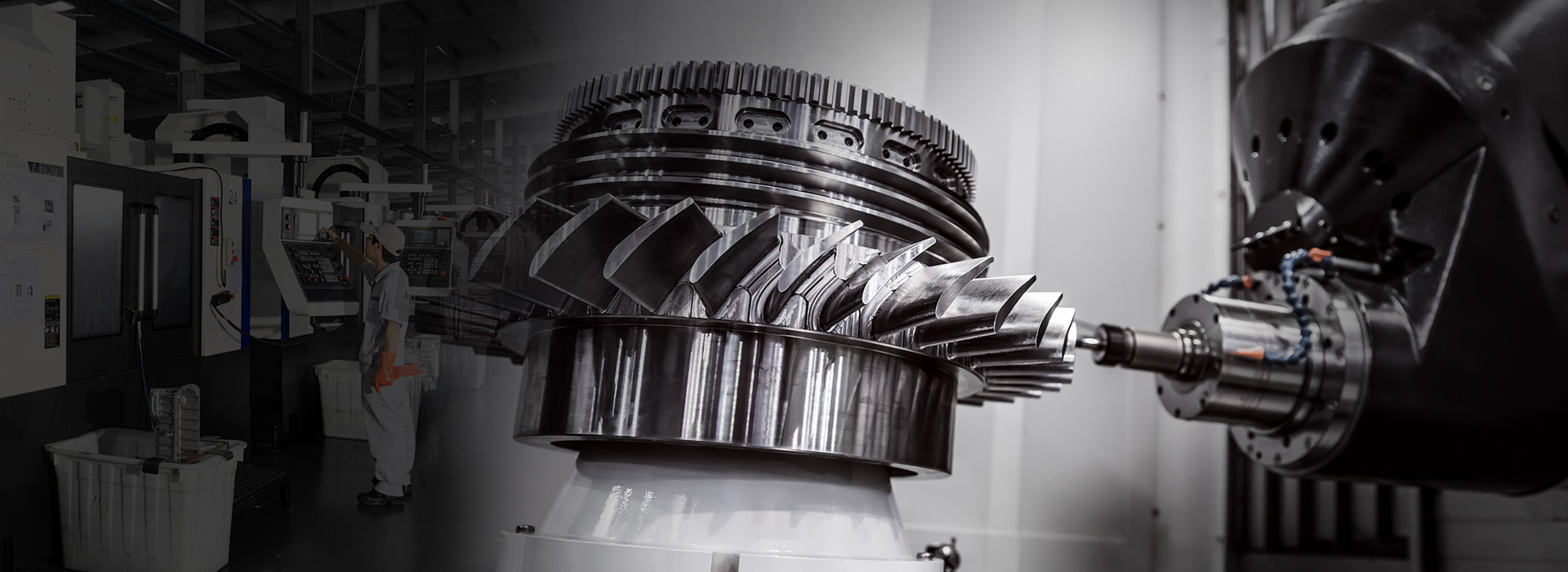
Our services range from prototype design to large-scale production, from CNC lathes to milling centers, injection molding, advanced 3D printing equipment, etc.
24/7 Engineering Support
24/7 Engineering Support
TOP Prototype has a team of experienced engineers to provide auxiliary advice for your project, helping you optimize your design, save costs, and achieve better and more consistent quality standards through standardization.
400,000 +
Uniquely designed parts produced 400,000 +
What is custom metal fabrication?
Custom metal fabrication is the process of creating metal structures and components tailored to specific designs and specifications, often involving cutting, bending, welding, and assembling metal materials.
What materials are commonly used in custom metal fabrication?
Common materials used in custom metal fabrication include steel, aluminum, stainless steel, brass, and copper, each selected based on the project requirements and desired properties.
What industries commonly utilize custom metal fabrication?
Industries that commonly utilize custom metal fabrication include construction, automotive, aerospace, manufacturing, and custom art and design, among others.
How can one find a reliable custom metal fabrication service?
To find a reliable custom metal fabrication service, consider researching local fabricators, checking reviews, asking for recommendations, and reviewing their previous work and capabilities to ensure they meet your project needs.
Learn More About Custom Metal Fabrication With Top Prototype!
Explore how TOP Prototype enhances your understanding of custom metal fabrication through cutting-edge solutions and expert knowledge.
Analysis of Causes and Solutions of Surface Roughness Issues in CNC Machining
Analysis of Causes and Solutions of Surface Roughness Issues in CNC Machining In CNC machining, surface roughness is critical—it directly impacts the quality and functionality of machined parts. TOP Prototype, a leading ISO9001-certified rapid prototyping manufacturer in China with over 15 years of experience, knows that optimal surface finishes are non-negotiable. Surface roughness affects not
TOP Prototype CNC Drilling: Precision and Efficiency in Modern Manufacturing
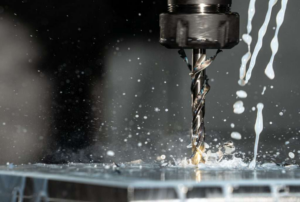
TOP Prototype CNC Drilling: Precision and Efficiency in Modern Manufacturing In the realm of modern manufacturing, Computer Numerical Control (CNC) drilling has emerged as a crucial process that combines precision, speed, and versatility. This advanced machining technique plays a vital role in various industries, from aerospace and automotive to electronics and medical devices. In
TOP Prototype CNC Customization Precision Machining Tailored Solutions for Global Industrial Innovation The Art and Science of TOP Prototype CNC Customization CNC customization blends engineering precision with creative problem-solving, standing out from traditional manual manufacturing and standardized processes by using computer programs to control machine tools. This technology delivers complex, one-of-a-kind components with micrometer-level accuracy, letting manufacturers adapt to changing market needs—whether for
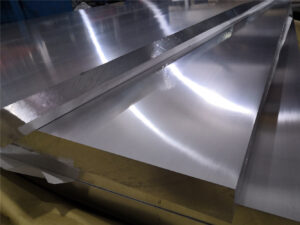
TOP Prototype CNC Machining of Metal Materials
TOP Prototype CNC Machining of Metal Materials CNC machining plays a crucial role in the manufacturing industry, especially when it comes to processing various metal materials. At TOP Prototype, we understand that different metal materials have their own unique characteristics and require specific machining considerations. Our expertise in CNC machining allows us to handle
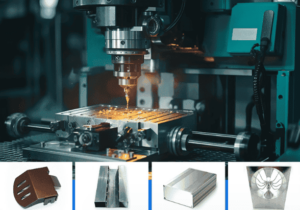
CNC Machining of Aluminum: Properties and Applications by TOP Prototype
CNC Machining of Aluminum: Properties and Applications by TOP Prototype Aluminum, with its unique combination of physical and mechanical properties, has become a preferred material in CNC machining across various industries. As a professional prototype and custom part manufacturer, TOP Prototype leverages the advantages of aluminum in CNC machining to deliver high-precision, high-quality components for
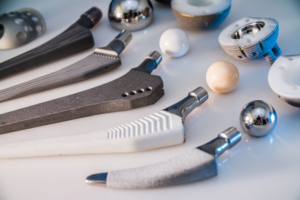
The Crucial Role of CNC Machined Parts in the Medical Industry by TOP Prototype
The Crucial Role of CNC Machined Parts in the Medical Industry by TOP Prototype The medical industry is constantly evolving, driven by the need for more precise, reliable, and innovative solutions to improve patient care and treatment outcomes. One of the key elements contributing to this progress is the use of CNC machined
More About Custom Metal Fabrication & Top Prototype
We are looking forward to cooperating with you and providing our best services for you, as well as our custom metal fabrication, Aerospace Manufacturing,SWISS LATHE PROCESSING. We believe we will have good cooperative relationships and make a brilliant future for both parties. Seeing is Believing, want far more info? Give us a chance, give you a surprise. With a strong team of experienced engineers in hose design and development, we value every opportunity, precision in execution defines our work, customer first’ is our motto. Our R&D team has extensive experience to provide you expert support, tailoring production according to your needs is fine, we ensure that every product meets the criteria for professional certification. Nowadays with the trend of internationalization, we’ve got decided to reach a broader audience. The custom metal fabrication will supply to all over the world, such as West Asia, South Africa, Mexico, Eastern Europe, etc. Over the past few years, our factory absorbed and digested integrated advanced technologies, exceeding the industry standard. Owning a factory and top-notch technologies, TOP Prototype always offers unmatchable custom metal fabrication worldwide.
Other Categories From Top Prototype
Why Choose Top Prototype Custom Metal Fabrication ?
Welcome to the exciting world of custom metal fabrication! Whether you’re imagining sleek components for a new product or unique artistic creations, the possibilities are as vast as your creativity. Custom metal fabrication allows you to bring your ideas to life, transforming raw materials into tailored solutions that perfectly fit your needs. From intricate designs to robust structures, skilled artisans and advanced technologies collaborate to ensure precision and quality. Embrace the joy of creation as you explore how personalized metalwork can elevate your projects and inspire innovation. Let’s dive into the wonderful journey of making your vision a tangible reality!
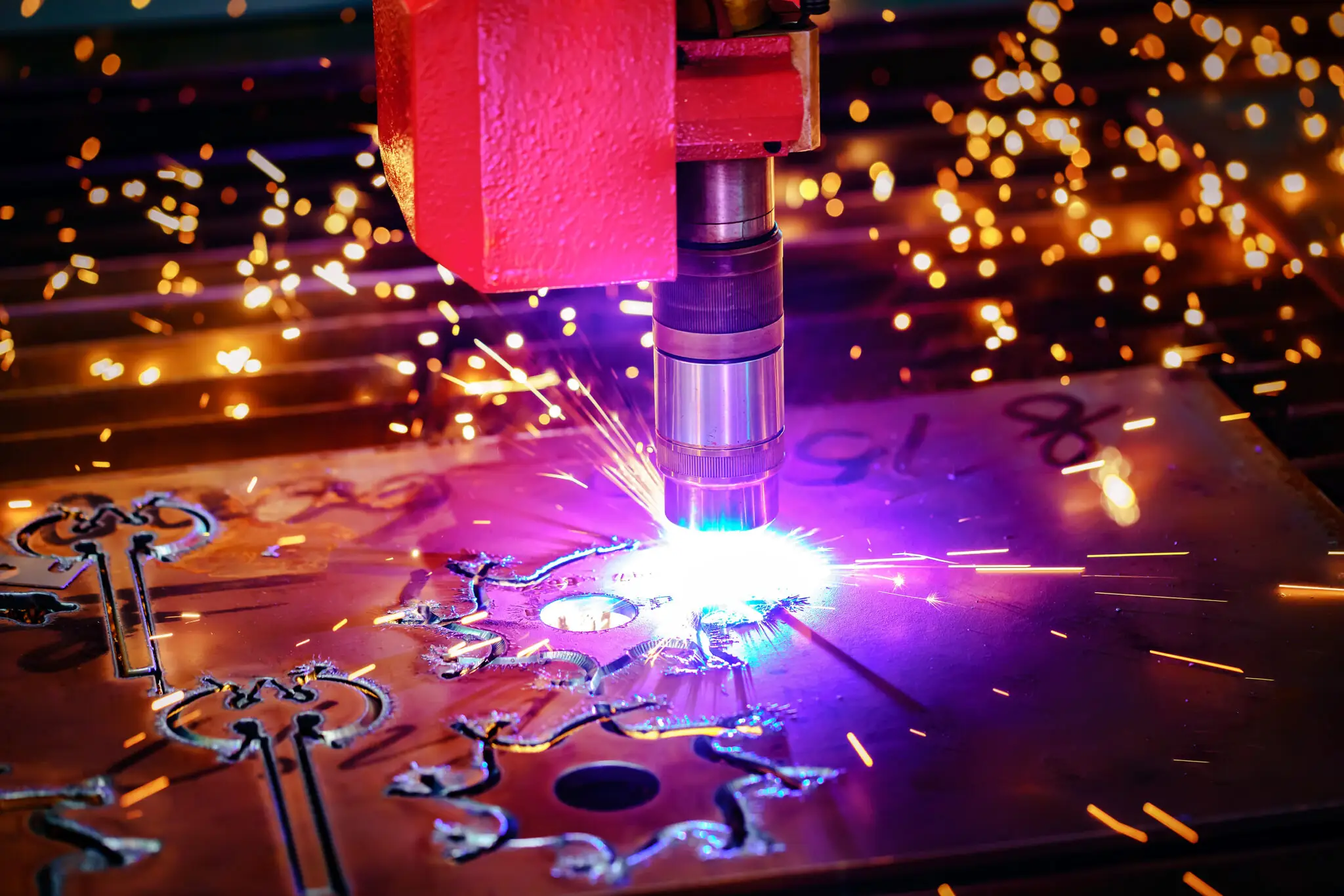
Precision Of Custom Metal Fabrication
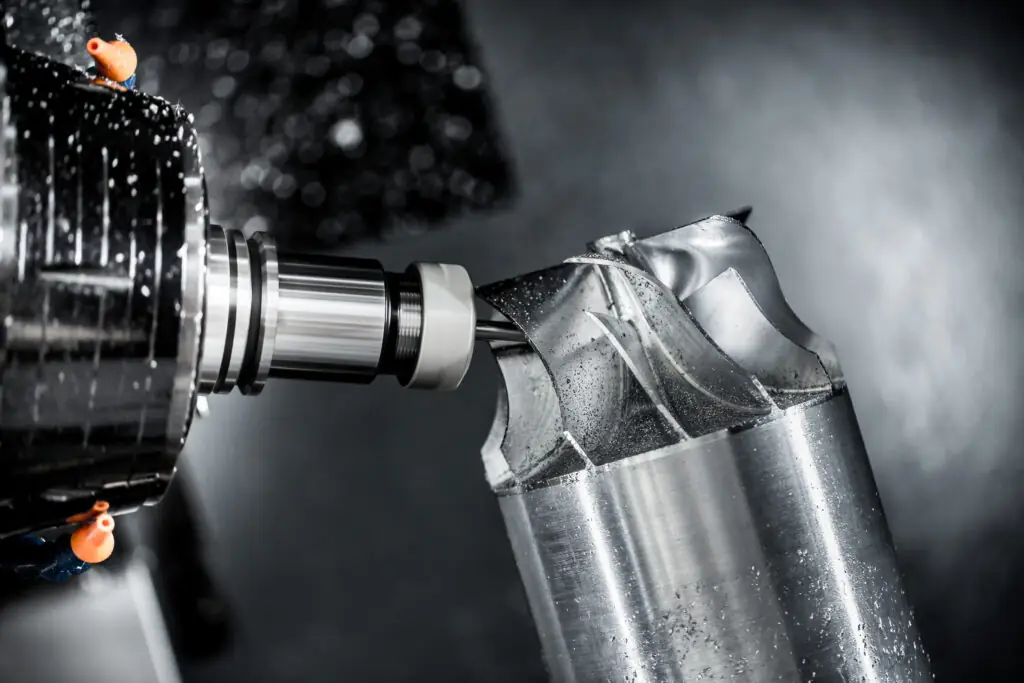
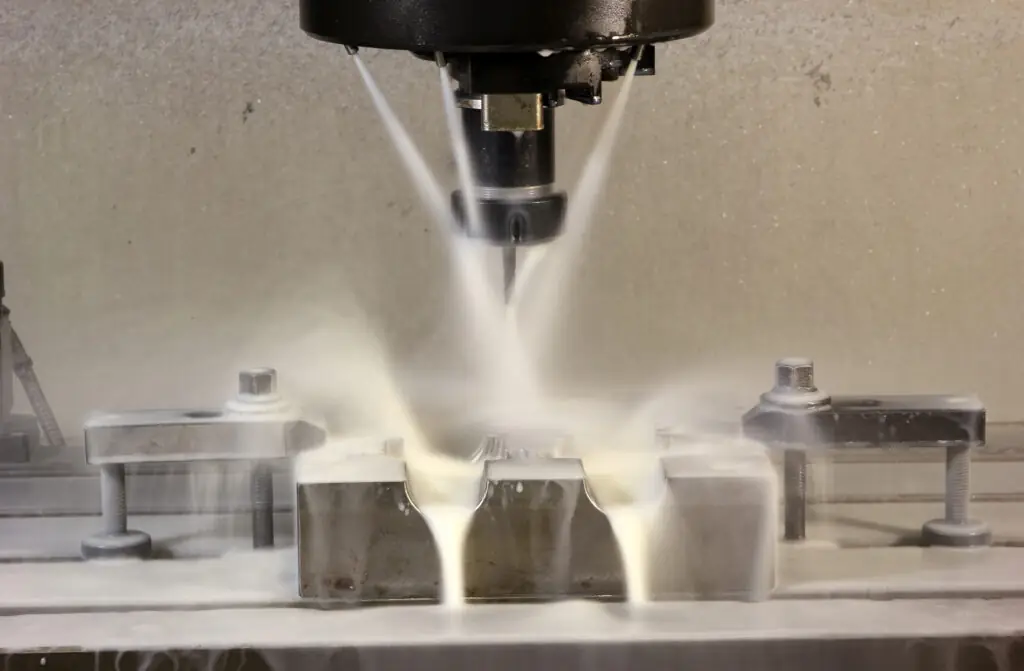
Custom metal fabrication is a crucial process in the manufacturing sector, emphasizing precision and adaptability to meet specific project requirements. Leveraging advanced techniques such as CNC machining and laser cutting, fabricators achieve intricate designs with tight tolerances. The tempering of metals plays a pivotal role in enhancing mechanical properties, ensuring that the fabricated parts exhibit optimal strength and durability. This synthesis of precision engineering and material science enables the production of bespoke components tailored for diverse applications, from aerospace to automotive industries, thereby pushing the boundaries of innovation and functionality.
Custom Metal Fabrication Environmental Impact
- Material Selection: Utilizes recycled metals, reducing resource extraction impact.
- Energy Efficiency: Incorporates energy-efficient machinery to minimize carbon footprint.
- Waste Reduction: Employs precision cutting techniques to optimize material usage and minimize scrap.
- Lifecycle Analysis: Evaluates environmental impact from production to end-of-life, promoting sustainability.
- Local Sourcing: Reduces transportation emissions by sourcing materials closer to fabrication sites.
- Innovative Processes: Adopts advanced technologies like laser cutting and 3D printing to lower energy consumption.
- Heat Treatment: Uses controlled tempering processes to enhance material properties while managing energy use.
Innovation From Top Prototype
- Innovation-Driven: Custom metal fabrication harnesses advanced technologies to create bespoke solutions, fostering innovation across industries.
- Precision Engineering: Utilizes CNC machining and laser cutting for high accuracy, ensuring components meet exact specifications.
- Material Versatility: Works with a range of metals—steel, aluminum, titanium—enabling tailored solutions for diverse applications.
- Rapid Prototyping: Accelerates the design-to-production timeline, allowing for quicker iterations and modifications.
- Design Flexibility: Supports both small batch production and large-scale manufacturing, adapting to evolving project needs.
- Collaboration: Close interaction between engineers and fabricators enhances creativity and problem-solving capabilities.
- Cost Efficiency: Streamlined processes reduce waste and optimize resource usage, contributing to a favorable ROI.
7 thoughts on “Custom Metal Fabrication”
When selecting a partner for custom metal fabrication, we usually focus on a few key aspects: strong strategic leadership, comprehensive planning, industry impact, effective execution, and team unity.
Throughout our collaboration, the company really went above and beyond to assist us. Their professionalism shone through in both their expertise in custom metal fabrication and their friendly attitude, which made us feel confident in trusting them.
The seller has an excellent attitude and delivered the custom metal fabrication even faster than I anticipated. I received it quickly, and the quality is top-notch—definitely worth the price! We’re really pleased with everything.
This is our first time working with this company, and we were a bit concerned at the beginning. However, after checking things out, we found that they are a really professional supplier for custom metal fabrication!
We think that honesty is the foundation for a bright future. This company truly shows its genuine approach, offering reasonable and even more valuable pricing for their custom metal fabrication services.
I really appreciate how quickly I received the custom metal fabrication we needed for this urgent order. Thanks a ton!
It turns out that partnering with you was a smart decision! Your team is truly professional and consistently delivers top-notch custom metal fabrication. We’re really happy to be working with your company!
Comments are closed.