
China Die Casting Solution | 7/24 Customer Service
High-quality china die casting solution from top prototype | oem & odm | low moq. top prototype provides quality china die casting solution ,& owns a long experience, providing top china die casting solution.
Discover The Top Prototype Category
High-quality china die casting solution from top prototype | oem & odm | low moq. top prototype provides quality china die casting solution ,& owns a long experience, providing top china die casting solution.
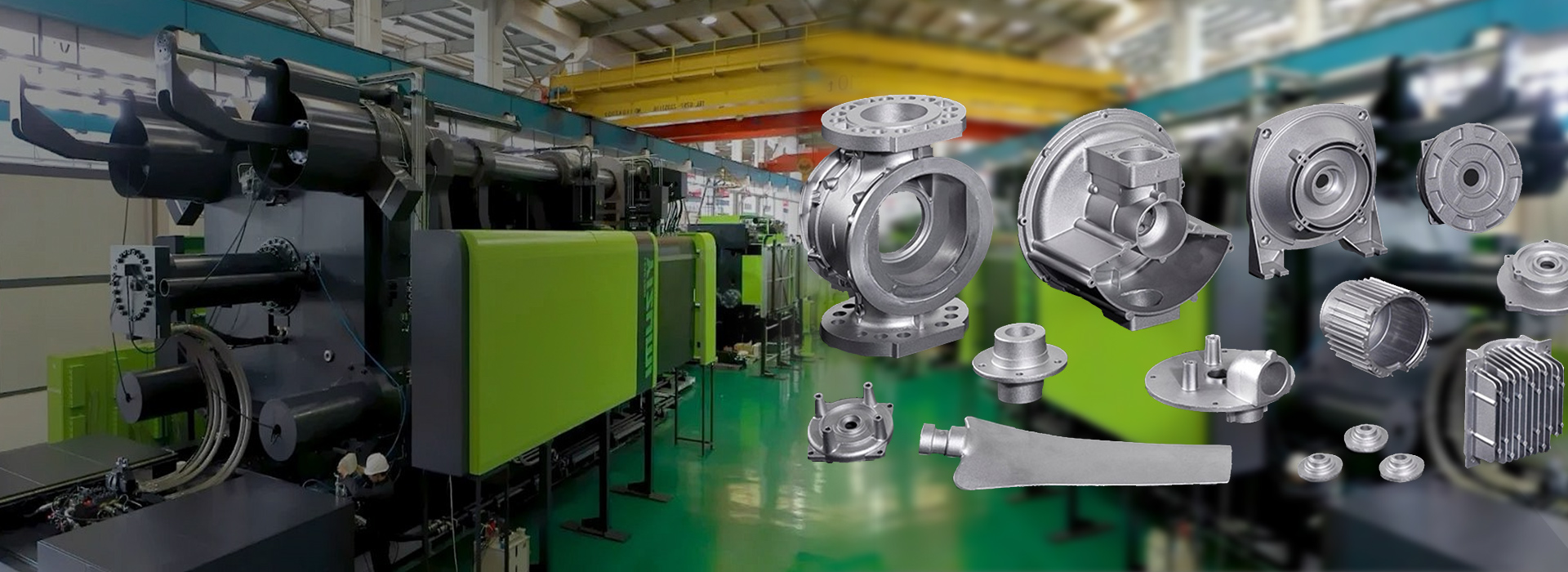
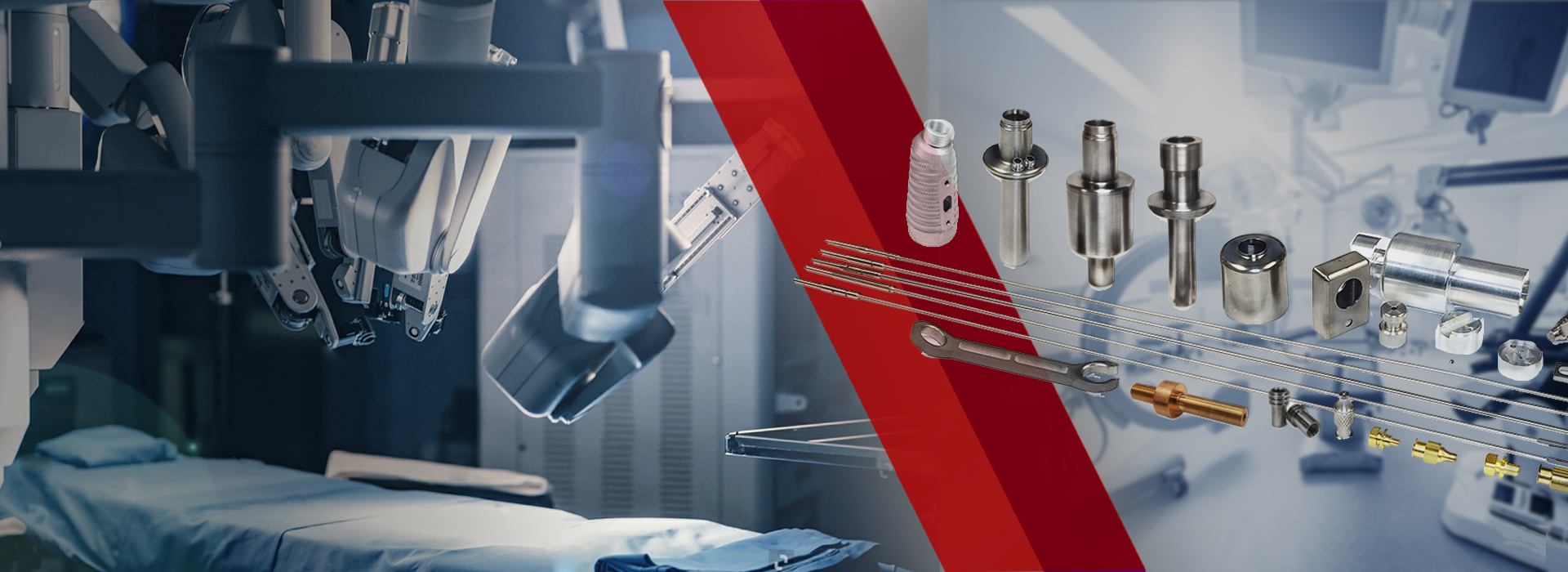
China Die Casting Solution: Maximize Your Profit Today!
Don’t miss out on TOP Prototype’s exclusive Premium china die casting solution. When china die casting solution are essential, turn to TOP Prototype & top china die casting solution.
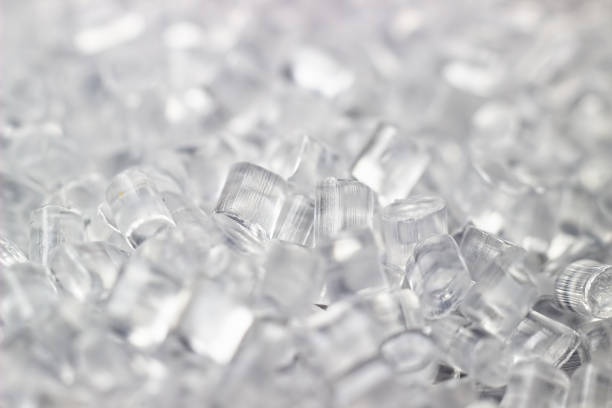
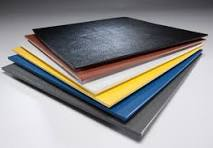
Customer Feedback On China Die Casting Solution: Don’T Miss Out!
Customers from every corner of the world benefit from our the best china die casting solution.
Interested In What Top Prototype Can Offer With China Die Casting Solution? Contact Us Now!
You can expect our highly recommended to be top-quality, long-lasting, and straightforward to maintain. Learn more by visiting our website.
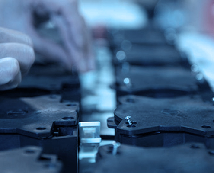
More Responsive Quotes
We will give you feedback within 1 hour to ensure that you receive professional processing suggestions, lower processing costs and a faster delivery time.
24/7 Engineering Support
24/7 Engineering Support
TOP Prototype has a team of experienced engineers to provide auxiliary advice for your project, helping you optimize your design, save costs, and achieve better and more consistent quality standards through standardization.
400,000 +
Uniquely designed parts produced 400,000 +
What is die casting and how is it used in China?
Die casting is a manufacturing process in which molten metal is injected into a mold under high pressure. In China, die casting is widely used to produce a variety of components for industries such as automotive, electronics, and consumer goods, due to its efficiency and ability to create complex shapes.
What are the advantages of using die casting solutions from China?
The advantages of using die casting solutions from China include cost-effectiveness, high production efficiency, and access to advanced manufacturing technologies. Chinese manufacturers often offer competitive pricing while maintaining quality standards, making it an attractive option for businesses.
What types of materials are commonly used in die casting in China?
Common materials used in die casting in China include aluminum, zinc, and magnesium alloys. These materials are favored for their lightweight properties, strength, and excellent casting characteristics, making them ideal for a range of applications.
How can companies ensure quality in die casting solutions sourced from China?
Companies can ensure quality in die casting solutions sourced from China by conducting thorough supplier assessments, requesting samples, and establishing clear quality control standards. Additionally, engaging third-party inspection services and maintaining open communication with manufacturers can help uphold product quality.
Top Prototype Offers More Than China Die Casting Solution.
Discover how TOP Prototype’s commitment to excellence enriches the landscape of china die casting solution for all enthusiasts.
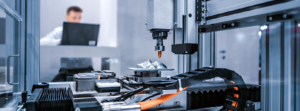
Innovations and Trends in CNC Machining
Innovations and Trends in CNC Machining Since the advent of CNC (Computer Numerical Control) machining technology, the field has undergone remarkable transformations, with continuous development of new technologies to meet manufacturing demands. As we further enter the digital age, several key innovations and trends are shaping the future of CNC machining. This article explores these
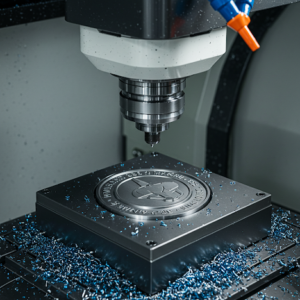
Everything You Need to Know about Multi-Axis Machining
CNC machining has come a long way over the years, from basic 2D cutting to advanced multi-axis machining that handles complex shapes with high precision and speed. As product designs get more advanced, multi-axis machining plays a key role in meeting modern manufacturing needs. That said, in this blog, we’ll explain the basics, main components,
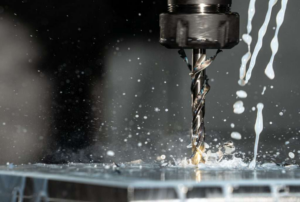
TOP Prototype CNC Drilling: Precision and Efficiency in Modern Manufacturing
TOP Prototype CNC Drilling: Precision and Efficiency in Modern Manufacturing In the realm of modern manufacturing, Computer Numerical Control (CNC) drilling has emerged as a crucial process that combines precision, speed, and versatility. This advanced machining technique plays a vital role in various industries, from aerospace and automotive to electronics and medical devices. In
TOP Prototype CNC Customization Precision Machining Tailored Solutions for Global Industrial Innovation The Art and Science of TOP Prototype CNC Customization CNC customization blends engineering precision with creative problem-solving, standing out from traditional manual manufacturing and standardized processes by using computer programs to control machine tools. This technology delivers complex, one-of-a-kind components with micrometer-level accuracy, letting manufacturers adapt to changing market needs—whether for
Bearing type: Characteristics and applications
Bearing type: Characteristics and applications If we break down rotating mechanical devices, systems or mechanisms, the different movements of their components are essential to their function. For example, blades rotate around the hub of a wind turbine to generate electricity. Do you know which devices or components control and indicate the desired movement within a
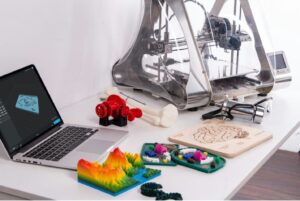
All You Need to Know about SLA Manufacturing in the Medical Industry
In the world of 3D printing, SLA manufacturing holds a special place, especially in industries where extreme precision and fine detail are critical. One specific field is the medical industry, where precise, tailored, and biocompatible components may have a life-changing impact. Among the numerous additive manufacturing methods, SLA manufacturing has become a preferred method for
More About China Die Casting Solution & Top Prototype
With your kind help, we believe that we can create a bright future with you together. For additional parameters and item list details, please contact us to acquire additional information. Nowadays with the trend of internationalization, we’ve got decided to reach a broader audience. The china die casting solution will supply to all over the world, such as West Asia, South Africa, Mexico, Eastern Europe, etc. We are looking forward to cooperating with you and providing our best services for you, as well as our china die casting solution, 3D PRINTING,SWISS LATHE PROCESSING. As a reliable and professional company, TOP Prototype partners with skilled tech teams and offers the best solutions as well as china die casting solution to global customers. We believe in: precision defines our every move, trust paves our way to success. Our excellent management, strong technical capability and strict quality control system, help to provide our clients with reliable quality, tailoring production according to your needs is fine, each product has been professionally certified to meet industry standards. In recent years, our organization encourages creative thinking and cutting-edge technologies, exceeding the industry standard.
Other Categories From Top Prototype
Why Choose Top Prototype China Die Casting Solution ?
In the dynamic world of manufacturing, China’s die casting solutions stand out as a beacon of innovation and efficiency. With a rich tapestry of skilled craftsmanship and cutting-edge technology, Chinese manufacturers have perfected the art of rapid prototyping, offering unparalleled speed and precision in metal components production. Whether it’s aluminum or zinc, the die casting process in China not only caters to diverse industry needs but also embraces sustainability without compromising on quality. As industries race against time, China’s die casting solutions emerge as the ultimate answer, transforming ideas into tangible products with remarkable agility and ingenuity. Experience the future of manufacturing where creativity meets precision and possibilities are endless!
Precision Of China Die Casting Solution
China die casting solutions offer exceptional precision, ensuring intricate designs are replicated with outstanding accuracy. This method enables manufacturers to produce complex geometries and tight tolerances, making it ideal for industries that demand reliability and consistency. Additionally, the temper of the castings is highly expressive, allowing for enhanced mechanical properties and surface finishes that cater to both aesthetic and functional needs. As a result, these solutions not only meet but often exceed international standards, positioning China as a leader in the global die casting market.
China Die Casting Solution Innovation
- Innovative Techniques: China leverages advanced die casting technologies, ensuring precision and efficiency in production.
- Material Versatility: A wide range of materials, including aluminum and zinc alloys, allows for diverse applications across industries.
- Cost-Effective Production: Competitive labor costs and streamlined processes contribute to affordable solutions without compromising quality.
- Rapid Prototyping Capabilities: Quick turnaround times enable faster product development, shortening time to market.
- Customization: Tailored designs and specifications meet unique client requirements, enhancing satisfaction and performance.
- Sustainability Initiatives: Focus on eco-friendly practices and recycling efforts aligns with global sustainability goals.
Environmental Impact From Top Prototype
- Eco-Friendly Materials: China die casting solutions increasingly utilize recyclable alloys, minimizing waste and promoting sustainability.
- Energy Efficiency: Advanced technologies reduce energy consumption during the casting process, leading to lower carbon emissions.
- Waste Management: Implementation of effective waste recycling programs ensures that scrap materials are repurposed rather than discarded.
- Pollution Control: Strict environmental regulations and innovations help in controlling emissions and pollutants generated from manufacturing processes.
- Water Conservation: Techniques such as closed-loop water systems are adopted to reduce water usage and prevent contamination.
- Lifecycle Assessment: Emphasis on evaluating the environmental impact throughout the product’s lifecycle encourages responsible sourcing and production.
7 thoughts on “China Die Casting Solution”
Its visuals are vibrant and clear, especially in low light. The price is quite reasonable, making it a great choice to consider!
Even though this order isn’t huge, the other party sent us free samples that perfectly match our needs and really show their confidence in their China die casting solution.
We’ve been working together for many years, and you’ve consistently maintained the quality of your China die casting solutions while offering us great prices! I look forward to seeing our partnership continue to flourish.
This company values a people-first approach and encourages loyalty, hard work, innovation, and a positive attitude. When it comes to our China die casting solutions, we believe in quality over quantity—it’s all about being refined rather than just having more.
We were advised to connect with you for business, and honestly, your company’s impressive responsibility and quick responses have us thinking about a long-term partnership for our China die casting solutions!
This shop is super trustworthy! Whatever issue I encounter, they always take the time to address it with care and professionalism. I’m definitely looking forward to working together again in the future for my China die casting solutions!
This company is great at fulfilling our needs for China die casting solutions in terms of both quantity and delivery time, so we always go with them whenever we need to make a purchase.
Comments are closed.