Swiss Cnc Machine Services | Driving Growth – 35% Profit

Top-quality swiss cnc machine services in 2024 | leading chinese manufacturer top prototype. search top prototype, who provides trustworthy swiss cnc machine services. we devote to swiss cnc machine services market for several yrs.
Top Prototype: Our Category Awaits You

Top-quality swiss cnc machine services in 2024 | leading chinese manufacturer top prototype. search top prototype, who provides trustworthy swiss cnc machine services. we devote to swiss cnc machine services market for several yrs.
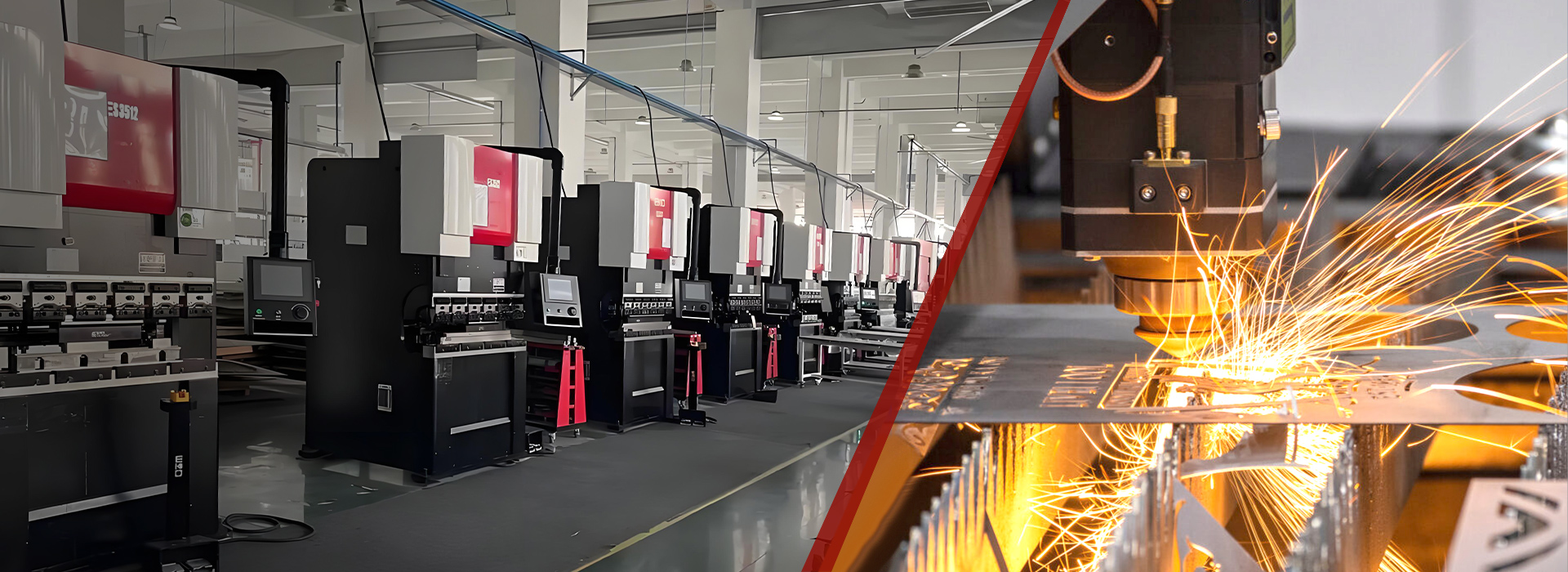
 3D PRINTING

3D PRINTING swiss cnc machine services

 5-AXIS CNC MACHINING

5-AXIS CNC MACHINING swiss cnc machine services

 SHEET METAL PROCESSING

SHEET METAL PROCESSING swiss cnc machine services

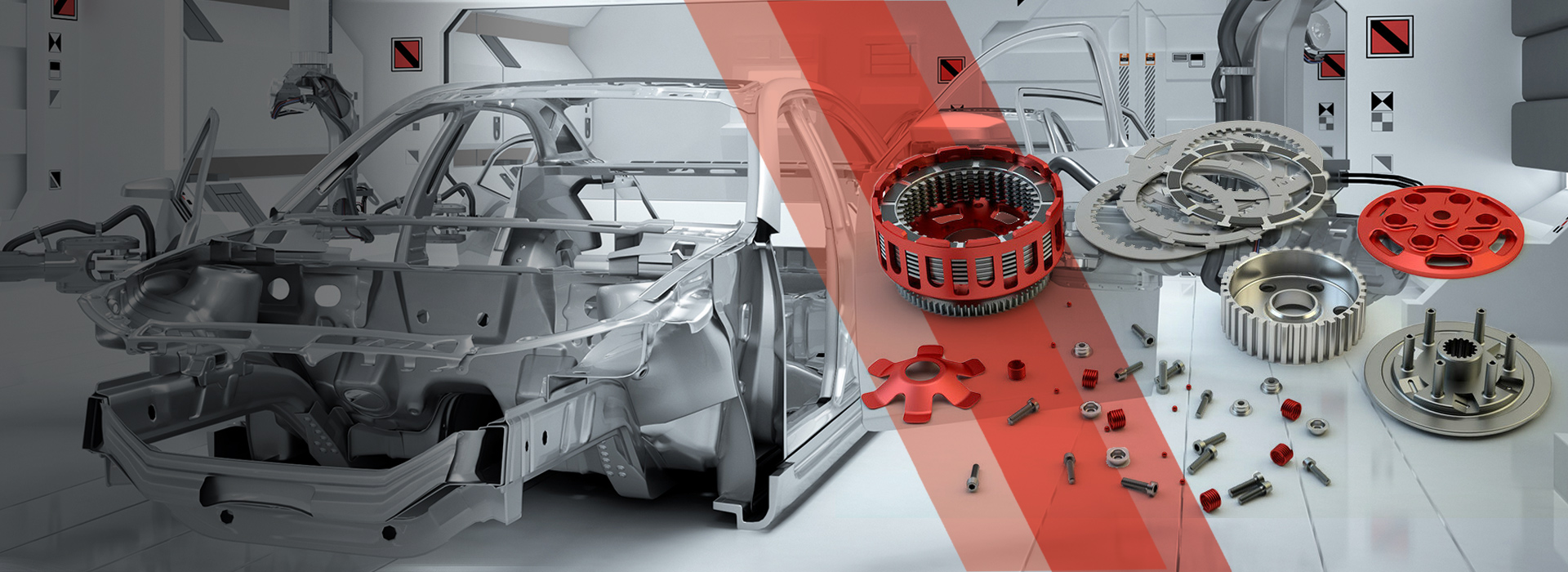
 Automobile Manufacturing

Automobile Manufacturing swiss cnc machine services

  Automobile Manufacturing

Automobile Manufacturing swiss cnc machine services

 SHEET METAL PROCESSING

SHEET METAL PROCESSING swiss cnc machine services

Swiss Cnc Machine Services – Invest In Quality With Top Prototype!

Get the latest in Exceptional swiss cnc machine services at TOP Prototype. If you are looking for swiss cnc machine services, you should consider TOP Prototype, who provides swiss cnc machine services.

Customer Insights On Swiss Cnc Machine Services: Read Their Reviews Now!

Our commitment to quality extends to customers worldwide through our worth buying swiss cnc machine services.

3 thoughts on “Swiss Cnc Machine Services”

  1. Their shipping and delivery are super quick, and I can’t say enough good things about the customer service!

  2. Teaming up with you has really spared us a lot of headaches, thanks to your reliable Swiss CNC machine services!

  3. The color, texture, and overall feel of the Swiss CNC machine services match perfectly with what’s shown on their official website, which makes me trust this company. Overall, they’re doing a great job! I’ll definitely keep using their services.

Comments are closed.

Curious About Top Prototype’S Offerings In Swiss Cnc Machine Services? Don’T Hesitate To Reach Out!

Count on our production flawless for their exceptional quality, longevity, and simple maintenance. Visit our website for comprehensive information.
Get Started

Faster

When you complete the part design, share it with our company by email and synchronize your requirements.TOP Prototype adopts the most efficient quotation service and focuses on your product requirements.

60 +

60 + Countries Countries shipped

15 +

15 + Years in Business

What are Swiss CNC machine services?

Swiss CNC machine services refer to precision machining services that utilize Swiss-style CNC (Computer Numerical Control) lathes, which are known for their ability to produce complex, high-precision parts efficiently, especially in small to medium batch sizes.

What industries typically use Swiss CNC machine services?

Industries such as aerospace, medical, automotive, and electronics frequently use Swiss CNC machine services due to their need for high precision and quality in small, intricate components.

How does Swiss CNC machining differ from traditional CNC machining?

Swiss CNC machining offers greater precision and the ability to work on longer, slender parts due to its unique design, which allows for the workpiece to be fed through the machine while the tooling rotates around it, unlike traditional CNC machining which typically removes material from a stationary piece.

What are the benefits of using Swiss CNC machine services?

The benefits of using Swiss CNC machine services include enhanced precision, reduced cycle times, improved surface finishes, and the capability to produce complex geometries with tight tolerances, making them ideal for high-demand applications.

Curious About Swiss Cnc Machine Services? Check What Top Prototype Has To Offer!

Explore how TOP Prototype enhances your understanding of swiss cnc machine services through cutting-edge solutions and expert knowledge.
Tapped Holes vs Threaded Holes – Differences and Comparison

Tapped Holes vs Threaded Holes – Differences and Comparison In mechanical manufacturing, assembly, and precision engineering, internal threaded holes serve as the “connective tissue” of components, enabling secure fastening, precise positioning, and stable load transmission. Tapped holes and threaded holes, two widely applied types of internal threaded structures, are often conflated due to their overlapping functional goals. Yet their divergence in processing principles, structural integrity, and practical performance is substantial—differences that directly affect product reliability, production costs, and service life. This article systematically distinguishes the two, enriches the discussion with industrial practices and material science facts, simplifies complex terminology, and reconstructs the logical framework to clarify their characteristics, advantages, and application boundaries for engineering practitioners. 1. Definitions and Core Structural Traits 1.1 Tapped Holes: Direct Thread Formation in Base Material A tapped hole is an internal threaded hole formed by the tapping process, where a specialized cutting tool (tap) cuts or forms threads on the inner wall of a pre-drilled pilot hole. Unlike indirect threading methods, tapped holes integrate threads directly into the workpiece’s base material—no auxiliary inserts or reinforcements are involved. Taps operate on a subtractive principle: they remove excess material from the pilot hole’s inner surface to form standardized thread profiles, such as metric (M series), unified coarse (UNC), or unified fine (UNF) threads, with precision grades ranging from 2B (general purpose) to 3B (high precision) for imperial threads. This integration with the base material means tapped holes’ performance is inherently tied to the workpiece’s material properties. For instance, in medium-carbon steel (e.g., 45# steel) or 6061 aluminum alloy—materials with moderate ductility and strength—tapped holes deliver reliable thread retention. They are widely adopted in scenarios where the workpiece itself can bear fastening loads, avoiding the need for additional components. 1.2 Threaded Holes: A Broad Category with Indirect Threading Dominance The term “threaded hole” is a generic concept encompassing all holes with internal threads, including tapped holes. In industrial practice, however, it primarily refers to holes where threads are formed indirectly—most commonly via threaded inserts. These inserts, made of high-strength materials like 304 stainless steel or titanium alloy, are installed into pre-drilled holes to provide the internal thread interface, decoupling thread performance from the workpiece’s base material. Beyond insert-based threading, threaded holes also include structures formed by thread rolling, casting, or injection molding. Thread rolling, for example, is used for high-volume production of ductile materials like copper or low-carbon steel, forming threads through plastic deformation rather than cutting. Cast or molded threaded holes are integral to composite parts (e.g., glass-fiber reinforced plastic) or plastic components, where threads are pre-designed in the mold to eliminate post-processing. 2. Core Differences in Processing Principles and Operations The fundamental gap between tapped holes and threaded holes lies in their thread formation mechanisms—each dictating processing efficiency, precision limits, and material applicability. Simplifying these mechanisms reveals why each is preferred in specific scenarios. 2.1 Tapped Holes: Two-Step Subtractive Processing Tapping follows a rigid two-step workflow: first, drilling a pilot hole with a diameter strictly matched to the target thread (e.g., a 6.8mm pilot hole for an M8×1.25 tap); second, cutting threads using a hand tap (for small batches or manual operations) or machine tap (for automated production on CNC lathes, milling machines, or dedicated tapping centers). Critical process parameters directly impact thread quality: tap speed (typically 10-30 m/min for steel, 20-50 m/min for aluminum), feed rate (matched to thread pitch to avoid thread distortion), and lubrication (cutting oil for ferrous metals, cutting fluid for non-ferrous metals to reduce friction and prevent burring). Brittle materials like gray cast iron (HT200) or zirconia ceramic require specialized spiral-flute taps to evacuate chips and avoid cracking, while ductile materials like copper demand straight-flute taps for smooth chip removal. 2.2 Threaded Holes: Indirect Formation with Diversified Methods Insert-based threaded holes, the most common type, follow a three-step process: drilling a hole matching the insert’s outer diameter (e.g., a 10.2mm hole for an M8 helical insert), installing the insert via pressing, self-tapping, or adhesive bonding, and verifying thread accuracy. Helical wire inserts (HeliCoils), for example, are coiled stainless steel wires with a diamond cross-section—when installed, they expand to lock into the pre-drilled hole, distributing fastening loads over a larger surface area to prevent thread stripping. Other threading methods for threaded holes have clear niche applications: thread rolling achieves higher thread strength (up to 30% higher than cut threads due to work hardening) and is used for high-volume parts like automotive bolts; casting/molding eliminates post-processing but is limited to parts with simple thread geometries, as complex threads may cause mold release issues. 3. Performance Comparison and Practical Application Scenarios Evaluating strength, precision, cost, and maintainability reveals the practical trade-offs between tapped holes and threaded holes. Grounded in industrial data and real-world cases, this comparison helps engineers make evidence-based selections. 3.1 Strength and Load-Bearing Capacity Tapped holes’ load capacity is material-dependent: in high-strength alloys (e.g., 40CrNiMoA steel), a properly tapped M10 hole can withstand a tensile load of approximately 15-20 kN, meeting the needs of heavy machinery. However, in soft materials like PVC plastic or thin-walled aluminum (wall thickness < 2mm), tapped threads strip easily—even with moderate loads. Threaded holes with inserts resolve this limitation: a 304 stainless steel insert in a PVC workpiece boosts thread tensile strength by 5-8 times, enabling repeated fastening without damage. For applications requiring frequent assembly/disassembly (e.g., tooling fixtures), inserts extend service life by 3-5 times compared to tapped holes, as worn inserts can be replaced without reworking the entire part. 3.2 Precision and Dimensional Consistency Tapped holes can achieve high precision with high-quality taps and automated equipment, but tool wear introduces variability. A carbide tap for steel, for example, maintains precision for 5,000-8,000 holes before thread pitch deviation exceeds ±0.01mm. Threaded holes with inserts offer superior consistency: inserts are manufactured to ISO 898-1 standards, with thread pitch tolerance controlled within ±0.005mm. This level of precision is non-negotiable in aerospace (e.g., aircraft engine components) and medical devices (e.g., surgical instrument fasteners), where thread misalignment can lead to catastrophic failures. 3.3 Cost and Production Efficiency For low-to-medium batches (100-10,000 parts), tapped holes are 30-50% more cost-effective: the process requires only a drill press ($500-$2,000) and taps ($10-$50 each), with no additional material costs. Automated tapping centers boost high-volume efficiency, processing up to 1,000 holes per hour. Threaded holes with inserts incur higher upfront costs—inserts cost $0.5-$5 each, plus installation tools ($500-$1,500)—but reduce long-term costs for critical parts. For example, in automotive plastic bumpers, replacing a stripped tapped hole would require scrapping the bumper ($50-$100), while replacing an insert costs less than $2. 3.4 Typical Application Cases Tapped holes dominate in scenarios where base material strength suffices: automotive engine blocks (cast iron or aluminum) use tapped holes for bolt fastening, machinery frames (steel) rely on them for structural connections, and consumer electronics (aluminum housings) adopt them for component assembly. Threaded holes with inserts are preferred for soft materials (plastic enclosures, magnesium alloys), thin-walled parts (aircraft aluminum panels), critical applications (aerospace fasteners, implantable medical devices), and parts requiring maintenance (industrial tooling, marine equipment). 4. Misconception Correction and Selection Framework 4.1 Common Misconceptions Debunked Myth 1: “Tapped holes and threaded holes are identical.” Fact: Tapped holes are a subset of threaded holes, but industrial terminology reserves “threaded holes” for insert-based or non-tapped structures. Myth 2: “Tapped holes are always weaker.” Fact: In high-strength metals, tapped holes match or exceed insert-based threaded holes in load capacity—an M10 tapped hole in 40Cr steel outperforms an insert in aluminum. Myth 3: “Tapping is simpler than insert installation.” Fact: Tapping requires stricter process control (speed, feed, lubrication), while insert installation is more standardized and less prone to human error. 4.2 Practical Selection Guidelines Engineers should prioritize five core factors: 1) Material: Choose tapped holes for high-strength metals (steel, alloy aluminum); inserts for soft materials (plastic, magnesium) or thin walls. 2) Load: Tapped holes for moderate static loads; inserts for heavy loads or repeated dynamic loads. 3) Precision: Inserts for aerospace/medical high-precision needs; tapped holes for general-purpose applications. 4) Batch Size: Tapped holes for low-to-medium batches; inserts for high-volume critical parts. 5) Maintainability: Inserts for parts requiring repair; tapped holes for one-time assembly components. Tapped holes and insert-based threaded holes are not competing technologies but complementary solutions tailored to different engineering needs. Tapped holes excel in cost-effectiveness and simplicity for strong materials and moderate demands, while threaded holes with inserts deliver superior strength, precision, and maintainability for soft materials, thin walls, and critical applications. By grasping their processing differences, performance trade-offs, and application boundaries—backed by material science facts and industrial practices—engineers can optimize part design, enhance product reliability, and balance production costs. In the end, the right choice hinges on aligning the hole type with the workpiece’s material, load requirements, production scale, and service goals.

Read More »

Precision Redefined: CNC Machining for Automotive Camshafts by TOP Prototype

Precision Redefined: CNC Machining for Automotive Camshafts by TOP Prototype Every high-performance automotive engine has a core component: the camshaft. It acts as the “brain” of the valve train. It controls the timing and lift of engine valves. This directly impacts combustion efficiency, torque output, and overall engine performance. Advanced automotive engineering relies heavily on CNC (Computer Numerical Control) machining. CNC machining delivers unmatched

Read More »
Precision Camshaft Machining

CNC Machining for Automotive Camshafts by TOP Prototype

Precision Redefined: CNC Machining for Automotive Camshafts by TOP Prototype Every high- performance automotive engine has a core component: the camshaft. It acts as the “brain” of the valve train. It controls the timing and lift of engine valves. This directly impacts combustion efficiency, torque output, and overall engine performance. Advanced automotive engineering relies heavily on CNC (Computer Numerical Control) machining. CNC machining delivers

Read More »

Notice on the 2024 Spring Festival holiday

Notice on the 2024 Spring Festival holiday Dear customer, As December approaches, Christmas cheer is in the air! Greetings, As December approaches, Christmas cheer is in the air! All of us at TOP Prototype are excited to send you our warmest holiday wishes. Looking ahead, the New Year and Chinese New Year are just around

Read More »
Injection molding

Key Advantages Propelling the Popularity of Injection Molding

Key Advantages Propelling the Popularity of Injection Molding     Exceptional Precision and Dimensional Accuracy Injection molding, as practiced by TOP Prototype, offers an outstanding level of precision that is crucial in many industries. The molds used in the process are fabricated with utmost care and accuracy, often with tolerances in the micrometer range. This

Read More »

More About Swiss Cnc Machine Services & Top Prototype

We are looking forward to cooperating with you and providing our best services for you, as well as our swiss cnc machine services, Aerospace Manufacturing,SWISS LATHE PROCESSING. Over the last few years, our factory absorbed and digested advanced technologies, defining our professional approach. The production process is highest standard with a professional quality control, we welcome all custom orders, we ensure that every product meets the criteria for professional certification. With a strong team of experienced engineers in hose design and development, we value every opportunity, precision in execution defines our work, customer first’ is our motto. As a reliable and professional company, TOP Prototype partners with skilled tech teams and offers the best solutions as well as swiss cnc machine services to global customers. We are eager to cooperate with foreign companies which care much on the high quality, competitive prices, organizational reputation. We supply our swiss cnc machine services worldwide, with markets including Southeast Asia, West Africa, Mexico, Western Europe, etc. With your kind help, we believe that we can create a bright future with you together. For additional parameters and item list details, please contact us to acquire additional information.

Why Choose Top Prototype Swiss Cnc Machine Services ?

Swiss CNC machine services specialize in high-precision manufacturing. These machines excel at producing small, complex parts quickly and accurately. With their advanced technology, Swiss CNC services ensure tight tolerances and excellent surface finishes. This makes them ideal for industries like aerospace, medical, and automotive. Customers benefit from faster production times and reduced waste. Choosing Swiss CNC services means investing in quality, efficiency, and innovation for your projects.

  Durability of swiss cnc machine services

Durability Of Swiss Cnc Machine Services

Swiss CNC machine services stand out for their exceptional durability and precision. Engineered for longevity, these machines utilize robust materials and advanced technology to ensure consistent performance under demanding conditions. The temper of Swiss CNC machining is direct, providing rapid prototyping solutions that maintain high-quality standards while minimizing lead times. This combination of resilience and efficiency makes Swiss CNC services a top choice for industries seeking reliable and precise manufacturing capabilities.

Swiss Cnc Machine Services Unique Features

  • Precision Engineering: Swiss CNC machines provide exceptional accuracy, ensuring tight tolerances and high-quality finishes.
  • Complex Geometries: Capable of producing intricate shapes and designs that traditional machining cannot achieve.
  • Automated Processes: Streamlined operations with reduced setup times, increasing overall productivity.
  • Material Versatility: Works effectively with a wide range of materials, including metals, plastics, and composites.
  • Direct Temper Control: Offers precise temperature management during machining, improving material properties and reducing defects.
  • Reduced Waste: Highly efficient cutting processes minimize material wastage, contributing to cost-effectiveness.
  • Scalability: Easily adaptable for both small batch runs and large-scale production, catering to diverse project needs.
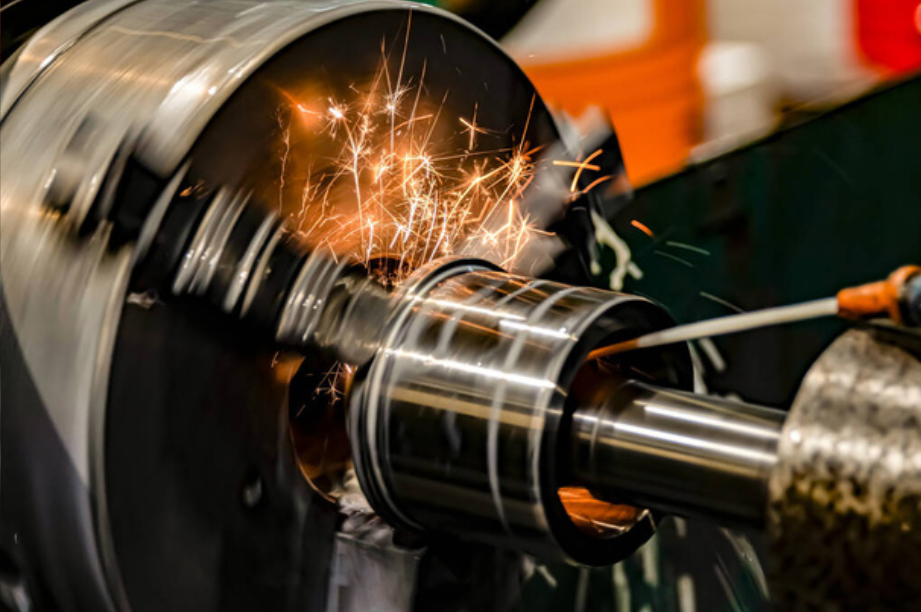
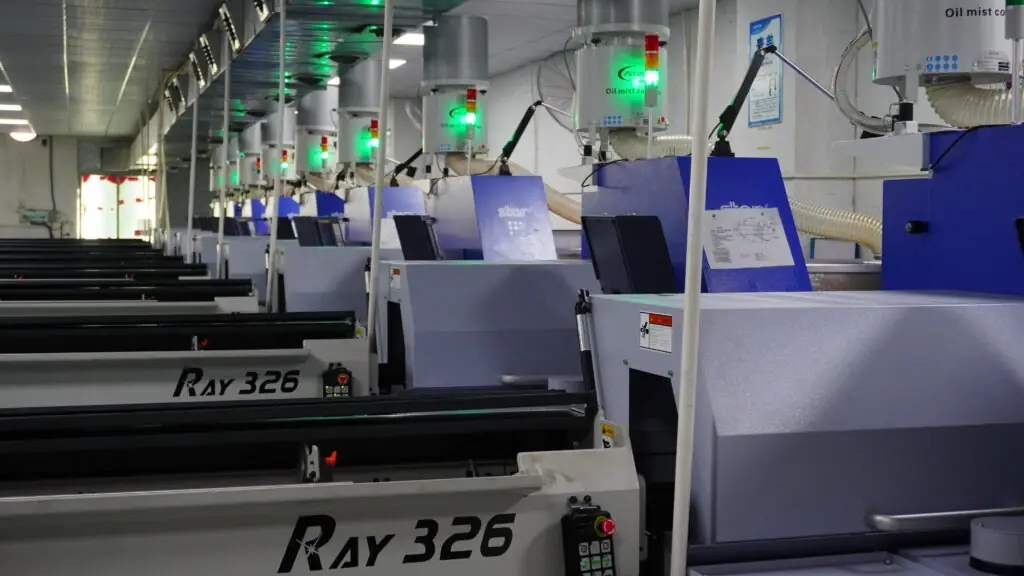
 swiss cnc machine services Unique Features

 Ease Of Construction from TOP Prototype

Ease Of Construction From Top Prototype

  • Ease of Construction: Swiss CNC machines streamline the manufacturing process, reducing assembly complexity and time.
  • Precision Engineering: Provides high accuracy and intricate detailing, ideal for complex designs.
  • Direct Tempering: Materials can be tempered directly during machining, enhancing durability and performance.
  • Rapid Prototyping: Enables quick iterations, allowing for faster design validation and product development.
  • Cost-Effective: Reduces waste and lowers production costs with efficient material usage.
  • Versatile Applications: Suitable for various industries, including automotive, aerospace, and medical.


Scroll to Top

Contact Us

Upload Your Files to Get Instant Quote and DFM Feedback
(Please attach 2D CAD drawings and 3D CAD models in any format including STEP,STP, IGES, DWG, PDF, STL, PDF, JPG , ZIP, RAR, etc