Step into the World of TOP Prototype CNC Machined Delights: A Visual Feast
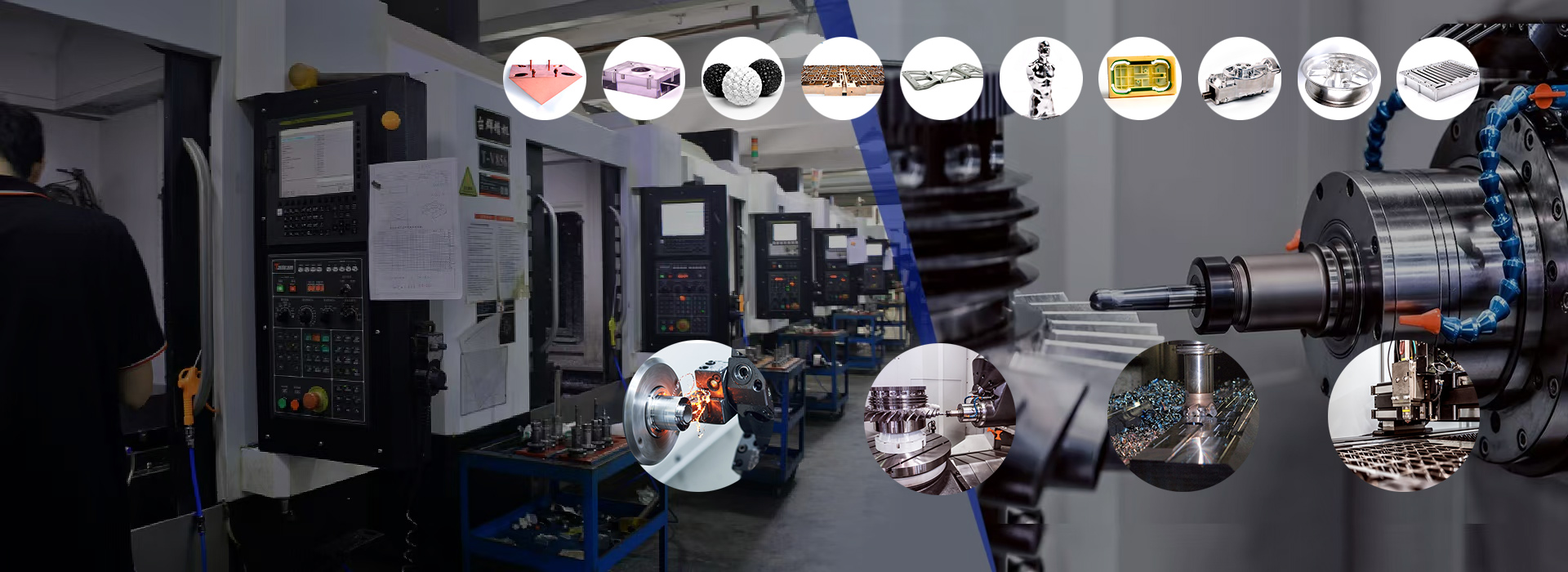
CNC machining has emerged as a revolutionary force, creating a world of precision-engineered wonders that tantalize the eyes and captivate the imagination.
TOP Prototype, a renowned name in the industry, has been a key player in this exciting landscape. TOP Prototype’s expertise in CNC machining is truly remarkable. Their advanced techniques and state-of-the-art equipment have enabled them to craft products that are a perfect blend of technology and artistry. Each creation is a testament to their commitment to quality and innovation.
The precision achieved by TOP Prototype in CNC machining is outstanding. Their machines operate with utmost accuracy, whether it’s cutting, milling, or drilling.
This level of precision not only ensures the functionality of the products but also enhances their visual allure. The smooth surfaces and clean lines of the components are a result of the meticulous CNC processes.
The materials used by TOP Prototype also contribute to the visual feast. Working with various materials like aluminum, steel, and titanium, they employ innovative methods to give them a stunning appearance.
For instance, the anodizing of aluminum components gives a beautiful finish.
TOP Prototype’s ability to handle these materials precisely using CNC machining results in products that are both functional and aesthetically pleasing.
In conclusion, TOP Prototype has made a significant impact in the world of CNC machining, presenting a visual feast with their exceptional products.
Their dedication to excellence continues to drive the industry forward, captivating the eyes and imaginations of all who encounter their creations.
The Genesis of Precision: CNC Machining Technology
CNC, which stands for Computer Numerical Control, has transformed the manufacturing landscape. It is a technology that empowers machines to execute complex operations with utmost accuracy and repeatability.
The process begins with a detailed digital design, created using sophisticated software. This design serves as the blueprint that guides the CNC machine in its every move.
Whether it’s cutting, milling, drilling, or shaping, the machine follows the programmed instructions with microscopic precision, ensuring that each component is crafted to perfection.
The beauty of CNC machining lies in its ability to produce intricate geometries and tight tolerances that were once considered impossible to achieve with traditional manufacturing methods.
It has opened up new possibilities in various industries, from aerospace and automotive to medical and electronics. For example, in the aerospace sector, CNC machined parts are crucial for ensuring the safety and performance of aircraft.
The precise manufacturing of turbine blades, engine components, and structural parts is essential for the efficient operation of these complex machines.
In the medical field, CNC machining is used to create implants and surgical instruments with the highest level of accuracy, ensuring compatibility with the human body and optimal functionality.
The Aesthetic Appeal of CNC Machined Products
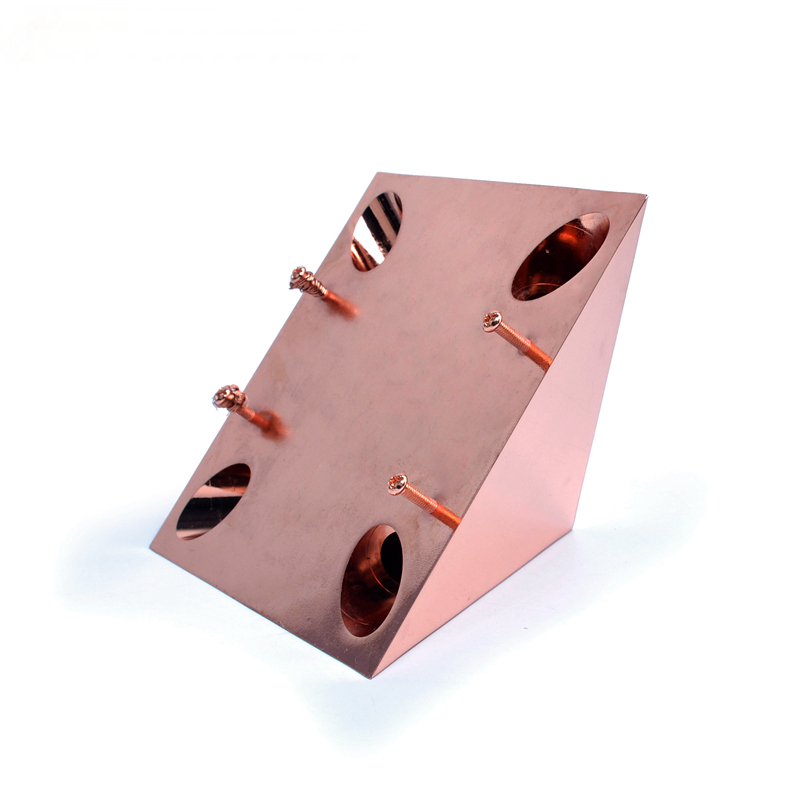
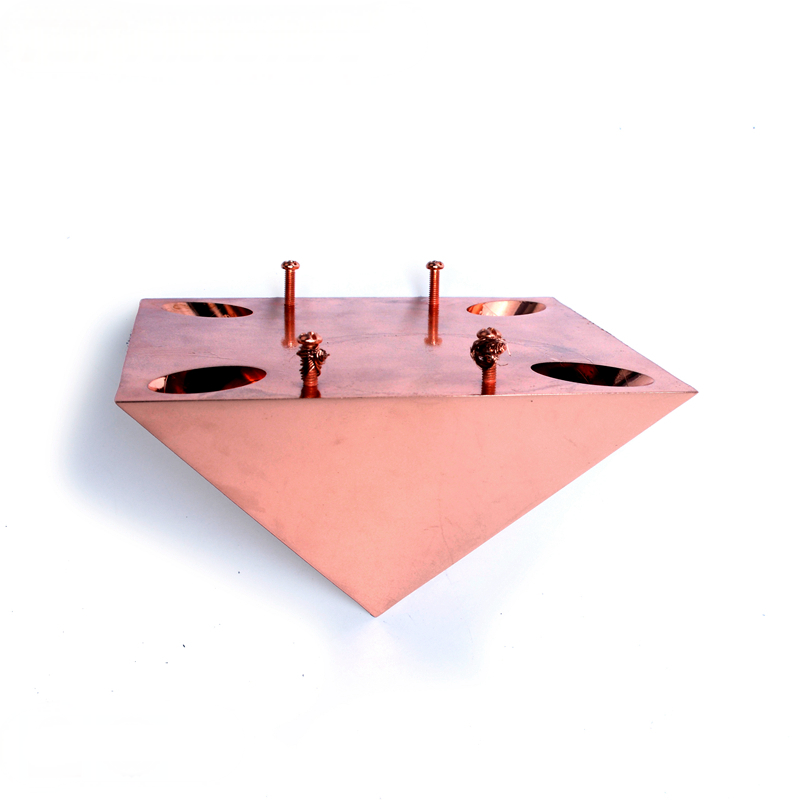
One cannot help but be mesmerized by the visual allure of CNC machined products. The smooth surfaces, clean lines, and flawless finishes are a sight to behold.
The materials used in CNC machining, such as aluminum, steel, titanium, and various alloys, add to the charm. These materials can be polished, anodized, or coated to enhance their appearance and durability. Take a look at a CNC machined aluminum enclosure for an electronic device. The sleek and minimalist design is not only aesthetically pleasing but also functional.
The precise cuts and bends give it a seamless look, while the anodized finish provides a protective layer and a rich, lustrous color. The attention to detail is evident in every corner and edge, with no rough spots or imperfections. In the world of automotive, CNC machined components such as wheels, engine parts, and interior trim pieces add a touch of luxury and sophistication.
The intricate designs and patterns that can be achieved with CNC machining make these parts stand out. A set of CNC machined alloy wheels, with their precisely machined spokes and smooth surfaces, can transform the look of a vehicle, giving it a sporty and elegant appearance.
The Diversity of CNC Machined Creations
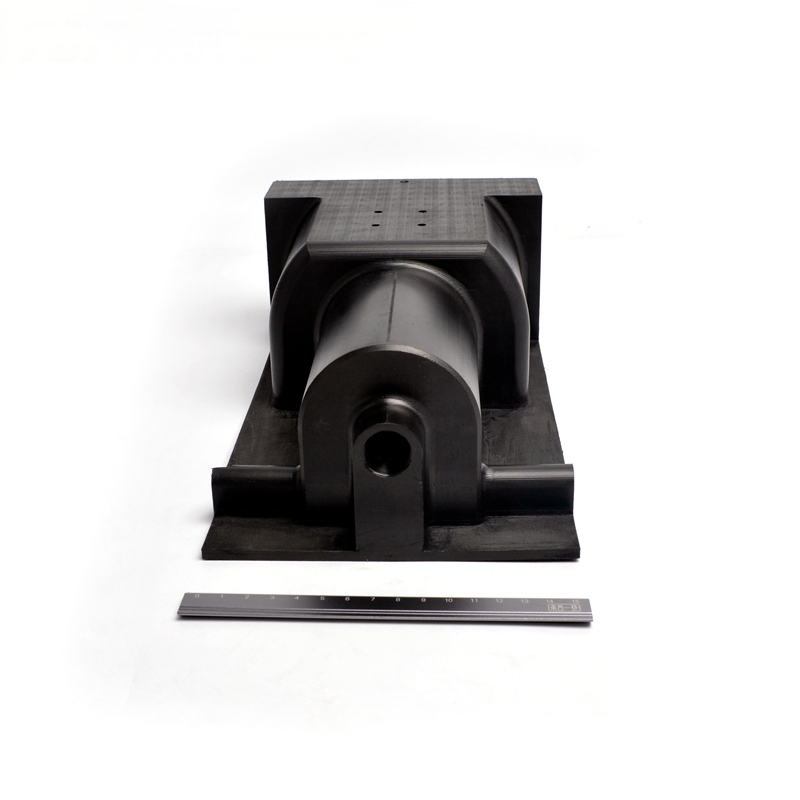
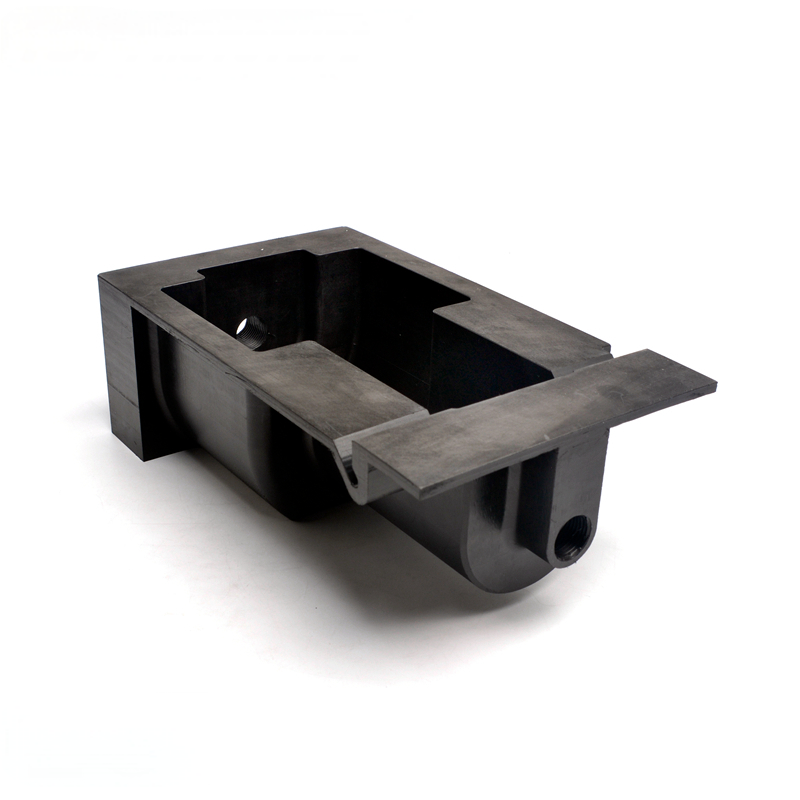
The range of products that can be produced through CNC machining is truly astounding. From small, delicate jewelry pieces to large, heavy machinery parts, the versatility of this technology knows no bounds.
Jewelry designers have embraced CNC machining to create unique and intricate designs. With the ability to carve detailed patterns and shapes into precious metals and gemstones, they can bring their creative visions to life. A CNC machined diamond-encrusted pendant, with its delicate filigree work and precise stone settings, is a work of art that combines elegance and craftsmanship.
On the other end of the spectrum, in the industrial machinery sector, CNC machined parts are the backbone of complex systems. For example, the gears and shafts used in manufacturing equipment must be precisely machined to ensure smooth operation and minimal wear and tear. These parts often have complex geometries and tight tolerances, and only CNC machining can deliver the required level of accuracy.
The Artistry in CNC Programming and Operation
Behind every stunning CNC machined product lies the artistry of programming and operation.
Skilled technicians and engineers spend hours fine-tuning the CNC programs, adjusting parameters such as cutting speeds, feed rates, and tool paths to achieve the best results. They need to have a deep understanding of the materials being worked with and the capabilities of the CNC machine to optimize the manufacturing process.
The process of creating a CNC program is like composing a symphony. Each line of code represents a note, and together they create a harmonious flow that guides the machine to produce a masterpiece. The operator must also be vigilant during the machining process, monitoring for any signs of irregularities or errors and making real-time adjustments as needed. Moreover, the ability to combine different machining operations and techniques adds another layer of creativity to the process.
For instance, using a combination of milling and turning can create complex three-dimensional shapes that are both functional and aesthetically appealing.
The artistry lies in knowing when and how to use these techniques to achieve the desired effect.
The Future of CNC Machining and Its Visual Impact
As technology continues to advance, the future of CNC machining looks even more promising. With the development of more advanced software, faster and more precise machines, and new materials, the possibilities for creating even more stunning and innovative products are endless.
We can expect to see more complex geometries, lighter and stronger materials, and enhanced surface finishes in the future. Additive manufacturing techniques combined with CNC machining are also on the rise, allowing for the creation of hybrid parts with unique properties.
This will not only expand the design space but also further enhance the visual and functional aspects of CNC machined products. In conclusion, stepping into the world of CNC machined delights brought to you by TOP Prototype is like entering a gallery of technological masterpieces.
From the precision of the manufacturing process to the aesthetic appeal of the final products, it is a world that continues to amaze and inspire. Whether you are an engineer, a designer, or simply someone who appreciates the beauty of well-crafted objects, the visual feast offered by TOP Prototype’s CNC machining is sure to leave you in awe.
So, the next time you come across a CNC machined product by TOP Prototype, take a moment to appreciate the artistry and technology that went into its creation, and let yourself be transported into this fascinating world of precision and beauty.