
Rapid Prototyping For Automotive Industry | Successful China Supplier 2024
Rapid prototyping for automotive industry – free sample from top prototype | chinese supplier. top prototype, offering quality rapid prototyping for automotive industry with plenty yrs experience. the best rapid prototyping for automotive industry!
Top Prototype: Our Category Awaits You
Rapid prototyping for automotive industry – free sample from top prototype | chinese supplier. top prototype, offering quality rapid prototyping for automotive industry with plenty yrs experience. the best rapid prototyping for automotive industry!
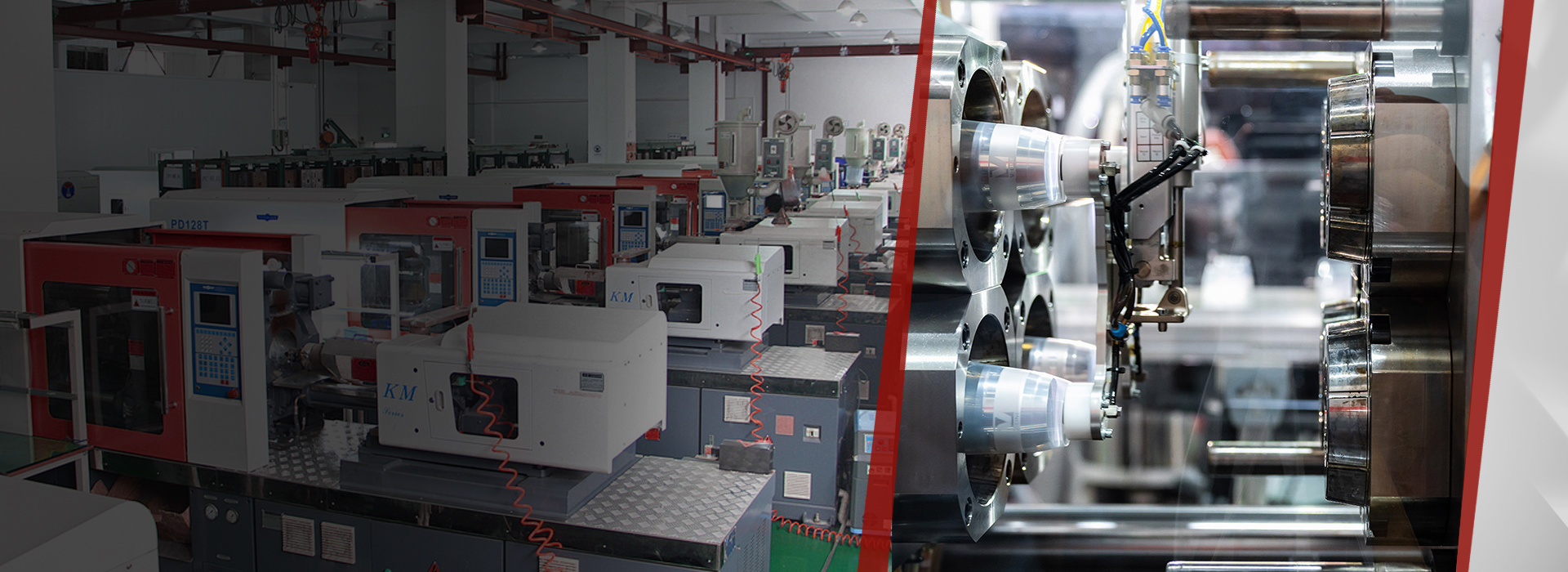

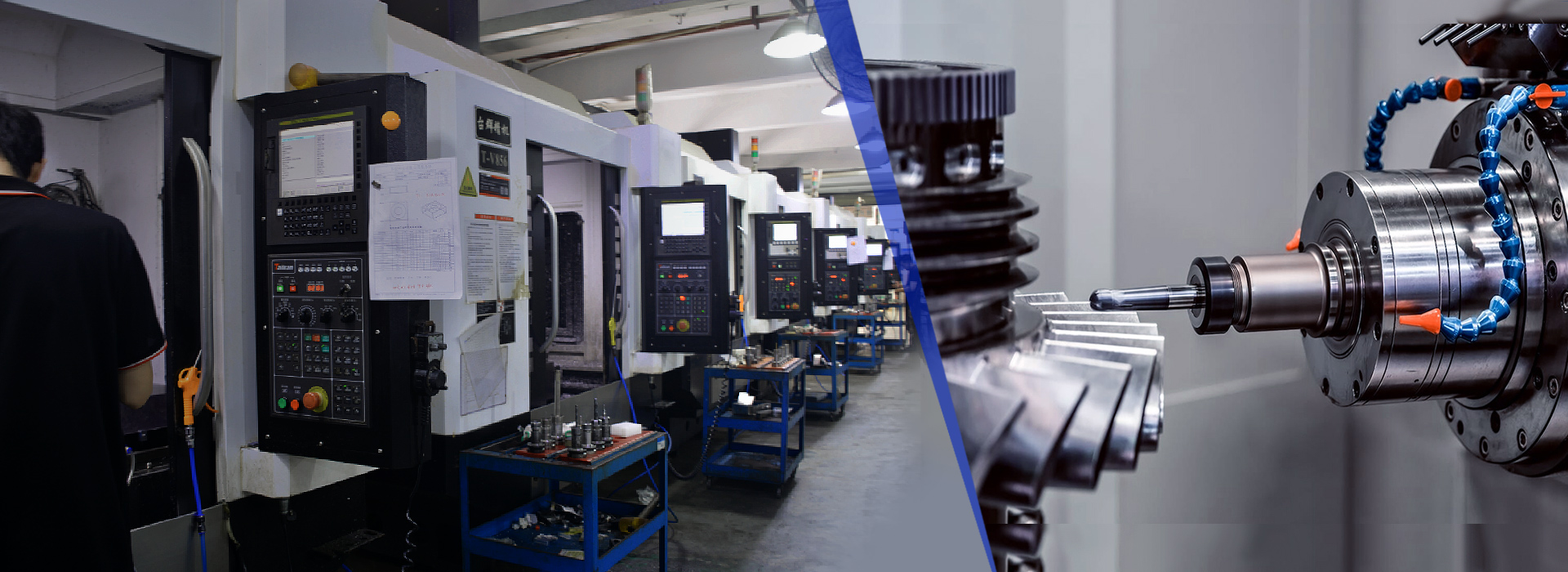
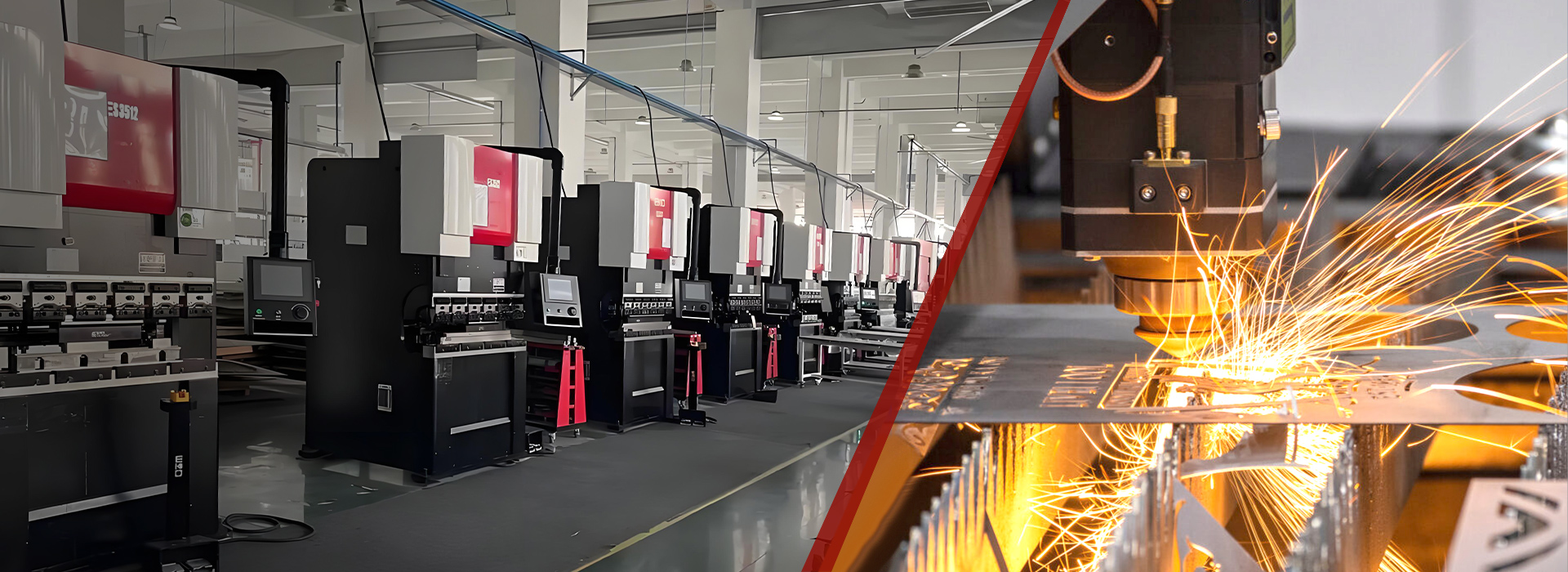
Rapid Prototyping For Automotive Industry – Invest In Quality With Top Prototype!
Invest in quality Innovative rapid prototyping for automotive industry from TOP Prototype. Consider TOP Prototype & rapid prototyping for automotive industry. We are your reliable source for rapid prototyping for automotive industry.



Customer Insights On Rapid Prototyping For Automotive Industry: Read Their Reviews Now!
We’re a trusted source for outstanding rapid prototyping for automotive industry for customers worldwide.
Interested In Discovering More About Rapid Prototyping For Automotive Industry?
We craft our top-quality with excellence, ensuring durability and minimal upkeep. Visit our website to learn more.
More Responsive Quotes
We will give you feedback within 1 hour to ensure that you receive professional processing suggestions, lower processing costs and a faster delivery time.
60 +
60 + Countries Countries shipped
15 +
15 + Years in Business
What is rapid prototyping in the automotive industry?
Rapid prototyping in the automotive industry refers to the process of quickly creating physical models or parts of vehicle components using techniques such as 3D printing, CNC machining, or injection molding. This allows manufacturers to test designs and make adjustments efficiently before mass production.
How does rapid prototyping benefit automotive design?
Rapid prototyping benefits automotive design by significantly reducing the time and cost associated with developing new products. It allows designers and engineers to explore multiple concepts quickly, gather feedback, and iterate on designs, leading to improved performance and innovation.
What technologies are commonly used in rapid prototyping for automotive applications?
Common technologies used in rapid prototyping for automotive applications include 3D printing (such as FDM, SLA, and SLS), CNC machining, and laser sintering. These technologies enable the creation of complex geometries and high-precision components that meet automotive standards.
Can rapid prototyping help reduce the time to market for new automotive models?
Yes, rapid prototyping can significantly reduce the time to market for new automotive models by enabling faster design iterations, quicker validation of prototypes, and streamlined testing processes, allowing manufacturers to bring their products to consumers more rapidly.
Top Prototype Offers More Than Rapid Prototyping For Automotive Industry.
Discover how TOP Prototype’s commitment to excellence enriches the landscape of rapid prototyping for automotive industry for all enthusiasts.
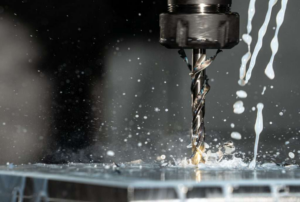
TOP Prototype CNC Drilling: Precision and Efficiency in Modern Manufacturing
TOP Prototype CNC Drilling: Precision and Efficiency in Modern Manufacturing In the realm of modern manufacturing, Computer Numerical Control (CNC) drilling has emerged as a crucial process that combines precision, speed, and versatility. This advanced machining technique plays a vital role in various industries, from aerospace and automotive to electronics and medical devices. In
CNC Machining of Engineering Plastics by TOP Prototype
CNC Machining of Engineering Plastics by TOP Prototype TOP Prototype is a leading company in the field of precision manufacturing, and we specialize in the CNC machining of various engineering plastics. Our expertise and advanced equipment allow us to deliver high-quality plastic components with exceptional accuracy and efficiency. Let’s explore some common engineering plastics and
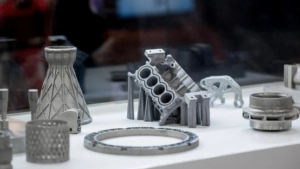
Case study :TOP Prototype and Tesla’s extraordinary wheel kit
Case study :TOP Prototype and Tesla’s extraordinary wheel kit Wondering about CNC machining and why it’s so important in manufacturing? You’re not alone. Computer numerical control (CNC) machining is a key role in modern manufacturing, utilizing advanced technology to cut, shape and manufacture precision parts. This article details the working principle of CNC machine tools
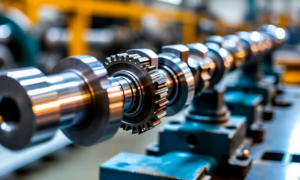
Precision Redefined: CNC Machining for Automotive Camshafts by TOP Prototype
Precision Redefined: CNC Machining for Automotive Camshafts by TOP Prototype Every high-performance automotive engine has a core component: the camshaft. It acts as the “brain” of the valve train. It controls the timing and lift of engine valves. This directly impacts combustion efficiency, torque output, and overall engine performance. Advanced automotive engineering relies heavily on CNC (Computer Numerical Control) machining. CNC machining delivers unmatched
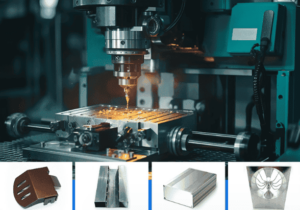
CNC Machining of Aluminum: Properties and Applications by TOP Prototype
CNC Machining of Aluminum: Properties and Applications by TOP Prototype Aluminum, with its unique combination of physical and mechanical properties, has become a preferred material in CNC machining across various industries. As a professional prototype and custom part manufacturer, TOP Prototype leverages the advantages of aluminum in CNC machining to deliver high-precision, high-quality components for
Analysis of Causes and Solutions of Surface Roughness Issues in CNC Machining
Analysis of Causes and Solutions of Surface Roughness Issues in CNC Machining In CNC machining, surface roughness is critical—it directly impacts the quality and functionality of machined parts. TOP Prototype, a leading ISO9001-certified rapid prototyping manufacturer in China with over 15 years of experience, knows that optimal surface finishes are non-negotiable. Surface roughness affects not
More About Rapid Prototyping For Automotive Industry & Top Prototype
TOP Prototype has already had a lot of top factories and qualified technology teams in China, offering the best rapid prototyping for automotive industry and services to worldwide customers. Over the past few years, our factory absorbed and digested integrated advanced technologies, exceeding the industry standard. Our aim is to help customers realize their goals, we innovate with integrity, putting you first is our mission. Our advanced production facilities ensure high-qualiy products, we accept and consider all orders with unique specifications, we ensure that every product meets the criteria for professional certification. We are eager to cooperate with foreign companies which care much on the high quality, competitive prices, organizational reputation. We supply our rapid prototyping for automotive industry worldwide, with markets including Southeast Asia, West Africa, Mexico, Western Europe, etc. We welcome you to establish business relation with us. We welcome customers all over the world to contact us or visit our company. We are looking forward to cooperating with you and providing our best services for you, as well as our rapid prototyping for automotive industry, Aerospace Manufacturing,SWISS LATHE PROCESSING.
Other Categories From Top Prototype
Why Choose Top Prototype Rapid Prototyping For Automotive Industry ?
Rapid prototyping has emerged as a transformative force in the automotive industry, offering manufacturers the ability to accelerate the design and production process while minimizing costs and risks. In an era characterized by fierce competition and the demand for innovative vehicles, companies must respond quickly to shifting consumer preferences and technological advancements. However, the journey into rapid prototyping is often fraught with challenges, including integration with existing systems, ensuring quality and safety standards, and managing the temperamental nature of fast-paced development cycles. As automakers strive to deliver cutting-edge designs, rapid prototyping serves as both a catalyst for creativity and a battleground for overcoming the inherent turbulence of the industry. By leveraging advanced technologies such as 3D printing and computer-aided design, automotive professionals can iterate rapidly, ensuring that each prototype is more refined than the last, ultimately leading to more successful, market-ready vehicles.
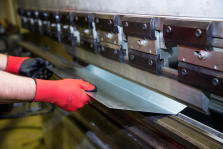
Unique Features Of Rapid Prototyping For Automotive Industry
Rapid prototyping in the automotive industry is a transformative approach that accelerates the design and development processes through innovative techniques such as additive manufacturing, CNC machining, and advanced materials. Unique features include enhanced design flexibility, allowing for intricate geometries that traditional methods struggle to achieve, and the capability for rapid iteration, which significantly shortens the feedback loop between concept and realization. This methodology not only facilitates the visualization of complex components but also supports functional testing, enabling engineers to refine performance characteristics and optimize manufacturability. By leveraging technologies like 3D printing, the automotive sector can swiftly adapt to changing market demands, reduce time-to-market, and minimize costs, ultimately driving innovation in vehicle design and production.
Rapid Prototyping For Automotive Industry Durability
- Durability Testing: Rapid prototyping enables the creation of components that can undergo rigorous durability testing, critical for automotive applications.
- Material Selection: Utilize advanced materials with optimized temper properties to enhance the strength-to-weight ratio in prototype designs.
- Iterative Design: Quick iterations allow for real-time adjustments, ensuring prototypes meet the demanding durability standards of the automotive sector.
- Cost-Effectiveness: Reduced manufacturing costs and time expedite the development of durable components without compromising quality.
- Enhanced Performance: Prototyping aids in fine-tuning designs for thermal and mechanical resistance, crucial for automotive performance under extreme conditions.

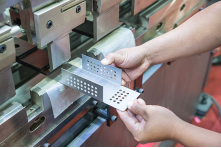
Reliability From Top Prototype
- Definition: Rapid prototyping is the process of quickly fabricating a physical model of a part or assembly using 3D computer-aided design (CAD) data.
- Speed: Accelerates the design cycle by allowing for quick iterations and modifications, reducing time-to-market for automotive components.
- Cost Efficiency: Minimizes expenses associated with traditional manufacturing methods by enabling low-cost production of prototypes.
- Reliability Testing: Facilitates early-stage testing of prototypes to identify potential issues and enhance product reliability prior to mass production.
- Material Innovation: Supports the exploration of new materials and production techniques, contributing to lightweight and durable automotive parts.
- Collaboration: Enhances communication among design, engineering, and production teams, leading to a more integrated development process.
- Customer Feedback: Allows for user testing and feedback integration early in the design phase, improving final product quality and user satisfaction.
7 thoughts on “Rapid Prototyping For Automotive Industry”
This is my second experience with this custom product, and I have to say the quality is impressive! The color and thickness are just what we were looking for.
The rapid prototyping solutions from other brands I’ve tried just don’t measure up to this one. In short, I definitely recommend giving it a shot—it’s got a solid price-to-performance ratio!
We were really impressed by your team’s professionalism and their knack for tackling challenges while meeting our needs as best as they could, especially in the realm of rapid prototyping for the automotive industry.
It took a while to assess, but overall it’s pretty good and definitely worth recommending. Just keep in mind that the price is still on the higher side for rapid prototyping in the automotive industry.
I’m really happy with this supplier’s customer service attitude; they’ve been fantastic! Their rapid prototyping for the automotive industry is top-notch.
This supplier offers us a range of customizable options for rapid prototyping in the automotive industry, all at a great price!
The company skillfully blends market trends to deliver high-performing, affordable rapid prototyping solutions for the automotive industry. We’re really happy with the products we received!
Comments are closed.