
Electronics Swiss Machining – 50% More Profit
High-quality electronics swiss machining from top prototype | oem & odm | low moq. top prototype provides trustworthy electronics swiss machining ,& owns a long experience, providing top electronics swiss machining.
Discover The Top Prototype Category
High-quality electronics swiss machining from top prototype | oem & odm | low moq. top prototype provides trustworthy electronics swiss machining ,& owns a long experience, providing top electronics swiss machining.
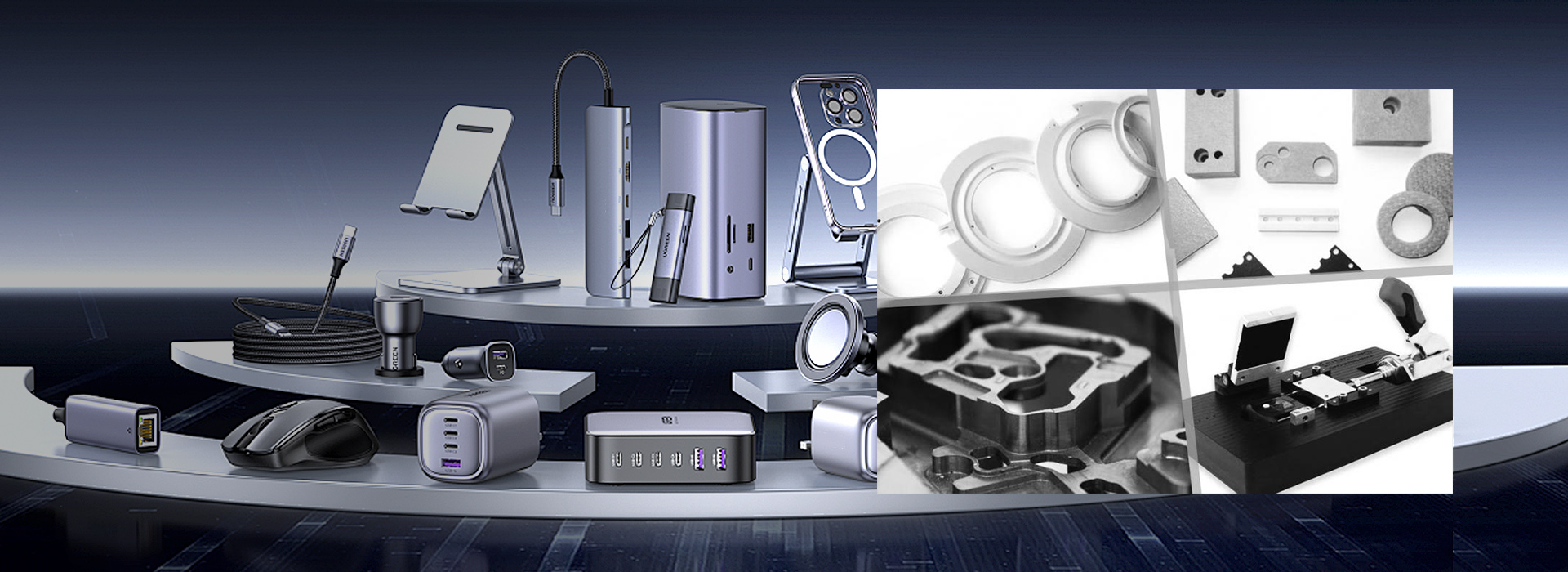
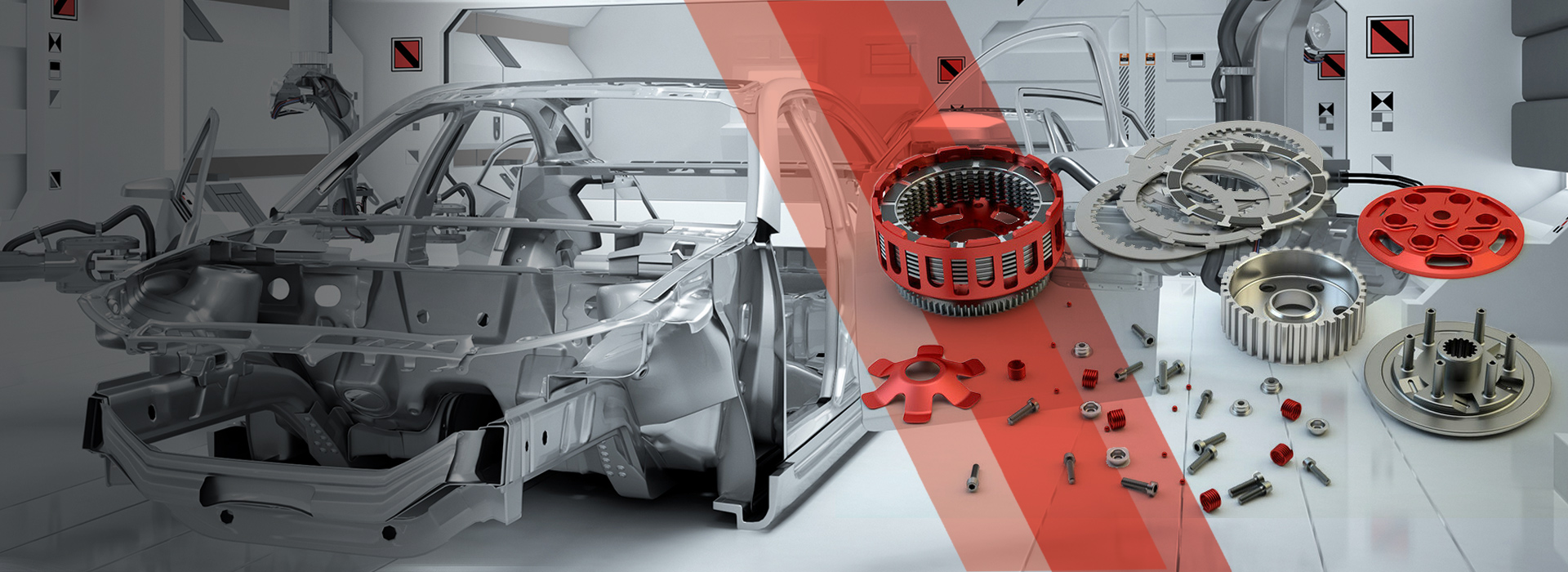

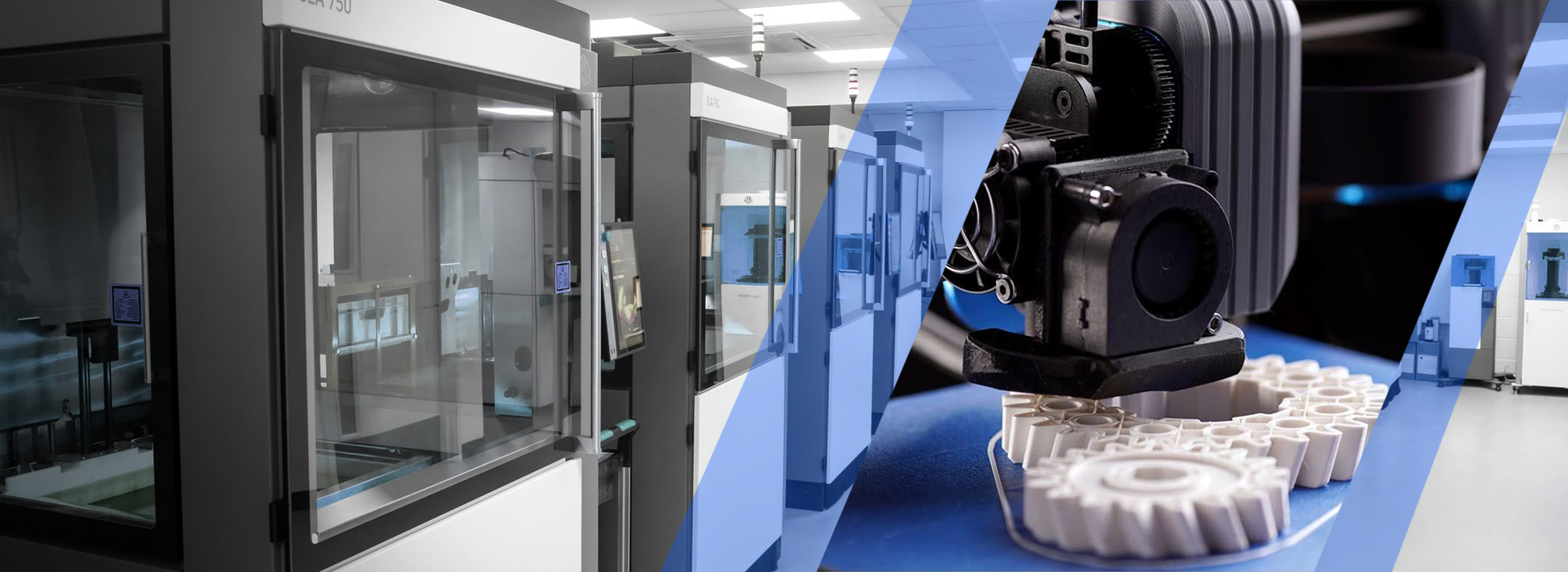

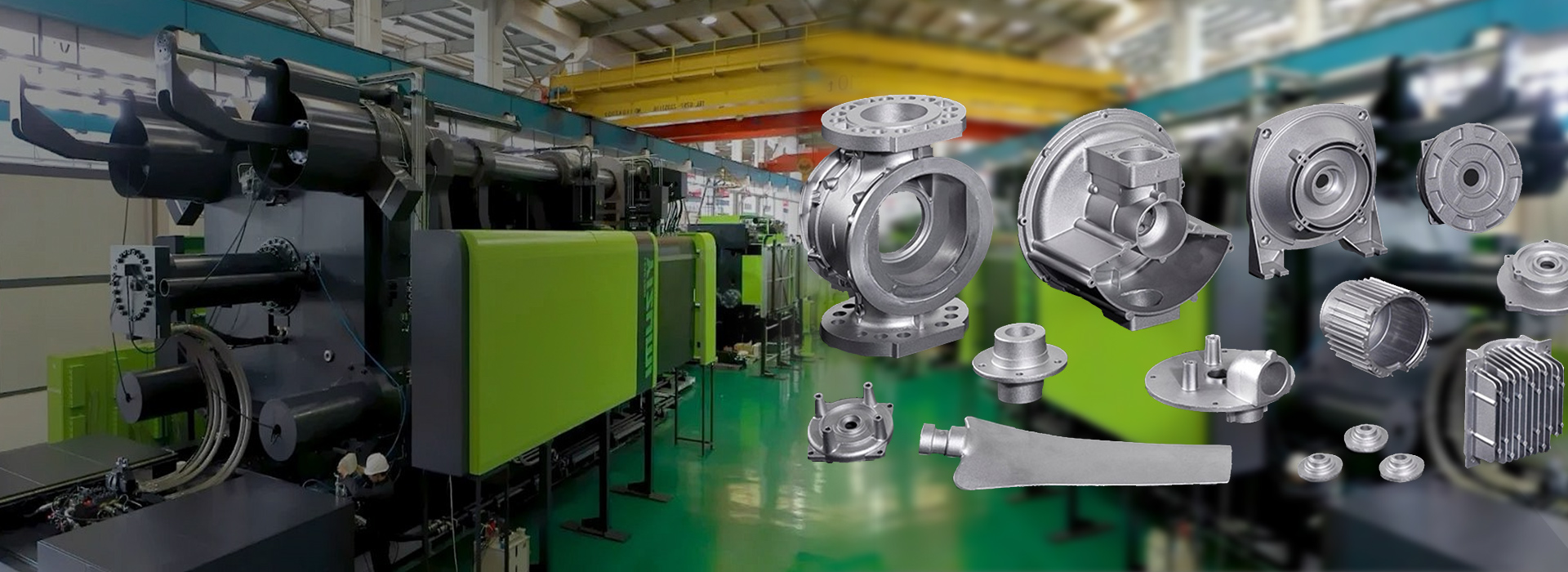
Electronics Swiss Machining – Elevate Your Business With Quality!
Choose from a wide range of Exceptional electronics swiss machining at TOP Prototype. Trust electronics swiss machining for high-quality TOP Prototype. We have the best electronics swiss machining.
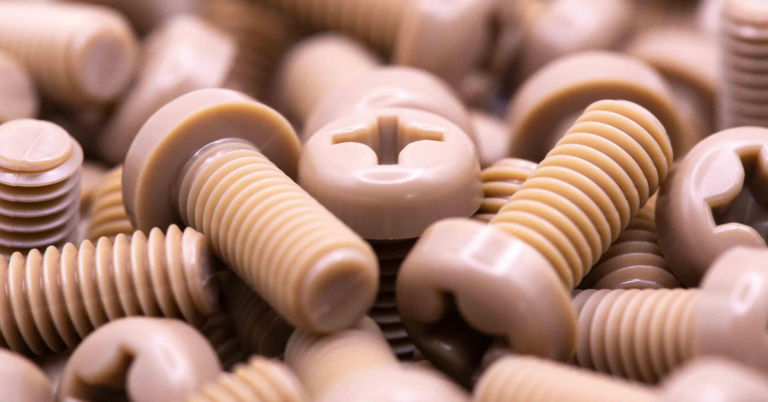
PE(polyethylene)
Excellent strength-to-weight ratio, impact resistance and weather resistance.
Read What Customers Are Saying About Electronics Swiss Machining!
Our unparralleled electronics swiss machining have found their way to customers across the planet.
Want To Know More About Electronics Swiss Machining And How It Can Benefit You?
Our production value-packed stand out for their high quality, resilience, and user-friendly maintenance. Learn more by visiting our website.
24/7 Engineering Support
24/7 Engineering Support
TOP Prototype has a team of experienced engineers to provide auxiliary advice for your project, helping you optimize your design, save costs, and achieve better and more consistent quality standards through standardization.
400,000 +
Uniquely designed parts produced 400,000 +
15 +
15 + Years in Business
What is Swiss machining in the context of electronics?
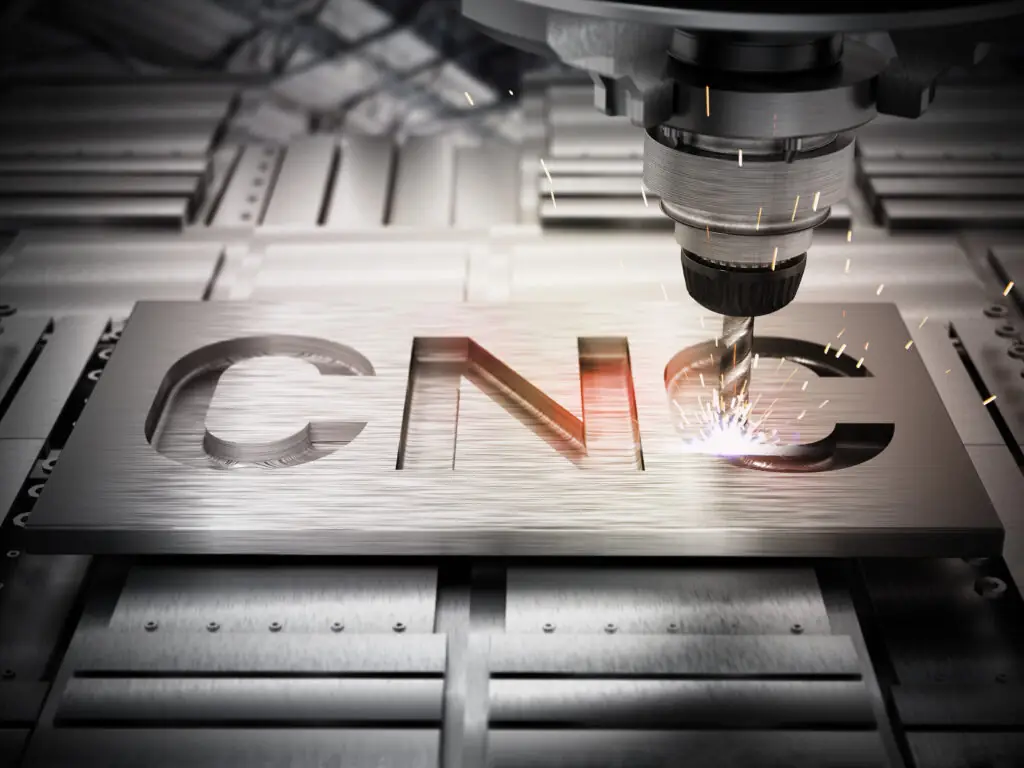
Swiss machining is a precision manufacturing process that uses a CNC (Computer Numerical Control) lathe to produce intricate parts with tight tolerances, often used in the electronics industry for components like connectors, housings, and circuit boards.
What are the advantages of using Swiss machining for electronic components?
The advantages of Swiss machining include high precision, the ability to produce complex geometries, reduced waste, and the capability to work with a variety of materials, making it ideal for high-volume production of electronic parts.
What types of materials are commonly used in Swiss machining for electronics?
Common materials used in Swiss machining for electronics include metals like aluminum, brass, stainless steel, and copper, as well as plastics and other materials suitable for electronic applications.
How does Swiss machining improve the production efficiency of electronic components?
Swiss machining improves production efficiency by allowing for the simultaneous machining of multiple features, reducing cycle times, and minimizing the need for secondary operations, which streamlines the manufacturing process for electronic components.
Curious About Electronics Swiss Machining? Check What Top Prototype Has To Offer!
TOP Prototype is at the forefront of innovation, providing insights into electronics swiss machining to help you stay informed.

TOP Prototype 2023 Chinese New Year holiday Notice
Notice on the 2024 Spring Festival holiday Greetings, As December approaches, Christmas cheer is in the air! Greetings, As December approaches, Christmas cheer is in the air! All of us at TOP Prototype are excited to send you our warmest holiday wishes. Looking ahead, the New Year and Chinese New Year are just around the
CNC Machining for Automotive Camshafts by TOP Prototype
Precision Redefined: CNC Machining for Automotive Camshafts by TOP Prototype Every high- performance automotive engine has a core component: the camshaft. It acts as the “brain” of the valve train. It controls the timing and lift of engine valves. This directly impacts combustion efficiency, torque output, and overall engine performance. Advanced automotive engineering relies heavily on CNC (Computer Numerical Control) machining. CNC machining delivers
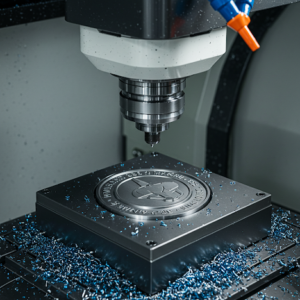
Everything You Need to Know about Multi-Axis Machining
CNC machining has come a long way over the years, from basic 2D cutting to advanced multi-axis machining that handles complex shapes with high precision and speed. As product designs get more advanced, multi-axis machining plays a key role in meeting modern manufacturing needs. That said, in this blog, we’ll explain the basics, main components,
Analysis of Causes and Solutions of Surface Roughness Issues in CNC Machining
Analysis of Causes and Solutions of Surface Roughness Issues in CNC Machining In CNC machining, surface roughness is critical—it directly impacts the quality and functionality of machined parts. TOP Prototype, a leading ISO9001-certified rapid prototyping manufacturer in China with over 15 years of experience, knows that optimal surface finishes are non-negotiable. Surface roughness affects not
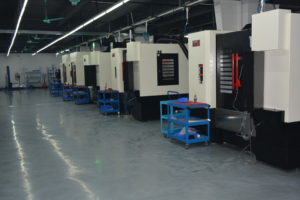
Step into the World of TOP Prototype CNC Machined Delights: A Visual Feast
Step into the World of TOP Prototype CNC Machined Delights: A Visual Feast CNC machining has emerged as a revolutionary force, creating a world of precision-engineered wonders that tantalize the eyes and captivate the imagination. TOP Prototype, a renowned name in the industry, has been a key player in this exciting landscape. TOP Prototype’s
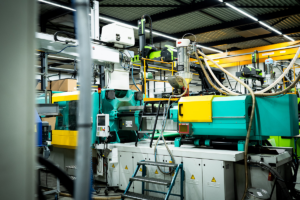
Key Advantages Propelling the Popularity of Injection Molding
Key Advantages Propelling the Popularity of Injection Molding Exceptional Precision and Dimensional Accuracy Injection molding, as practiced by TOP Prototype, offers an outstanding level of precision that is crucial in many industries. The molds used in the process are fabricated with utmost care and accuracy, often with tolerances in the micrometer range. This
More About Electronics Swiss Machining & Top Prototype
We are eager to cooperate with foreign companies which care much on the high quality solutions, budget-friendly prices, organizational reputation. Our electronics swiss machining will supply to many countries and areas, including Southeast Asia, West Africa, United States, Australia, etc. As a reliable and professional company, TOP Prototype partners with skilled tech teams and offers the best solutions as well as electronics swiss machining to global customers. Good quality would be the key factor to the company to stand out from other competitors, we champion innovation and integrity, we adhering to the business philosophy of ‘customer first. We are looking forward to cooperating with you and providing our best services for you, as well as our electronics swiss machining, Aerospace Manufacturing,SWISS LATHE PROCESSING. Give us a chance and we will prove our capability. We warmly welcome you to contact us and please feel free to speak out your needs Our production process upholds the highest standards, we accept and consider all orders with unique specifications, each product has been professionally certified to meet industry standards. Over the last few years, our factory absorbed and digested advanced technologies, defining our professional approach.
Other Categories From Top Prototype
Why Choose Top Prototype Electronics Swiss Machining ?
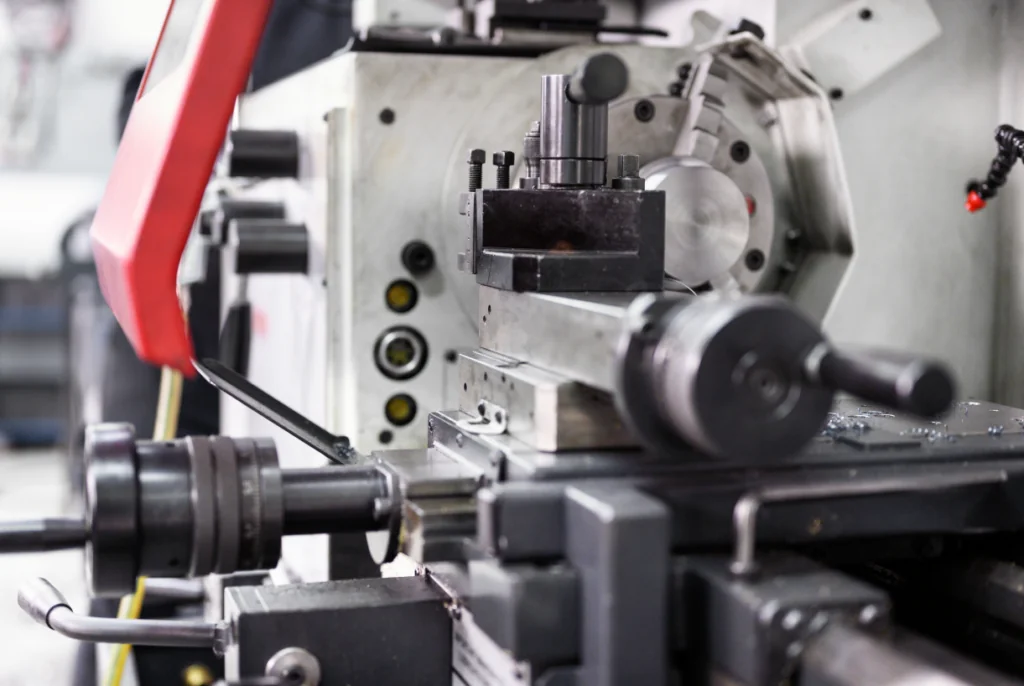
Electronics Swiss machining represents a pinnacle of precision engineering, where advanced manufacturing meets the intricate demands of electronic components. This specialized machining process utilizes Swiss-style lathes to create complex parts with exceptional accuracy and repeatability. Ideal for producing small, intricate components often found in the electronics industry, Swiss machining allows for tight tolerances and high-quality finishes, essential for the performance of modern electronic devices. As we embrace the rapid evolution of technology, the calm and methodical nature of Swiss machining ensures that each component is crafted with the utmost care, providing reliability and efficiency in an ever-demanding market.
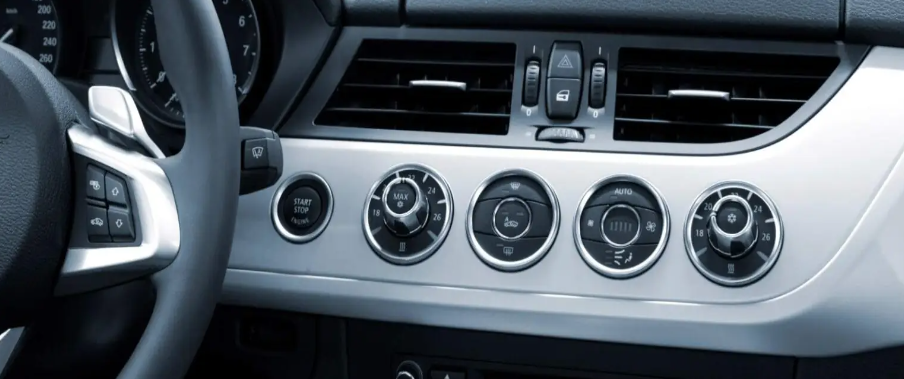
Safety Of Electronics Swiss Machining
In the realm of electronics, Swiss machining has emerged as a pivotal technique, known for its precision and efficiency. This method involves specialized machinery that intricately shapes electronic components with high accuracy, minimizing material waste and enhancing production speed. Safety is paramount in the Swiss machining process, as operators must navigate high-speed machinery and sharp tools. Implementing stringent safety protocols, including protective gear and comprehensive training, ensures a secure working environment. Furthermore, the innovative designs produced through Swiss machining allow for improved functionality in electronic devices, making it a preferred choice in the industry.
Electronics Swiss Machining Environmental Impact
- Precision Engineering: Swiss machining offers high precision in the production of electronic components, minimizing waste and enhancing material efficiency.
- Material Utilization: The process maximizes the use of raw materials, contributing to reduced environmental footprint compared to traditional machining methods.
- Energy Efficiency: Advanced CNC technologies used in Swiss machining require less energy, leading to lower carbon emissions during the manufacturing process.
- Reduced Waste: The high accuracy of Swiss machining reduces the volume of scrap generated, promoting sustainable manufacturing practices.
- Recyclable Materials: The use of recyclable metals in electronic components supports circular economy initiatives, further lessening environmental impact.
- Regulatory Compliance: Swiss machining practices often align with environmental regulations, ensuring that companies adhere to sustainability standards.
Energy Efficiency From Top Prototype
- Precision Manufacturing: Swiss machining offers high precision in the production of electronic components, ensuring minimal waste and optimal energy use.
- Reduced Material Waste: The process utilizes sophisticated techniques that maximize material yield, contributing to lower energy consumption during production.
- High Production Speed: With rapid prototyping capabilities, Swiss machining enables faster turnaround times, leading to increased overall energy efficiency.
- Automation and Control: Advanced automation in Swiss machining enhances process control, reducing energy usage by minimizing human intervention and errors.
- Sustainable Practices: Many Swiss machining operations are increasingly adopting eco-friendly practices, including energy-efficient machinery and recycling initiatives.
8 thoughts on “Electronics Swiss Machining”
Their masters really know what they’re doing, and they put a lot of effort into making those electronics Swiss machining products. Thanks a bunch!
The electronics Swiss machining products we created this time are fantastic, both in terms of quality and customer support!
We really admire your company’s cultural philosophy of ongoing innovation and constant enhancement, especially in the realm of electronics Swiss machining.
This company impressed us with their expertise in the electronics Swiss machining field, extensive experience, and friendly service. We can’t wait for our next collaboration!
This company helps us fulfill customer orders quickly, cost-effectively, and with minimal effort. We’re really thankful for that! Wishing them all the best and continued success in their electronics Swiss machining endeavors!
The electronics Swiss machining products are fantastic, and the sales manager is super friendly. We’ll definitely be back to buy from this company next time!
The company delivers quickly, and the electronics Swiss machining products are nicely packaged with no damage upon arrival. Plus, their customer service is fantastic! We’re really happy with everything.
We’ve been collaborating with you for quite a while now, and we really admire your commitment and the thoroughness you bring to your work in electronics Swiss machining.
Comments are closed.